The Ultimate Insider’s Guide to Burgau, Algarve: Hidden Gems, Culture & Local Life
1. Welcome to Burgau: A Seaside Village Frozen in Time
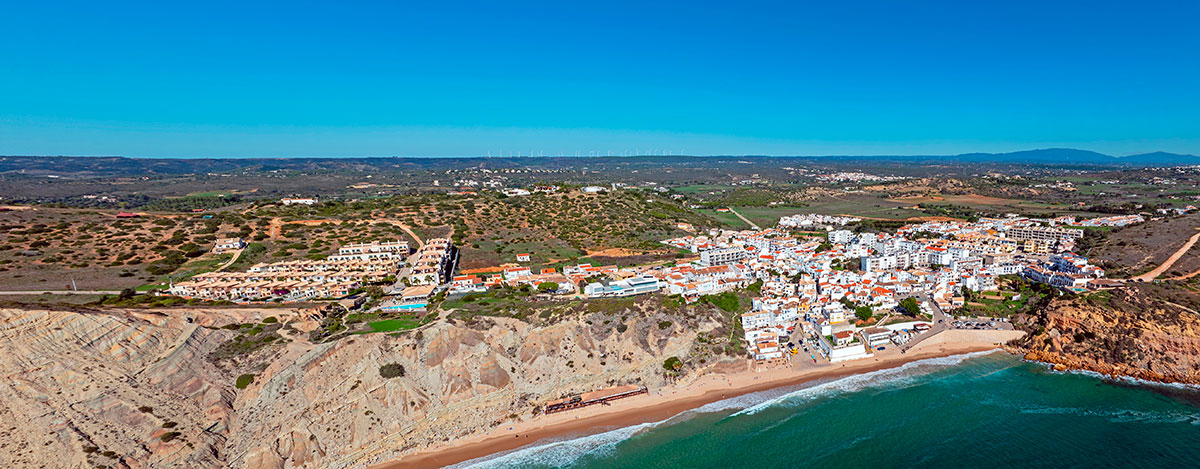 The picturesque village of Burgau, showcasing its whitewashed houses and coastal charm
Step into Burgau and you’ll feel like you’ve entered a postcard—but not just any tourist trap. This tiny fishing village, tucked between towering cliffs and the shimmering Atlantic Ocean, pulses with authenticity. It’s not just about whitewashed houses and cobbled streets (though they’re charming enough). Burgau has a soul, a rhythm that moves slower than the rest of the Algarve. And that's exactly why travelers fall in love with it.
What sets Burgau apart is its community—where everyone knows everyone, and visitors are welcomed like long-lost cousins. This sense of belonging isn’t accidental. It’s a byproduct of centuries of fishing heritage. You’ll see traces of that legacy everywhere: old wooden boats resting on the beach, nets drying in the sun, and elders recounting tales of epic catches. In fact, the village's traditional reliance on the sea still influences its culinary scene and seasonal rhythm.
Here's an insider tip: Burgau has a unique microclimate. Shielded by cliffs, it enjoys warmer and calmer weather than nearby towns, even during shoulder seasons. That makes spring and late autumn perfect for quiet getaways—with the bonus of fewer crowds and lower prices.
And let’s not forget the "honesty box" culture—a quirky but heartwarming tradition. You’ll find tiny unmanned stands selling everything from homemade jam to fresh produce. Just drop your coins in the box. It's trust-based commerce, the way things used to be.
Burgau isn’t just a destination—it’s a feeling. Slow mornings, salty air, and genuine smiles from strangers. If you’re craving a place where life is still simple, where the village breathes history and heart in equal measure, Burgau should be your next stop.
2. Bask in the Beauty of Burgau Beach
Burgau Beach is the kind of place that instantly slows your pulse. Imagine soft golden sand embraced by rugged cliffs, with waves gently lapping the shore. It's smaller and more intimate than the sprawling beaches in Lagos or Portimão, which means less hustle and more connection—with nature, and with yourself.
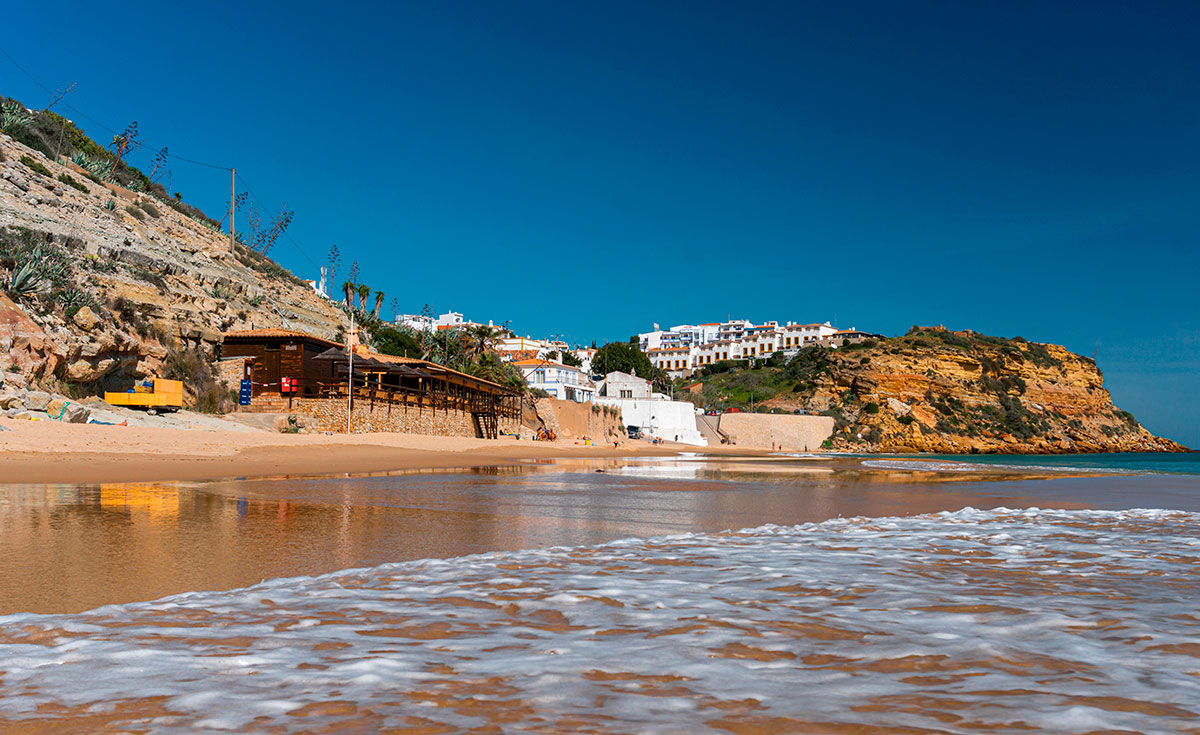 Burgau Beach offers a tranquil escape with its serene waters and scenic backdrop
But this beach isn’t just for sunbathing. Historically, it was the lifeblood of the community. For generations, locals launched their fishing boats from here—timed with tides, guided by stars. That maritime legacy still lingers. You might see a fisherman mending nets or locals gathering shellfish at low tide. These are not staged experiences; they’re daily life.
Want to feel like a local? Arrive early, around 7:30 AM, and walk barefoot along the shore. You’ll likely see villagers taking their morning stroll, greeting each other with a cheerful “Bom dia!” It’s the kind of ritual that makes you feel part of something timeless.
Now, here's a secret: to the west of the beach, there's a hidden cove accessible only at low tide. Locals call it “Praia da Figueira,” a semi-secret spot where you can escape even the modest beachgoer traffic of Burgau. Pack light, bring water, and be mindful of tide times. It’s a short scramble, but the reward is a secluded piece of paradise.
And don’t forget to look up—literally. The cliffs around Burgau are home to peregrine falcons, kestrels, and other birdlife that thrive in the coastal ecosystem. Bring binoculars or a good zoom lens if birdwatching’s your thing.
Burgau Beach is a sanctuary—one where past and present collide under the sun. It’s not just about what you see; it’s about what you feel when the sea breeze hits your face and the world slows down.
3. Savor the Flavors: Where to Eat in Burgau
One of the most delightful ways to connect with Burgau’s soul is through its food. This isn’t the Algarve of fast food and chain restaurants. Burgau is fiercely proud of its culinary roots, and even the smallest taverns serve dishes steeped in tradition.
At the heart of it all is fresh seafood—caught just offshore, sometimes by the same people who now serve it to you. Grilled sardines, octopus salad, and cataplana (a seafood stew cooked in a copper pot) are not just menu items—they're cultural artifacts. Ask any local about their grandmother’s recipe for polvo à lagareiro, and they’ll smile before launching into a detailed explanation involving garlic, olive oil, and family secrets.
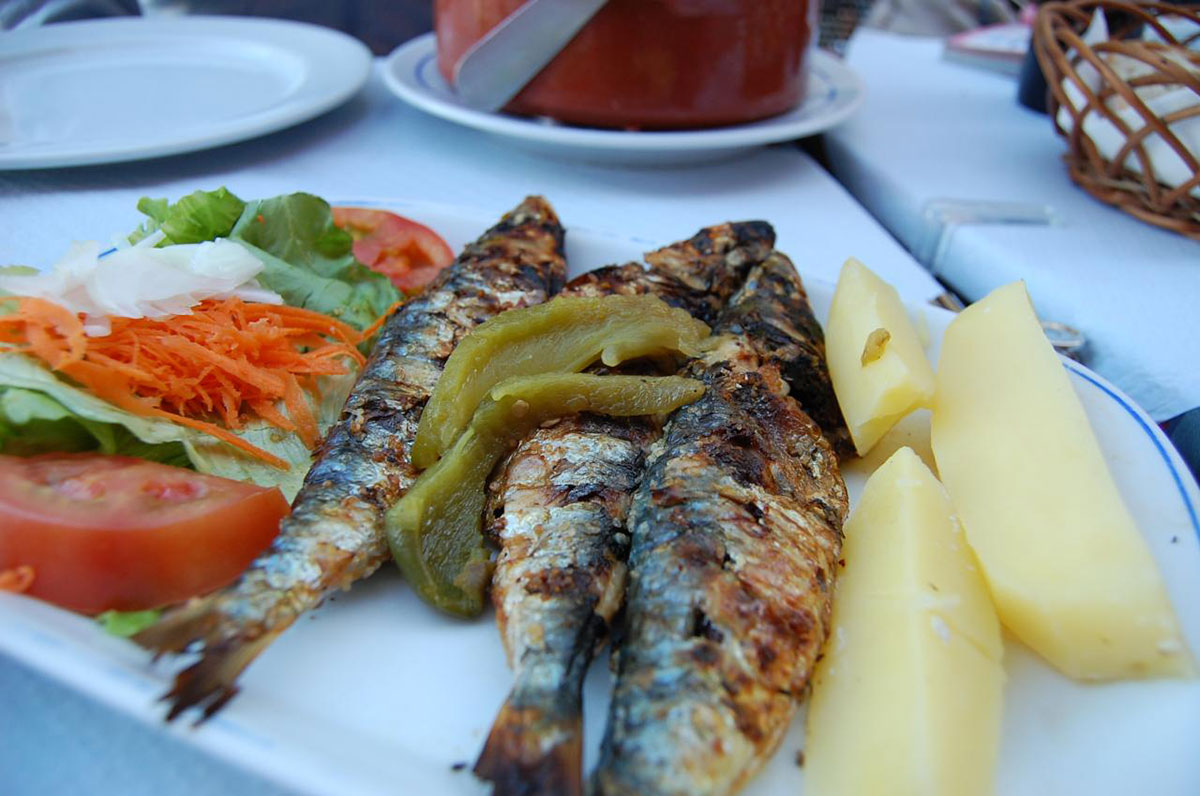 Traditional Algarve cuisine: Grilled sardines are a local favorite
Looking for something special? Head to the family-run “Ancora” restaurant tucked away from the main strip. It’s where locals go for celebration dinners. The fish is often caught that morning, and the wine list highlights regional Portuguese labels you won’t find in supermarkets.
Here’s an insider tip: don’t skip the desserts. From almond cakes to fig-stuffed pastries, they reflect the region’s agricultural richness. Many recipes use locally grown almonds and carob, both central to Algarve cuisine and celebrated in nearby festivals like the Almond Blossom Festival in February—a picturesque event where the region transforms into a sea of pink and white blooms.
Craving something casual? Keep an eye out for the daily food truck near the main square serving bifanas (spicy pork sandwiches) with homemade piri-piri sauce. There’s no sign. Just follow the line of hungry locals around lunchtime.
In Burgau, every meal tells a story—from the sea to your plate, seasoned with heritage. It’s not just dining. It’s a delicious dive into tradition.
4. Discover Burgau’s Unique Culture and Traditions
Burgau is more than its views. What gives it real charm is its intangible heritage—the traditions, superstitions, and values passed quietly from one generation to the next. Spend time here, and you'll begin to notice the subtleties: the way elders gather at the square for afternoon chats, or how every home displays azulejos (Portuguese ceramic tiles) not just as decoration, but as expressions of pride and identity.
One of Burgau’s most fascinating legends is that of the “Burgau Dragon.” It’s a local myth involving a sea creature said to protect the village. While most consider it folklore, elders insist strange shadows have been spotted in the deep waters near the cliffs. The story is shared mostly with children, but it’s symbolic of the respect locals hold for the sea—and a whimsical example of how oral traditions shape identity.
Then there's the rhythm of life. Things happen slower here on purpose. Lunches stretch into siestas. Stores close for long midday breaks. It’s all part of a lifestyle called “desenrascanço”—the Portuguese concept of calmly figuring things out without stress. Visitors often come for a weekend and find themselves drawn into this mellow orbit.
Want to experience local life firsthand? Time your visit around the annual Burgau Festival, usually held in late July. It’s a vibrant mix of live music, traditional dancing, food stalls, and religious processions. The highlight is a blessing of the sea ceremony, where fishermen seek protection for the coming year. It’s moving, authentic, and gives a rare glimpse into Burgau’s spiritual side.
Even outside festivals, Burgau radiates quiet celebration—of heritage, hospitality, and the enduring power of community. It’s the kind of place that leaves a lasting impression, not because of what you did, but how it made you feel.
5. Walk the Clifftop Trails to Breathtaking Views
If you're the type who loves to explore beyond the beach towel, Burgau’s coastal trails will blow your hiking boots off. The Fishermen’s Trail (Trilho dos Pescadores) that runs along the cliffs offers unforgettable views of the ocean, the village, and wild untouched landscapes.
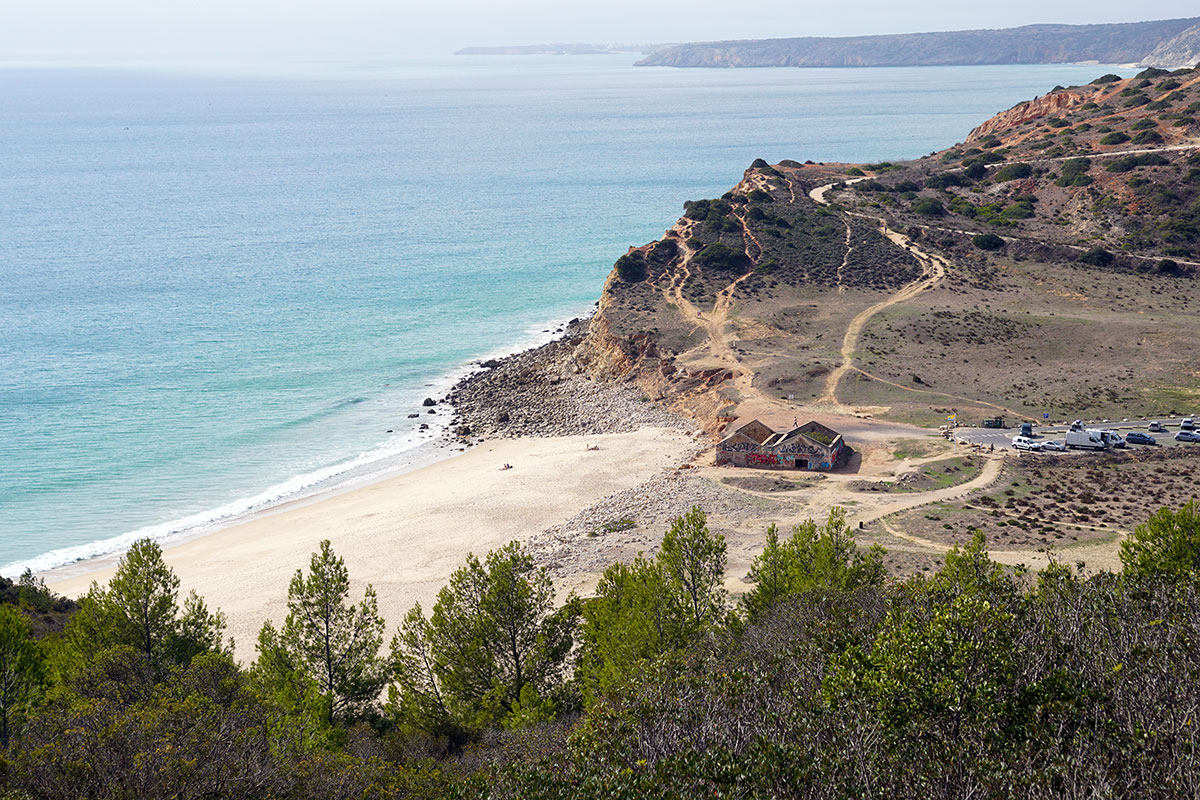 Hiking the Fishermen’s Trail offers breathtaking coastal vistas
But what makes these trails really special? They’re not just scenic—they’re steeped in history. Generations of locals used them to access remote fishing spots or to walk between villages like Luz and Salema before paved roads existed. As you hike, you’re literally walking in the footsteps of the past.
Take the trail toward Salema in the late afternoon. Along the way, you’ll find secret benches and makeshift stone viewpoints locals built over the years. From here, you get the best sunset views in the region—trust us. Bring a thermos of vinho verde and settle in as the sky ignites in pinks and golds. You might even spot dolphins in the distance.
Another bonus? The biodiversity along the cliffs is astounding. Keep your eyes open for wild rosemary, rock roses, and migratory birds. Burgau’s location on the Algarve coast makes it a hot spot for birdwatching—especially during spring and autumn migrations.
Insider tip: There’s a little-known stargazing spot just outside the village, past the clifftop trails. Thanks to Burgau’s low light pollution, the Milky Way is often visible on clear nights. Bring a blanket and lie back. It’s humbling, magical, and completely free.
These trails aren't just for cardio—they’re a conversation with nature and history rolled into one unforgettable adventure.
6. Stay Like a Local: Where to Sleep in Burgau
One of the best ways to truly soak up Burgau’s character is by choosing accommodation that reflects its laid-back, community-focused vibe. Forget cookie-cutter resorts. In Burgau, you’ll find a warm mix of boutique guesthouses, family-run inns, and rustic rentals that offer more than just a bed—they offer a connection to the village’s heart.
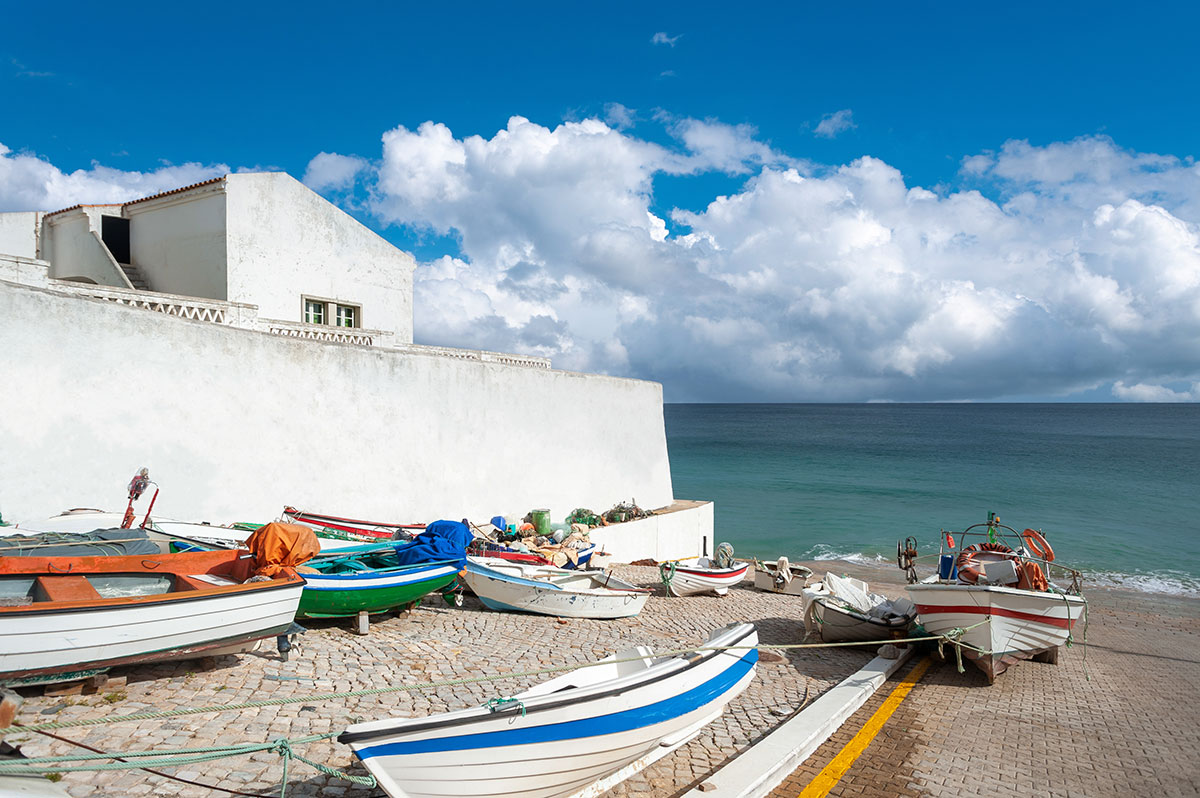 Experience local living by staying in a traditional fisherman’s cottage
For a cozy, home-away-from-home feel, consider staying at Casa Grande, a historic villa turned guesthouse nestled on a quiet lane. Its whitewashed walls and traditional decor give it that authentic Algarve feel. Plus, the hosts are usually locals who can point you toward the best spots for sunset or a secret baker that sells out by 9 AM.
Looking for something eco-conscious? Try the newer wave of eco-lodges built with sustainability in mind. These spots often use solar panels, serve organic breakfast sourced locally, and promote “slow tourism”—a concept that fits Burgau’s unhurried spirit perfectly.
A unique experience? Rent a traditional fisherman’s cottage. Some are still standing along the backstreets of the village and have been lovingly converted into quirky, comfortable rentals. Imagine waking up with the scent of the sea, stepping onto a cobbled path, and walking to the bakery where the owner already knows your name by day two.
Here’s a local tip: Book during the off-season—October to March. Not only will you snag better rates, but you’ll also experience Burgau in its most tranquil state. No crowds, empty beaches, and plenty of opportunities to chat with villagers who are more relaxed without the summer rush. This is also when the local indoor cultural events happen—like fado nights, community dinners, and artisan markets.
In Burgau, where you stay is more than accommodation—it’s a keyhole into a lifestyle most have long forgotten. Simplicity, warmth, and a genuine sense of place.
7. Explore the Local Markets and Handcrafted Goods
Markets in and around Burgau offer a window into everyday life—and a feast for the senses. Unlike the sterile shopping malls in bigger cities, these markets pulse with life, color, and authenticity. Whether it’s a weekly farmer’s market or a pop-up artisan fair, every stall tells a story.
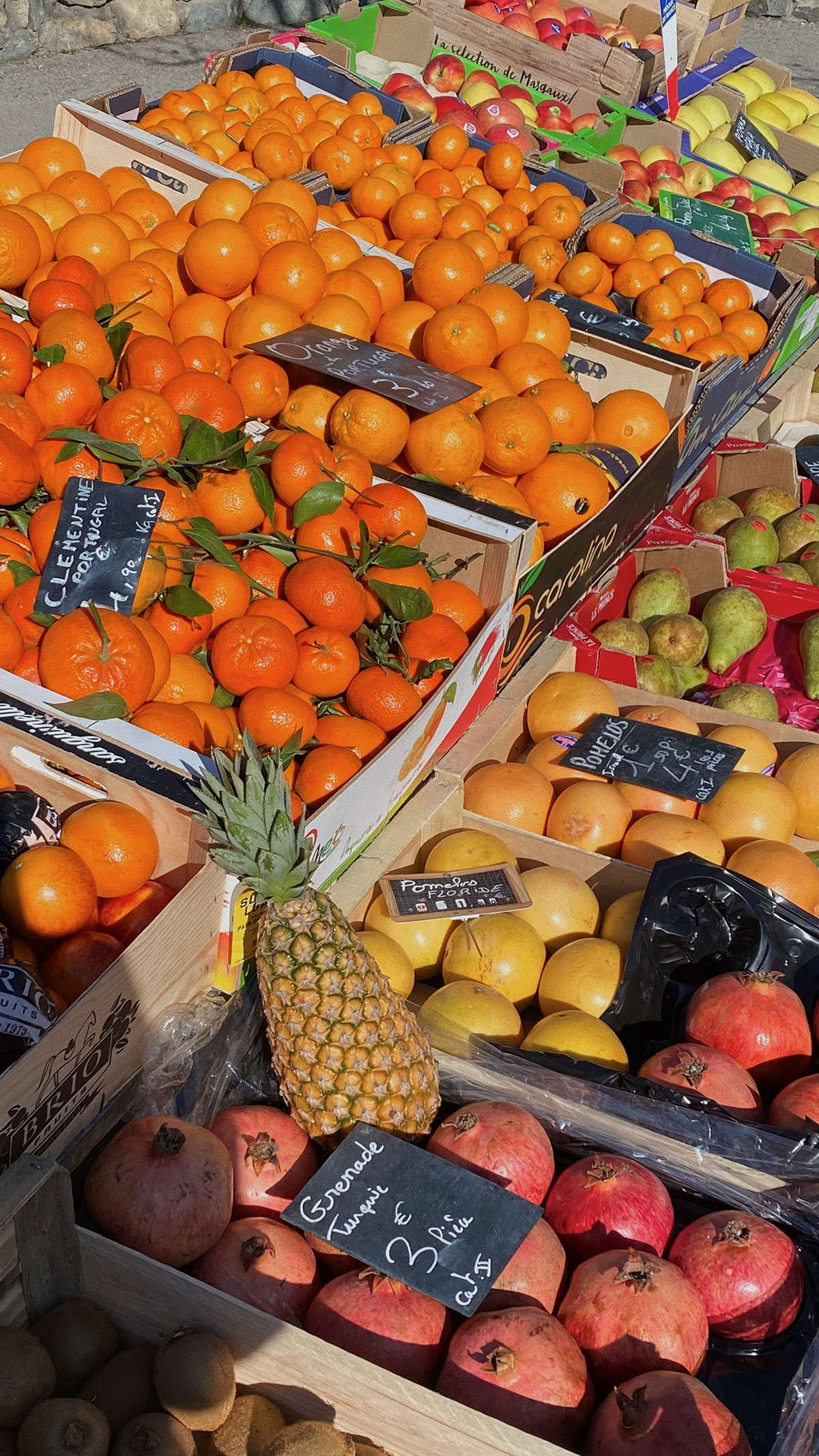 Vibrant local markets offer fresh produce and handcrafted goods
One of the best local spots is the Luz Market, just a short drive or 30-minute walk away. Held every Saturday, it’s a bustling mix of fresh produce, handmade soaps, local wines, and regional specialties like Medronho (a strong fruit brandy). You'll find elderly women selling embroidered linens and men offering hand-carved olive wood kitchenware—perfect souvenirs that support local craftsmanship.
But Burgau also hosts its own smaller-scale market events. During the summer months, look out for evening artisan markets in the village square. These feature local artists, ceramicists, and even surfboard painters showcasing their goods under fairy lights and traditional fado music in the background.
Here’s something special: some stalls are operated on the honesty box system, continuing the trust-based tradition that defines the community. If the seller’s away, you simply leave your money in the tin. It’s this kind of old-world charm that makes Burgau feel like a living postcard.
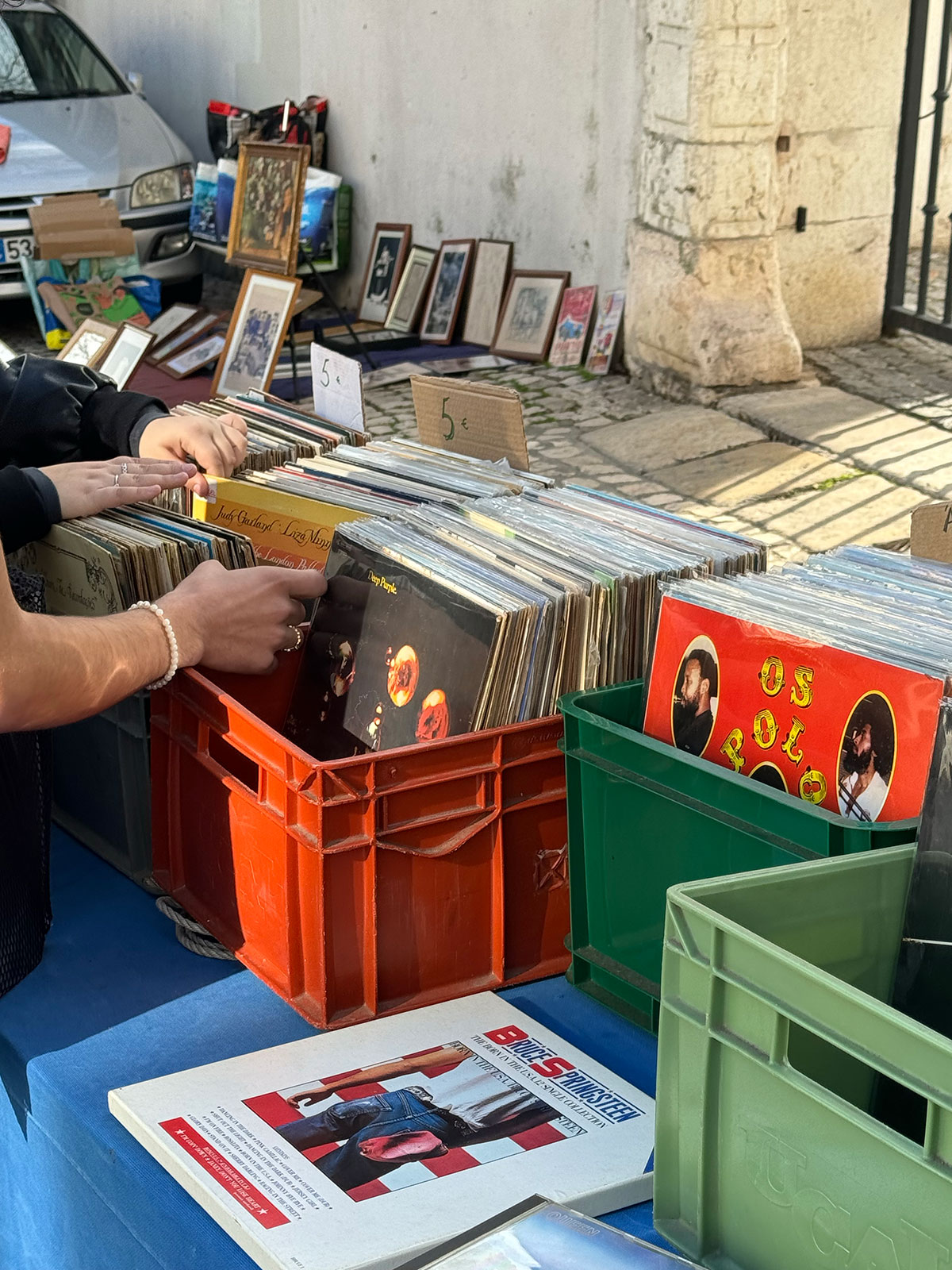 Discover Burgau’s charm at local street markets—where nostalgia comes alive through classic vinyl records and timeless photography.
Insider tip? Ask around for the seasonal fish markets—especially during festival times. These pop-ups often feature cooking demonstrations, where you can sample freshly grilled sardines or octopus skewers prepared by local chefs.
Shopping here isn’t about luxury—it’s about authenticity. And every item comes with a story you’ll be excited to tell long after you’ve left.
8. Dive into History: Burgau’s Past and Hidden Legends
Burgau might seem like a sleepy village today, but it holds centuries of stories in its soil. Its roots stretch back to Roman times—some even believe the nearby cliffs hide remnants of old trade routes used for salted fish exports. While you won’t find a flashy museum, Burgau’s history is quietly embedded in its architecture, legends, and way of life.
Start with the old Roman road remnants leading toward the nearby town of Salema. Partially eroded but still visible, these stones once connected ancient civilizations along the coast. Walk them and imagine the sandals of soldiers, merchants, and fishermen grinding them down through the centuries.
One of Burgau’s most whispered tales is the legend of the sea dragon—a mythological guardian said to dwell in the deep waters beneath the cliffs. This story, passed down through generations, reflects the awe and respect locals have for the ocean. Children grow up hearing of the dragon’s glowing eyes seen under full moons. While there’s no hard proof, there’s something magical about standing at the cliff edge and letting your imagination run wild.
The fishing sheds near the beach, now mostly used for storage, were once bustling with activity—salting, gutting, repairing nets. They represent a bygone era of hard-earned living, which many older residents still remember vividly. If you strike up a conversation with a local elder at a café, you might hear firsthand stories of epic sea journeys, storms weathered, and the changing tides of tourism.
Tip for history buffs: ask locals about the hidden chapel near the cliffs, seldom marked on tourist maps. It's a simple stone structure, once used by fishermen to pray for safe returns. Quiet, haunting, and spiritually charged, it’s a reminder of the deep faith that underpins this coastal community.
9. Celebrate the Seasons: Festivals and Events in and Around Burgau
What’s a great way to experience Burgau like a local? Join the celebrations. The Algarve’s calendar is peppered with festivals—both religious and secular—that offer a front-row seat to the region’s culture, flavor, and joie de vivre.
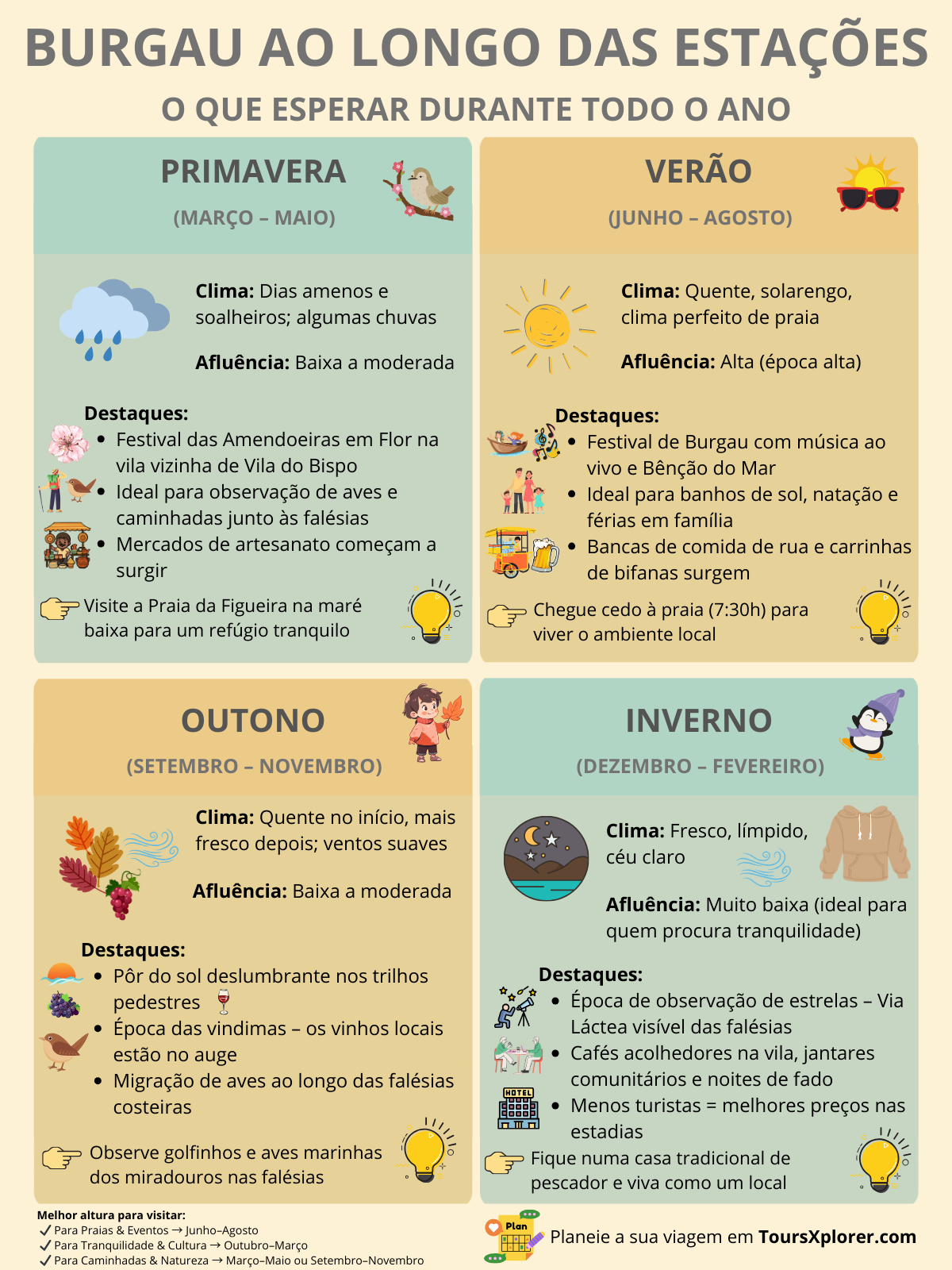
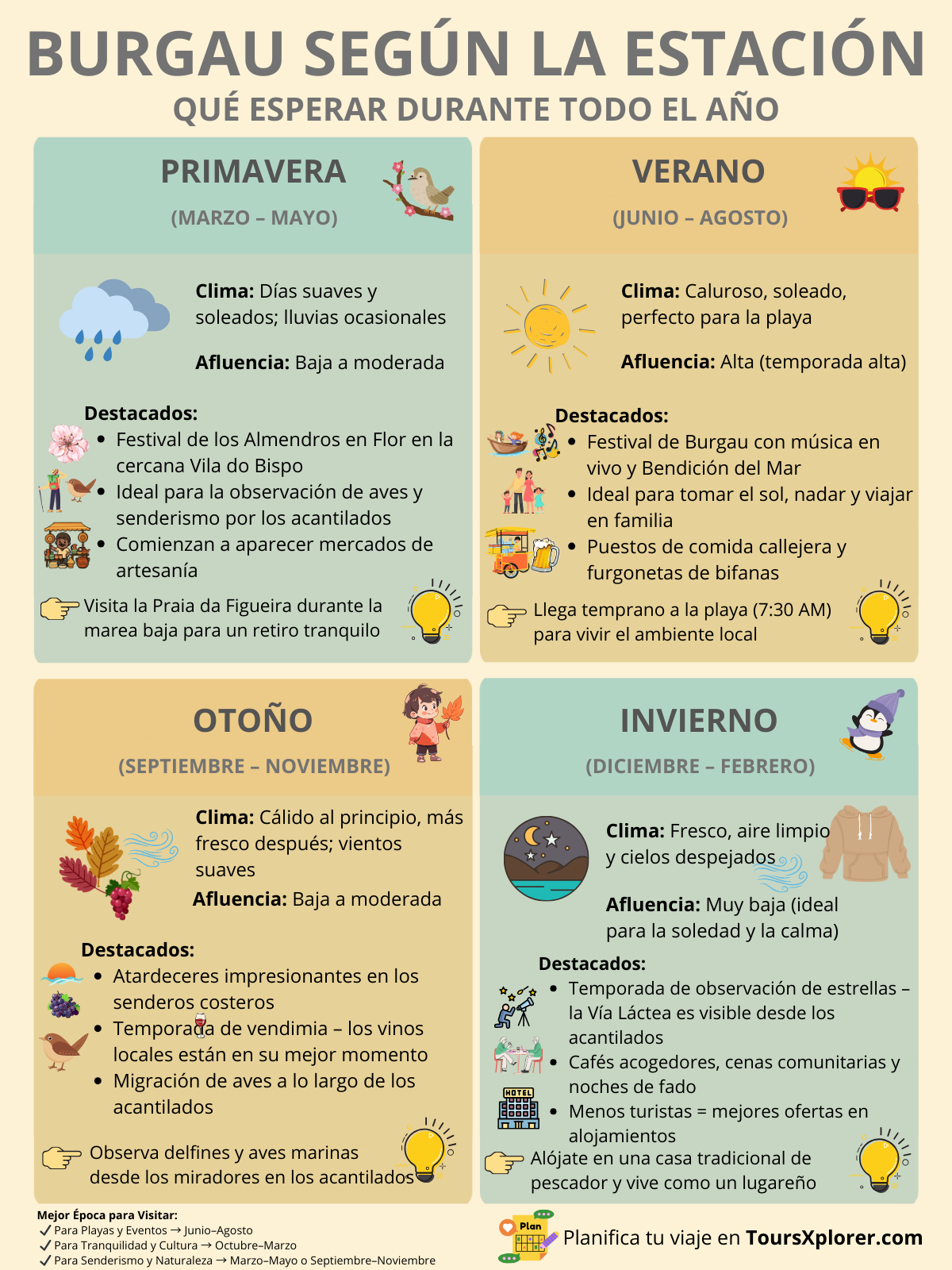
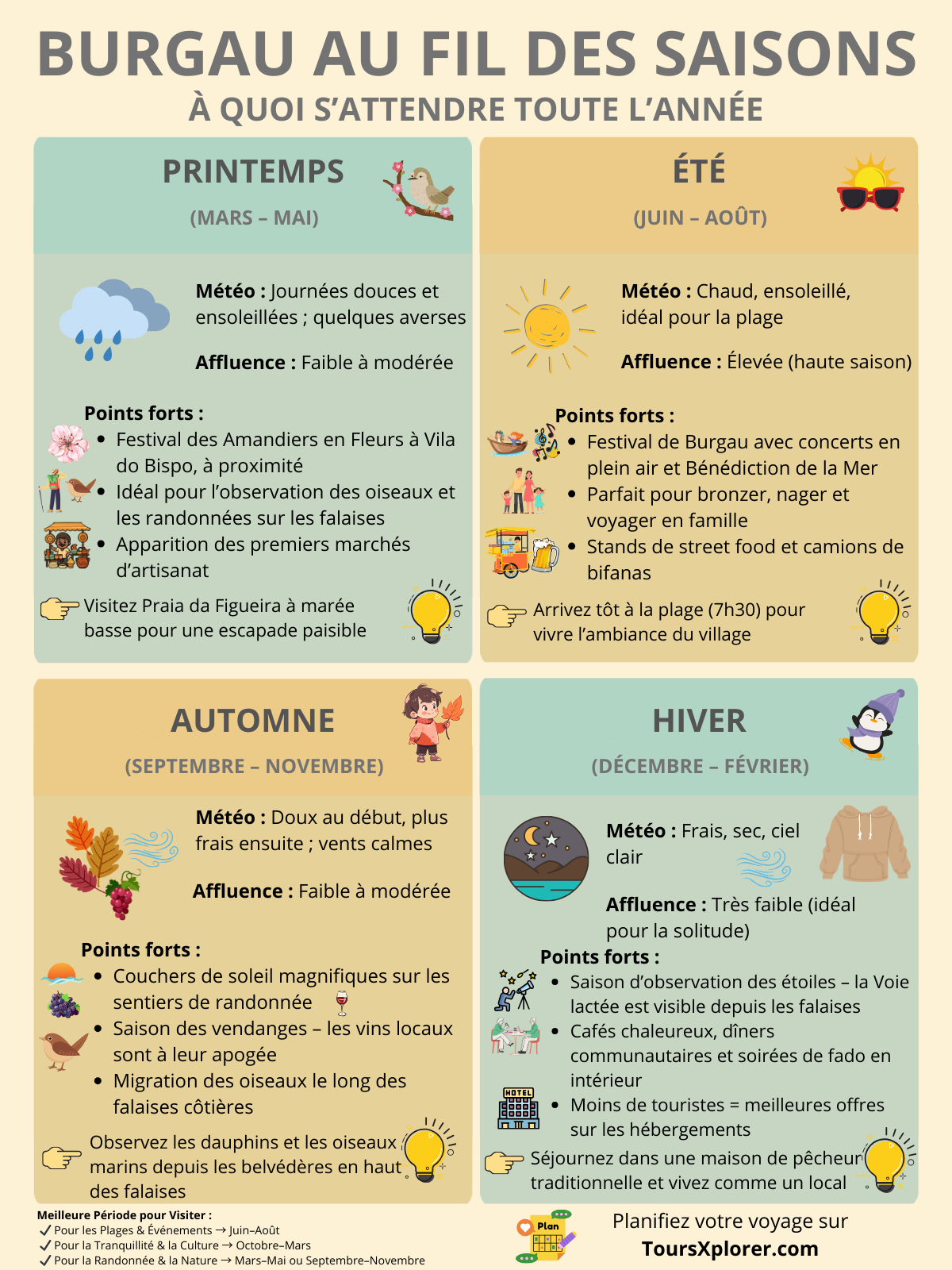
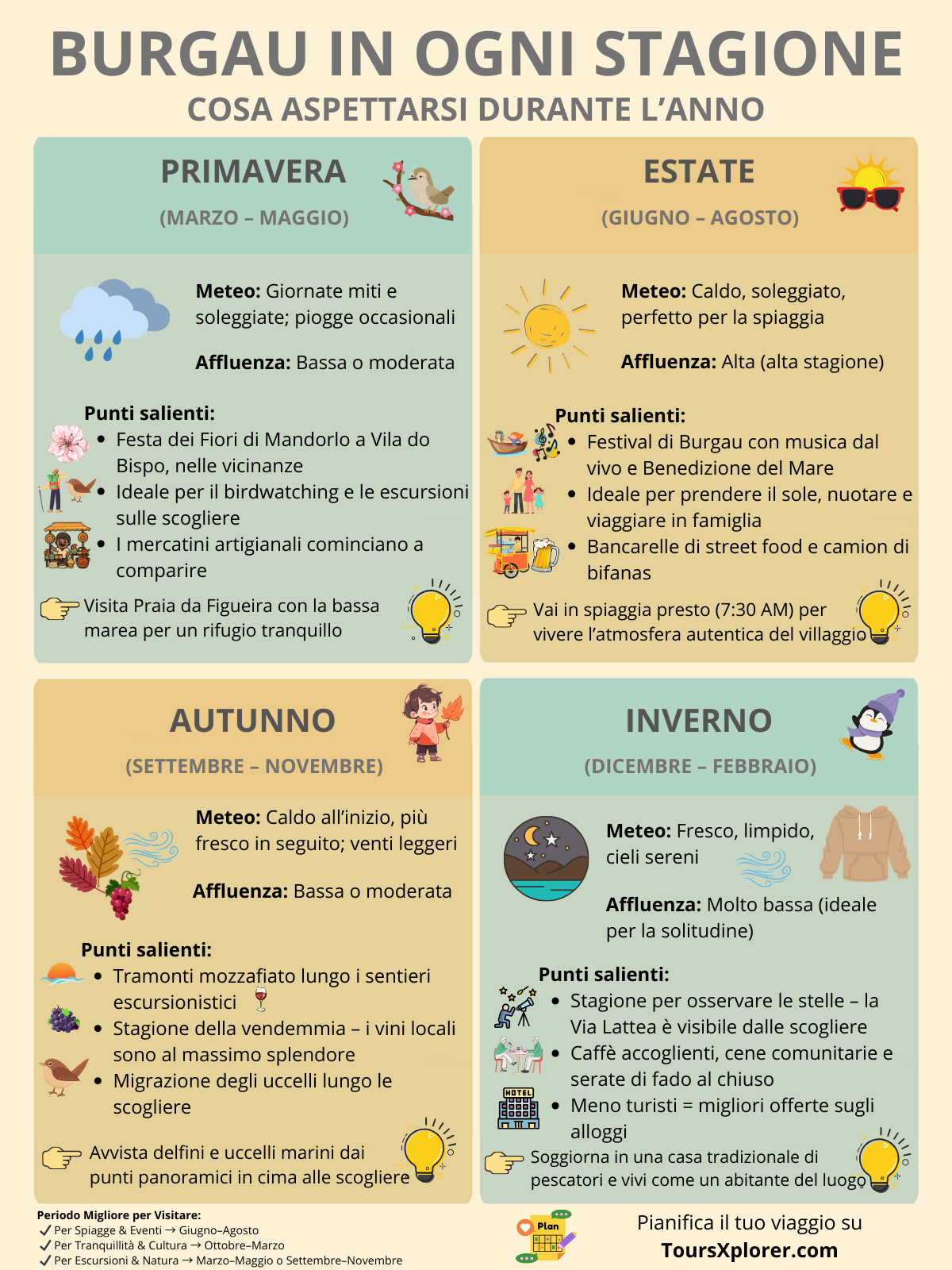
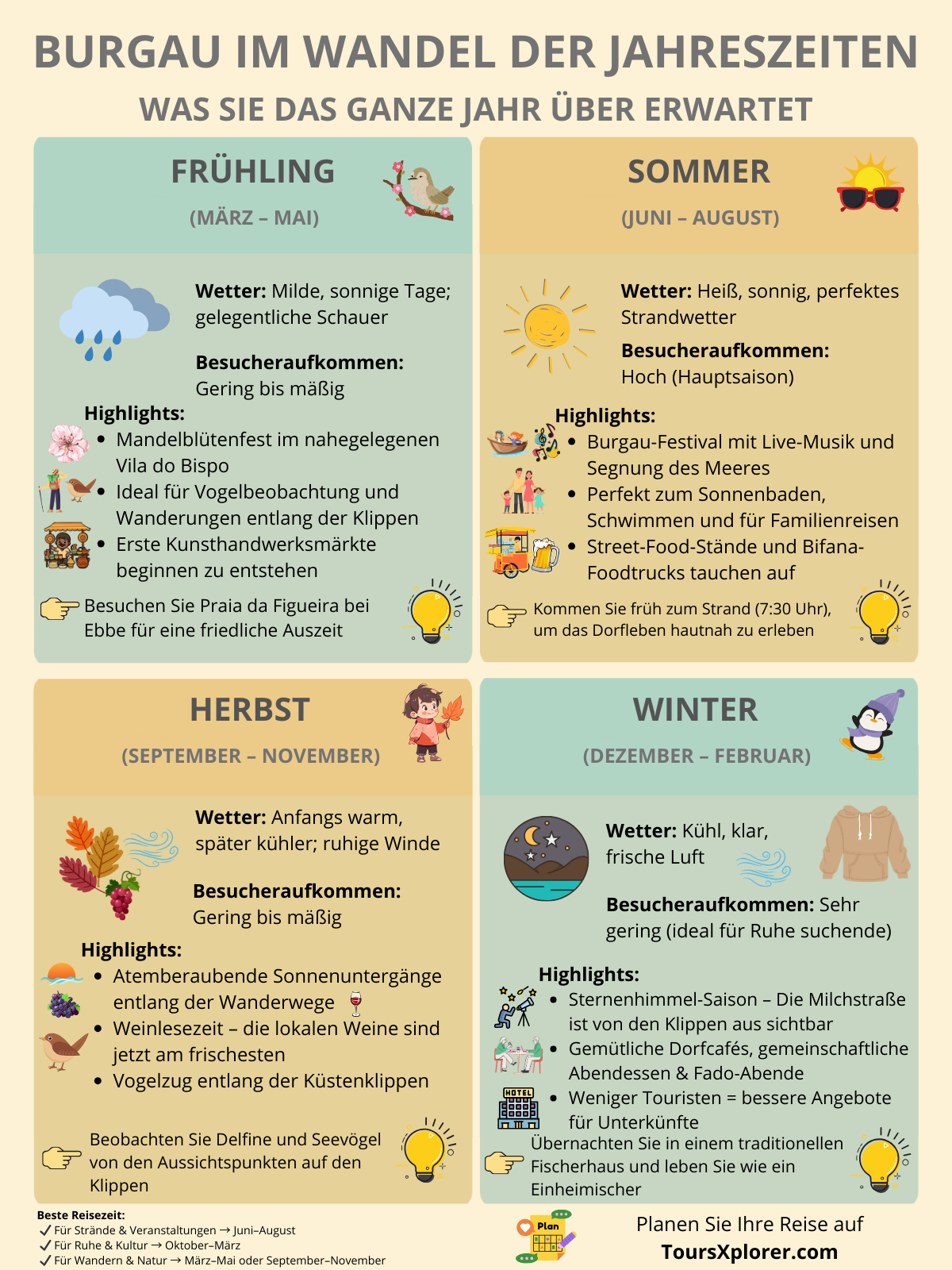
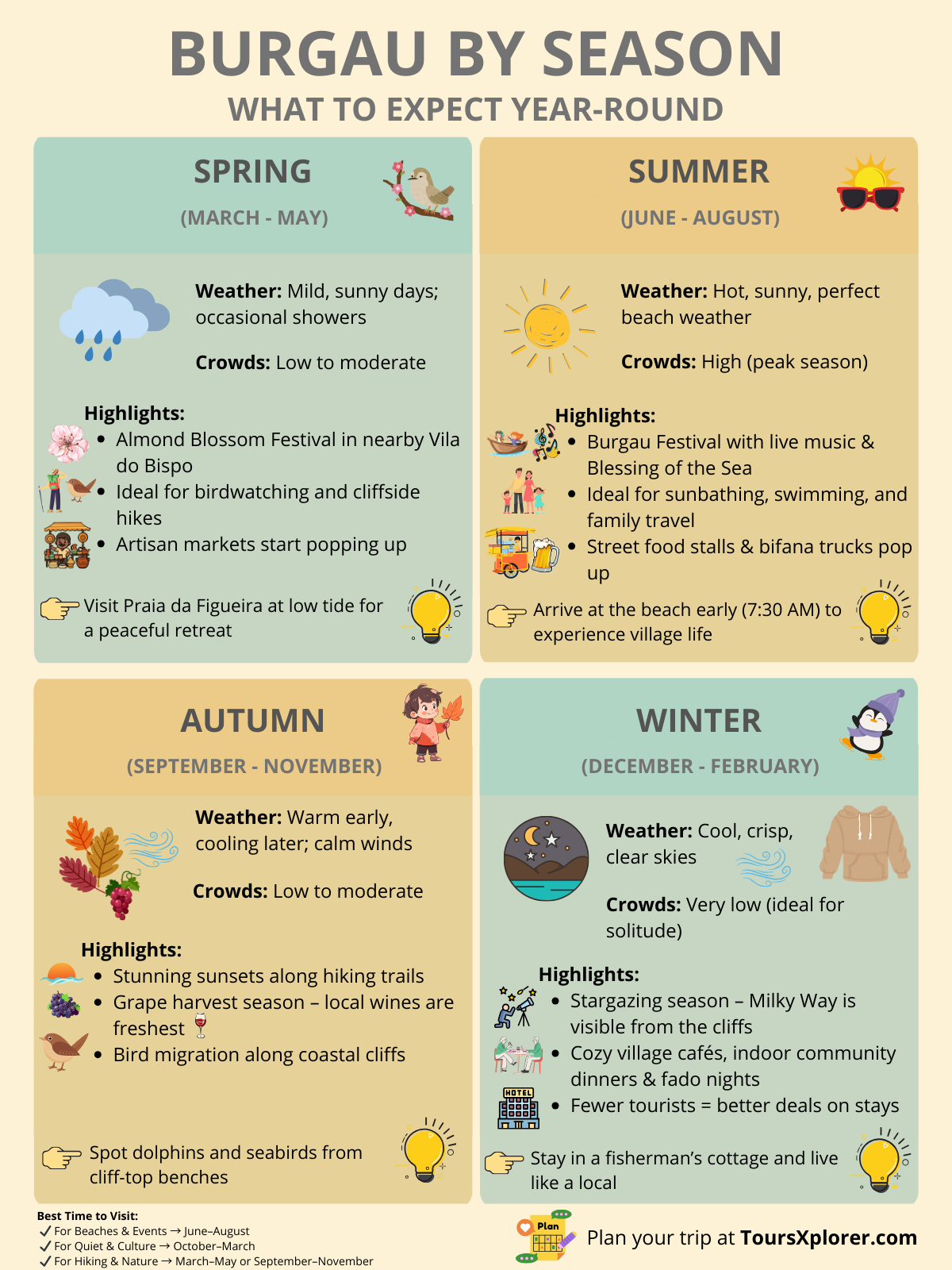
Plan your visit with this guide to Burgau’s seasonal highlights
The Burgau Festival in late July is a highlight. It’s a weeklong celebration of the village’s patron saint, mixing traditional religious processions with open-air concerts, folk dances, and street food. The most moving part? The “Blessing of the Sea” ceremony where fishermen, with boats adorned in flowers, sail out for a spiritual send-off. Whether you’re religious or not, it’s a powerful spectacle.
Then there’s the Almond Blossom Festival, held in early spring in nearby Vila do Bispo. The hills around Burgau erupt in white and pink blossoms, and the village square turns into a market of almond-based treats, local honey, and handcrafted goods. It’s the perfect off-season excuse to visit—and it smells incredible.
Other events to mark on your calendar:
-
Feira da Terra (Earth Fair): A green market focusing on sustainable living and organic farming.
-
Noite Branca (White Night): A summer event where everyone dresses in white and dances till dawn under stars and fireworks.
-
Birdwatching Festival in Sagres: A 30-minute drive, but a must for nature lovers. Thousands of migratory birds soar over the coast during this spectacle.
Want to really stand out as a traveler and not a tourist? Volunteer for a local event. Helpers are often needed for setting up booths or distributing flyers. It’s a small effort with a big reward: immersion, connection, and community.
Festivals in Burgau aren’t just entertainment—they're windows into the soul of the region.
10. Experience Burgau’s Magic Off-Season
Let’s be real: summer in the Algarve is stunning—but it’s also swarming. That’s why visiting Burgau off-season might just be the best travel hack you’ve never heard of. From October through March, the village transforms into something softer, slower, and arguably more authentic.
The tourists are gone, but the heart of the village beats strong. Cafés still open, bakeries still serve piping hot pastéis de nata, and locals have more time for a chat. It’s in these months that Burgau reveals its real charm. The sea remains a deep blue, the skies often crisp and clear, and the narrow streets become yours to wander in solitude.
Insider tip? November through February is stargazing season. With minimal light pollution, Burgau’s night sky becomes a theatre of constellations. Locals often head to the cliffs with blankets, wine, and friends to soak it all in. Join them—it’s a low-key yet unforgettable experience.
Bird lovers rejoice: this is also prime time for watching migratory species that pass through the Algarve. Grab a pair of binoculars and hike the clifftop paths—there’s magic in spotting a flock of rare birds against the backdrop of the Atlantic.
Off-season also means fewer crowds at markets, cheaper stays, and the chance to be a fly on the wall of daily life. It’s when you hear the church bells echo louder, see fishermen fixing boats without distraction, and catch glimpses of schoolchildren walking hand-in-hand after classes.
So, if you truly want to understand Burgau—not just visit it—come when the guidebooks tell you not to. It’s in the quiet months that Burgau speaks loudest.
Conclusion: Why Burgau Should Be Your Next Escape
Burgau isn’t just a place you visit—it’s a place that stays with you. In a world where travel often feels rushed and impersonal, this small village on the Algarve coast reminds us what it means to truly be somewhere. It’s where every wave tells a story, every meal feels like a homecoming, and every street echoes with centuries of quiet resilience.
You’ll come for the views, but you’ll stay for the vibe—the slow pace, the warm people, the chance to connect with something more meaningful than your Instagram feed. You’ll walk the clifftop trails and suddenly understand why locals pause for sunsets. You’ll wander through a market and find yourself chatting about figs with a vendor who’s been farming since he could walk. You’ll sip wine as church bells ring and realize that, somehow, your soul is quieter here.
More than a destination, Burgau is a conversation between the old and the new, the sea and the sky, the locals and the travelers lucky enough to find it. If you’re seeking a travel experience that’s real, rooted, and refreshingly human—Burgau is waiting.
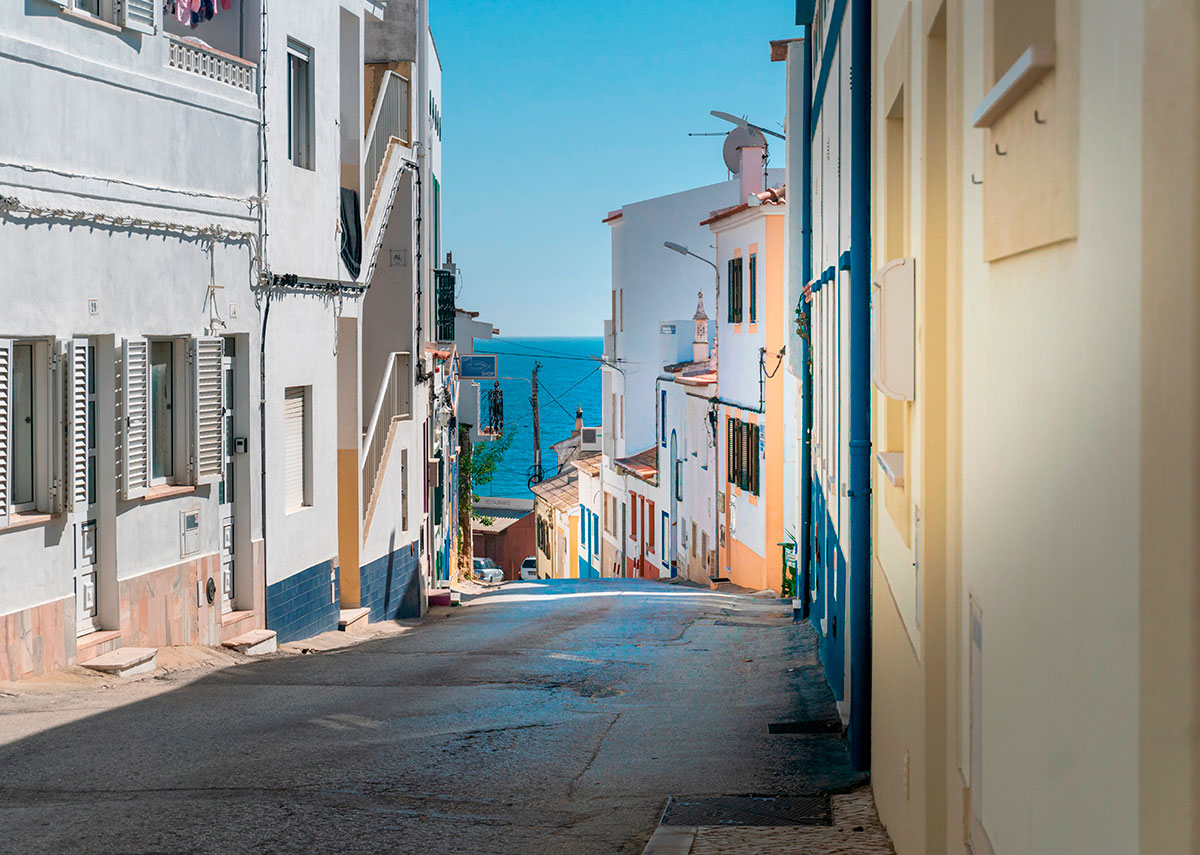 Stroll through Burgau’s picturesque lanes where every turn reveals a glimpse of the Atlantic—merging village charm with stunning ocean views.
FAQs About Visiting Burgau, Portugal
1. What is the best time of year to visit Burgau?
The ideal time depends on your travel style. For warm beach weather and lively festivals, visit from June to August. For a quieter, more authentic experience with mild temperatures, consider coming in the off-season between October and March. That’s when you’ll discover Burgau’s microclimate, stargazing opportunities, and slower rhythm.
2. Are there any cultural events or festivals in Burgau?
Yes! The Burgau Festival in July is the main local celebration, with processions, music, and food. Nearby villages host events like the Almond Blossom Festival in spring and the Birdwatching Festival in Sagres each autumn. Keep an eye out for pop-up artisan markets and community dinners during the off-season too.
3. What are some must-try dishes in Burgau?
Start with grilled sardines, octopus salad, and the Algarve-style cataplana. Don’t miss regional desserts made with almonds and carob. Many of these are linked to Burgau’s fishing and farming traditions, and you’ll find the best versions in local, family-run taverns or weekend food stalls.
4. Is Burgau suitable for families and kids?
Absolutely. The beach is safe and sheltered, and the village is small enough to explore on foot. Kids will love the legend of the Burgau Dragon, rock-pooling at low tide, and spotting birds along the cliffs. There are also friendly restaurants and accommodations geared toward families.
5. What’s the “honesty box” system, and where can I find it?
The honesty box is a charming local tradition where small unmanned stands sell homemade goods like jams, eggs, or fruit. You simply leave the money in the box provided. You’ll spot them near residential streets, outside homes, or by the market square—just one of many ways Burgau keeps its community spirit alive.