




Algarve Food & Culinary Experiences: What to Eat, Taste, and Explore in 2026
From copper cataplana pots in coastal kitchens to marzipan fig pastries in hilltop villages, the Algarve's edible identity rewards curious travellers.
The Algarve is best known for its limestone sea stacks and sandy coves, but its food culture runs equally deep. Atlantic fishing traditions, eight centuries of Moorish agricultural influence, and a thriving wine region inland combine to produce one of Portugal's most recognisable regional cuisines. Travellers who move beyond the resort menus and into local markets, guided food walks, and countryside wine estates consistently find the food to be the most lasting memory of the region.
What makes Algarve cuisine distinct from the rest of Portugal?
The Algarve's culinary identity is shaped by two forces that rarely overlap in Portuguese cooking: the Atlantic Ocean to the south and a Moorish heritage that shaped agriculture and confectionery for centuries after the Reconquista. The region was under Moorish rule from around 711 CE until 1249 CE, a period of roughly 538 years that introduced almond cultivation, dried fig production, and spiced egg-yolk sweets that remain central to Algarvian pastry today.
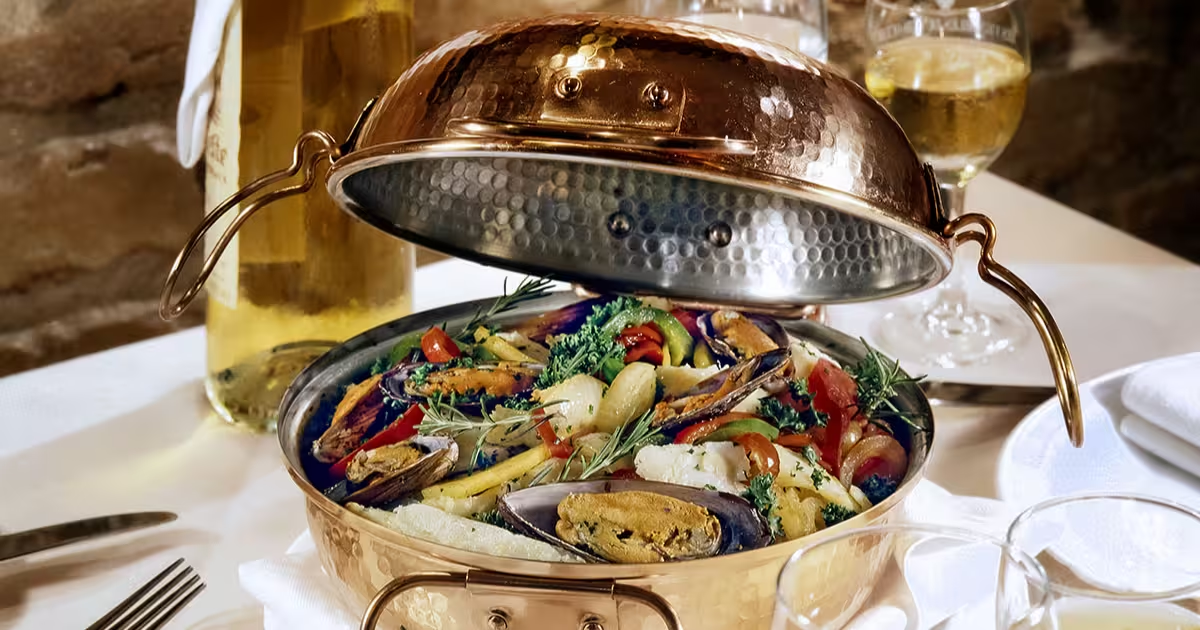
The most iconic dish is the cataplana, a slow-cooked stew prepared in a sealed copper pot shaped like two clamshells hinged together. The pot traps steam and pressure-cooks the contents at the table, typically combining ameijoas (clams), monkfish, chouriço, tomatoes, onion, and white wine. The design of the vessel dates to the region's Moorish period, making it one of Portugal's oldest continuously used cooking implements.
"The cataplana is not just a recipe — it is a cooking method, a vessel, and a social ritual. Opening the pot at the table is part of the experience." — Traditional Algarvian cook, Lagos, 2024
The confectionery tradition is equally specific. Dom Rodrigos are cylinders of egg yolk, almond, and sugar syrup wrapped in silver foil, originating in the convent kitchens of Faro during the 17th century. Morgados are moulded marzipan pastries shaped into figs, almonds, and oranges, sold in speciality pastelarias across Lagos, Silves, and Faro. Both use almonds from the almond groves of the eastern Barlavento and Sotavento subregions, which bloom white across the inland landscape each February.
Grilled fish remains the daily anchor of the coastal diet. Dourada (gilt-head bream), robalo (sea bass), and sardinhas (sardines) are grilled over charcoal at beachside restaurants from Sagres in the west to Tavira in the east, a coastline of approximately 155 kilometres.
Where are the best places to eat and taste local food in the Algarve?
Faro, the regional capital with a population of around 65,000, serves as the most practical base for culinary exploration. Its covered market, the Mercado Municipal de Faro, operates Tuesday through Saturday and stocks local cheeses, smoked sausages, freshly caught fish, and seasonal produce from the inland campos. The Cidade Velha (Old Town), enclosed within 2nd-century Roman and later Moorish walls, contains several restaurants specialising in traditional Algarvian recipes rather than tourist adaptations.
Inland, the municipality of Silves — the former Moorish capital known as Xelb, which fell to Portuguese forces in 1242 CE — sits at the heart of the Algarve's citrus and fig-growing belt. The town's weekly Saturday market draws producers from the Serra de Monchique, the mountainous interior rising to 902 metres at Fóia, the highest point in southern Portugal. Smoked pork products from black Iberian pigs raised on Monchique's acorn-rich hillsides are a specific regional product worth seeking out.
"Inland Algarve tastes different from the coast. The Serra de Monchique produces honey, medronho (arbutus berry brandy), and cured meats that rarely reach the tourist menus near the beach." — Food writer, Portimão, 2023
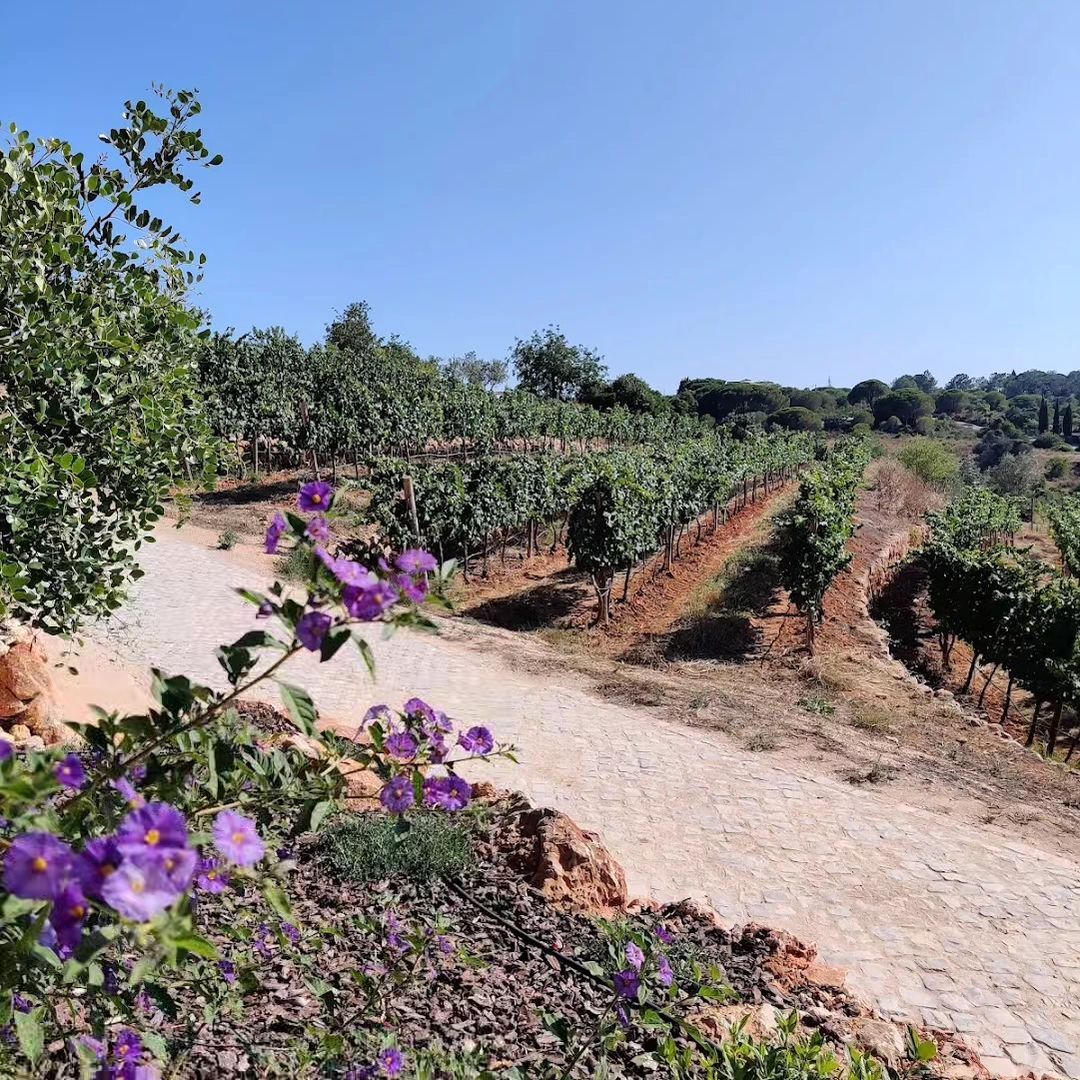
The Lagoa wine subregion, centred approximately 20 kilometres west of Faro, produces white wines from Arinto and Síria grape varieties with high natural acidity suited to pairing with seafood. Red wines from Negra Mole and Castelão grapes are produced across the broader Denominação de Origem Controlada (DOC) Algarve zone, which was formally designated in 1980. Several quintas (wine estates) north of Lagoa and near Tavira offer organised tastings combined with vineyard walks.
ToursXplorer lists structured culinary tours connecting these inland food landscapes with guided context, allowing travellers to cover wine estates, pottery villages, and coastal seafood in a single day rather than navigating independently across the region's road network, which is predominantly served by the N125 national road and the A22 Via do Infante motorway.

What should travellers know before booking a food or culinary tour in the Algarve?
Most food-focused tours in the Algarve operate year-round, but the experience varies considerably by season. Between June and September, the coastal towns draw the highest visitor numbers, which means market stalls and traditional restaurants can be crowded and, in some cases, oriented toward simpler tourist menus. The best window for an authentic culinary experience is October through May, when local markets operate at full capacity, seasonal produce (wild mushrooms, winter citrus, almond blossom) is at its peak, and local producers are more accessible.
Tours typically run between 4 and 8 hours. Half-day food walks in Faro cover approximately 3 to 4 kilometres on foot through the historic centre, the marina area, and the market, with tastings at 4 to 6 stops including a pastelaria, a fish counter, and a deli specialising in regional products. Full-day tours extending inland reach the wine estates and pottery villages of the Barlavento subregion, covering distances of 80 to 120 kilometres by vehicle.
Dietary requirements are worth communicating in advance. Much of traditional Algarvian cooking is built around shellfish and pork, though grilled fish options and vegetable-forward dishes from the horta (kitchen garden) tradition are widely available. Gluten-free travellers will find most of the traditional confectionery — Dom Rodrigos and morgados use almond flour rather than wheat — naturally compatible with their diet.
| Tour Type | Duration | Best For | Key Highlights |
|---|---|---|---|
| Walking food tour (Faro) | 3–4 hours | History + tasting, urban explorers | Old Town, market, pastelaria, local deli |
| Full-day beach, pottery & wine | 8 hours | Culture + landscape + gastronomy | Coastal villages, pottery workshop, wine estate |
| Off-road wine tasting | Full day | Adventure + wine enthusiasts | Serra foothills, 4x4 tracks, vineyard tasting |
All tours listed on ToursXplorer include English-speaking guides and confirmation within 24 hours of booking. Group sizes are typically capped at 12 to 15 participants, which allows guides to maintain a conversation pace suited to culinary learning rather than simple sightseeing.
Food & Culinary Tours in the Algarve Region
Ready to taste the real Algarve? Browse all food and culinary tours on ToursXplorer and reserve your spot with free cancellation up to 24 hours before departure.
Browse all Algarve Region tours on ToursXplorerHow to Make the Most of a Food-Focused Trip to the Algarve
A well-planned culinary itinerary in the Algarve benefits from combining at least one urban food walk (Faro is the most practical choice given its market, historic quarter, and transport connections including Faro International Airport, located 4 kilometres from the city centre) with at least one inland excursion reaching the wine estates and village markets of the Barlavento or Sotavento interior.
For travellers staying on the western coast near Lagos or Sagres, the inland route toward Monchique via the N266 road passes through several villages where medronho distilleries and smoked sausage producers sell directly to visitors. Medronho is a clear spirit distilled from the fruit of the Arbutus unedo (strawberry tree), fermented and pot-stilled in copper alembics. It is produced primarily in the Monchique municipality and is not widely exported, making the Algarve the only practical place to taste it authentically.
Travellers based in the eastern Algarve near Tavira or Vila Real de Santo António have access to the Ria Formosa Natural Park, a 60-kilometre coastal lagoon system that produces the Algarve's finest bivalves, including ostras (oysters) from the Tavira island beds and berbigão (cockles) harvested by hand from the tidal flats. Several small boat operators offer oyster-tasting excursions directly on the lagoon.
ToursXplorer's curated selection of Algarve food experiences covers the full spectrum from urban walking tours in Faro to multi-stop full-day itineraries combining coast, pottery, and wine. All experiences are bookable in advance with English language support, which removes the logistical friction of finding reliable food-focused guides independently in a region where culinary tourism infrastructure, while growing, remains concentrated in the major coastal towns.
A Short Guide to Algarve Food Seasons and Local Produce
The Algarve's agricultural calendar follows a Mediterranean rhythm with Atlantic moderation. January and February bring almond blossom across the eastern Serra and the Barrocal limestone plateau, and the fresh almonds harvested in July and August supply the Dom Rodrigo and morgado makers through the autumn. Citrus peaks between December and March, with Silves and Portimão producing table oranges, lemons, and the local medronheira that supplies brandy production.
Seafood availability shifts with Atlantic currents. Sardines (Sardina pilchardus) are at their fattest between June and September, which is why the sardine grilling season coincides with the peak tourist months. Outside that window, perceves (goose barnacles, harvested from exposed Atlantic rocks near Sagres), ouriços-do-mar (sea urchins), and cured salt cod (bacalhau) preparations dominate the colder months.
Wine harvest (vindima) takes place across the DOC Algarve zone between late August and early October depending on the subregion, and several quintas open their doors to visitors during this period. The Lagoa cooperative, founded in 1944 and one of the oldest in the Algarve, processes grapes from over 200 local growers and offers guided cellar visits year-round.
Frequently Asked Questions
Cataplana is a slow-cooked seafood stew prepared in a sealed copper pot of Moorish origin. The standard version combines clams, monkfish, chouriço, tomatoes, and white wine. It is served across the Algarve, but the most traditional preparations are found in Portimão, Lagos, and Faro. Expect to pay between 18 and 35 euros per person at a specialist restaurant.
Dom Rodrigos, cylindrical rolls of egg yolk, almond, and sugar wrapped in silver foil, are the most iconic. Morgados are moulded marzipan pastries shaped as figs, almonds, or oranges. Both originate in Faro's 17th-century convent kitchens and use almonds grown in the Algarve's inland Barrocal zone. They are available at pastelarias across Faro, Lagos, Silves, and Tavira.
October through May offers the most authentic experience: local markets are fully stocked, seasonal produce such as wild mushrooms, winter citrus, and almond blossom is available, and restaurants operate primarily for local clientele rather than summer tourists. The vindima (wine harvest) in September and October also creates additional tasting opportunities at inland quintas.
Walking food tours in Faro run 3 to 4 hours and cover approximately 3 to 4 kilometres on foot with 4 to 6 tasting stops. Full-day tours combining coast, wine estates, and inland villages last 7 to 8 hours and cover 80 to 120 kilometres by vehicle. Off-road wine tours are also full-day experiences, typically departing by 9 AM and returning by 5 PM.
Yes, with some preparation. Traditional Algarvian cooking is shellfish and pork-heavy, but grilled fish and vegetable dishes from the horta tradition are widely available. The region's signature sweets, Dom Rodrigos and morgados, are made with almond flour and are naturally gluten-free. Communicate dietary requirements when booking: most guided food tours listed on ToursXplorer accommodate restrictions with advance notice.
Several quintas in the Lagoa and Tavira subregions accept independent visitors, but opening hours are irregular outside harvest season. The Lagoa cooperative, one of the oldest in the region (founded 1944), offers structured cellar visits year-round. Booking a guided tour is the most efficient way to combine multiple estates and villages in a single day, particularly if you are travelling without a hire car.