15 Things You Should Know Before Visiting Lisbon
Lisbon isn’t just another European capital—it’s an eclectic, sun-drenched city that blends history, creativity, and community spirit. If you're an independent traveler between 25 and 45, dreaming of cobblestone alleys, cliffside views, and authentic cultural experiences, Lisbon is a dream waiting to happen. But before you hop on that tram or sip that first bica (Portuguese espresso), here are ten essential things to know that’ll transform your trip from average to unforgettable.
1. Lisbon’s Unique Blend of Old-World Charm and Modern Energy
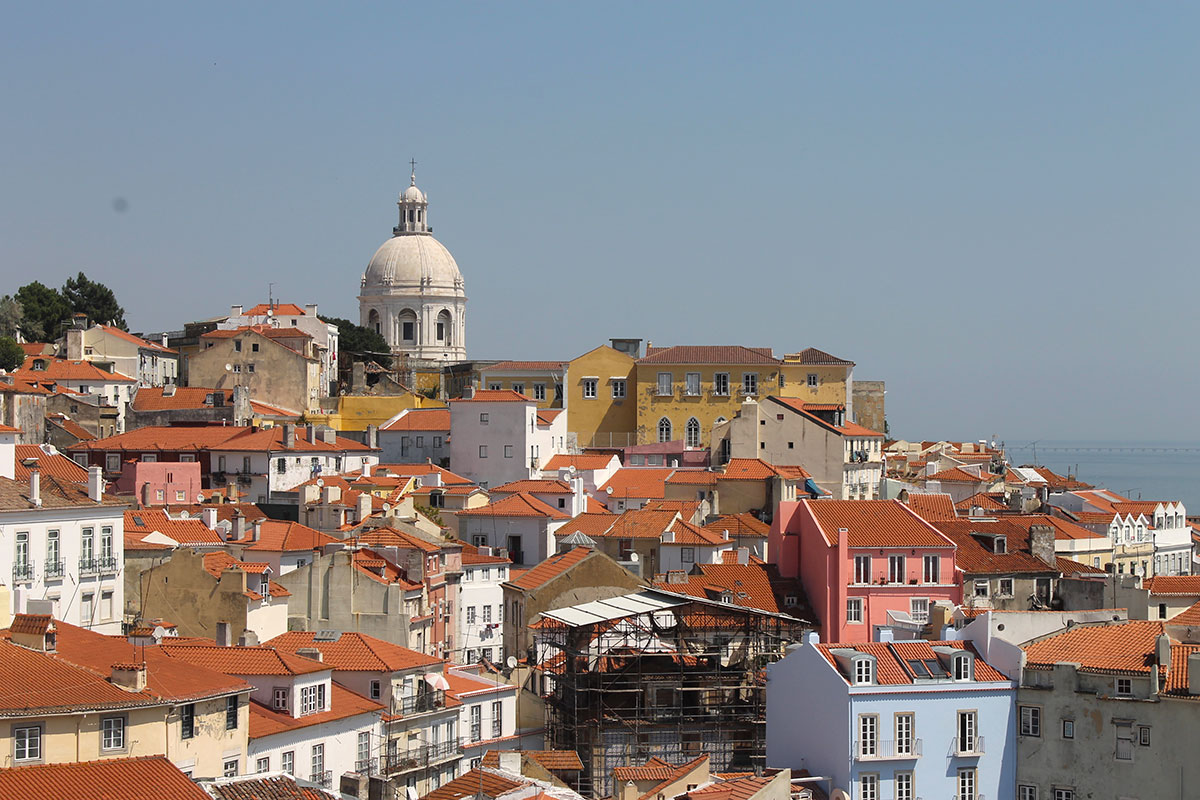 Alfama's maze-like streets echo with Fado music and centuries of history.
Lisbon is where centuries-old cathedrals sit comfortably next to bold street art. The city breathes history but pulses with a young, creative vibe. From the ancient walls of the Alfama district, where Fado music echoes through narrow alleys, to the contemporary hub of LX Factory, an old factory-turned-artsy-complex, the city is an ever-changing canvas.
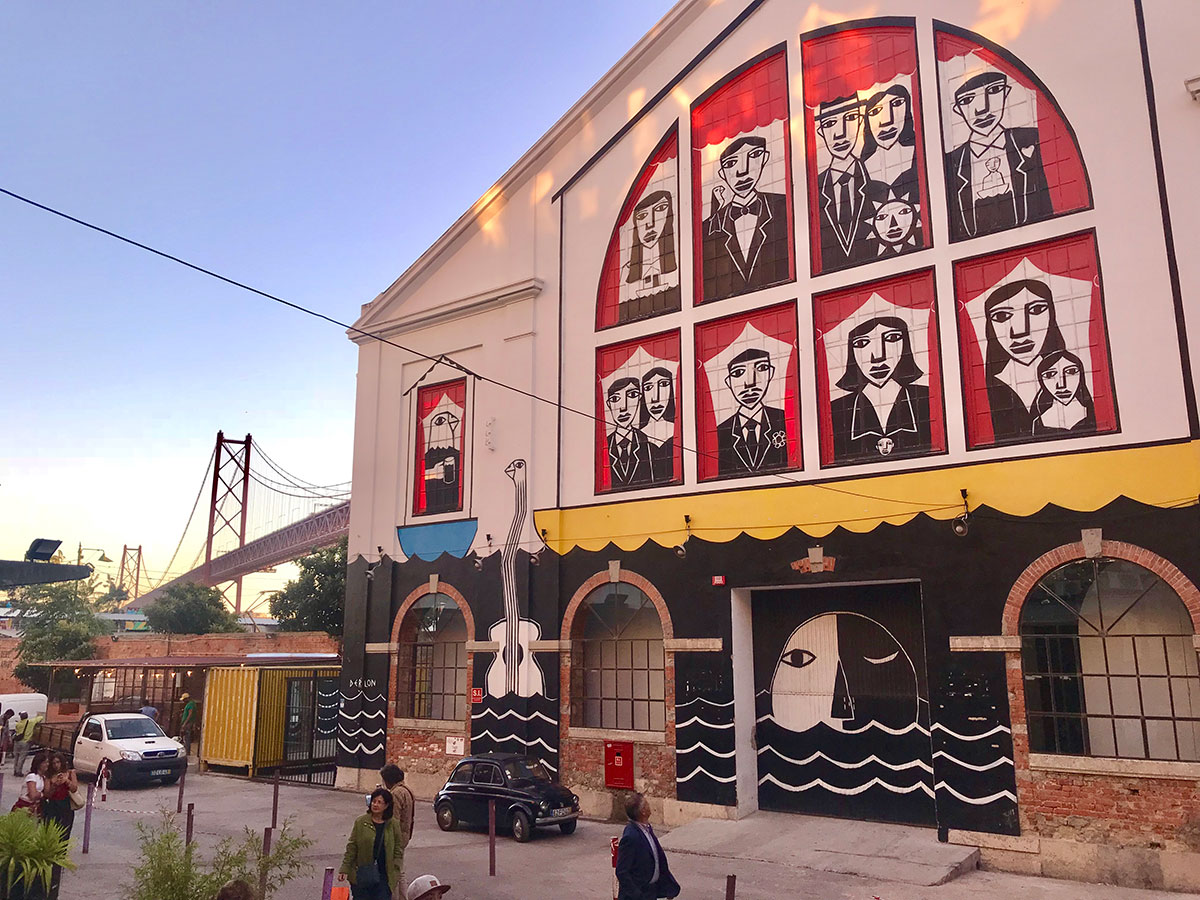 LX Factory blends industrial heritage with modern creativity.
Alfama, Lisbon’s oldest neighborhood, is the heartbeat of tradition. Expect labyrinthine lanes, pastel-painted homes with tiled facades, and the distant strumming of guitars. It’s the place to get wonderfully lost. Contrast this with the trendy LX Factory area in Alcântara—a hotspot for co-working spaces, rooftop bars, indie bookstores, and boutique coffee shops, perfect for digital nomads in Lisbon seeking both inspiration and Wi-Fi.
The city’s skyline is crowned by São Jorge Castle, overlooking terracotta rooftops that tumble down to the Tagus River. Yet, Lisbon doesn’t live in the past. Its innovation scene is booming, from tech startups to modern gastronomy. This unique blend makes it ideal for solo travelers looking for connection, couples on a romantic getaway in Lisbon, or creatives seeking a fresh perspective.
Architecture buffs will appreciate the Manueline style of Jerónimos Monastery, but just around the corner, you’ll find minimalist cafes serving oat milk lattes. This contrast, this harmony, is Lisbon.
2. Embracing Responsible Tourism in Lisbon
Traveling to Lisbon offers more than sightseeing—it’s an opportunity to be part of a movement. Responsible tourism in Lisbon isn’t just a trend—it’s a mindset. The city encourages travelers to engage meaningfully, respect local customs, and contribute positively to the community.
So how can you embrace sustainable travel Lisbon values? Start by supporting local businesses. Skip chain hotels and stay in boutique guesthouses or eco-conscious Airbnbs. Shop at artisan markets in neighborhoods like Campo de Ourique, where you can buy handmade goods while chatting with the creators themselves.
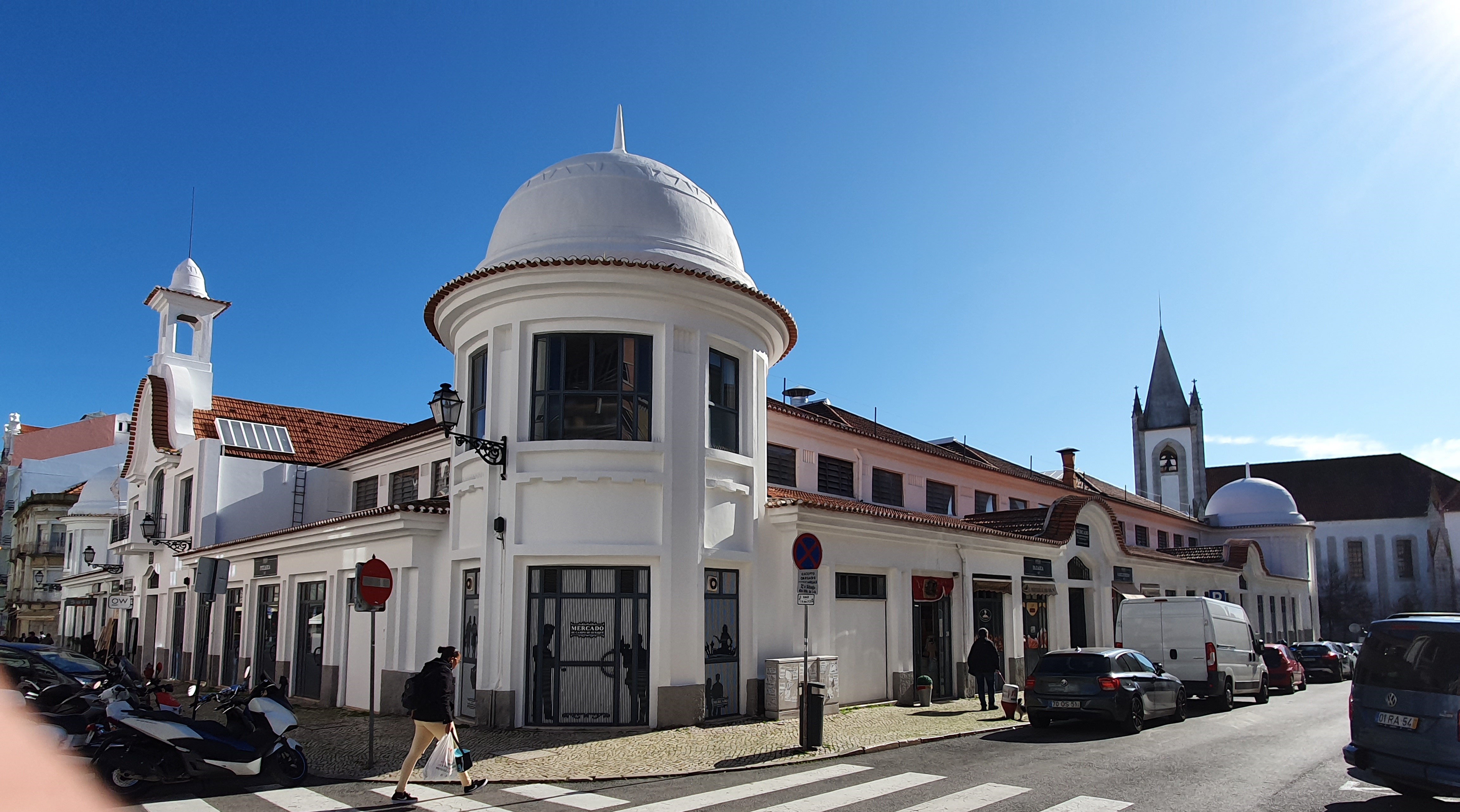 The iconic exterior of Mercado de Campo de Ourique invites visitors into one of Lisbon’s most beloved neighborhood markets—where tradition meets contemporary flavor.
Join experiences led by locals through platforms like Toursxplorer.com, which focus on cultural depth and environmental impact. Want to learn to cook a traditional dish with ingredients from a local farmer’s market? Or take a guided street art walk with a local artist? These experiences give back to the community while giving you unforgettable memories.
Reduce your footprint by using Lisbon’s stellar public transport—especially the iconic yellow trams—or better yet, walk the hills and neighborhoods. Lisbon is made for wandering. Many initiatives now focus on promoting low-impact tourism, including plastic-free water stations and public awareness campaigns for preserving local heritage.
Sustainable tourism also means respecting the city’s soul. Be mindful of noise in residential areas, especially at night. Don’t use short-term rental platforms that drive locals out of housing. Choose ethically, travel mindfully, and you’ll leave a positive mark.
3. Discovering Lisbon’s Hidden Gems
If you think you’ve “done Lisbon” by ticking off Belém Tower and riding Tram 28, think again. The real magic lies in Lisbon hidden gems—those tucked-away corners that don’t make the typical guidebooks but will stick in your memory for years.
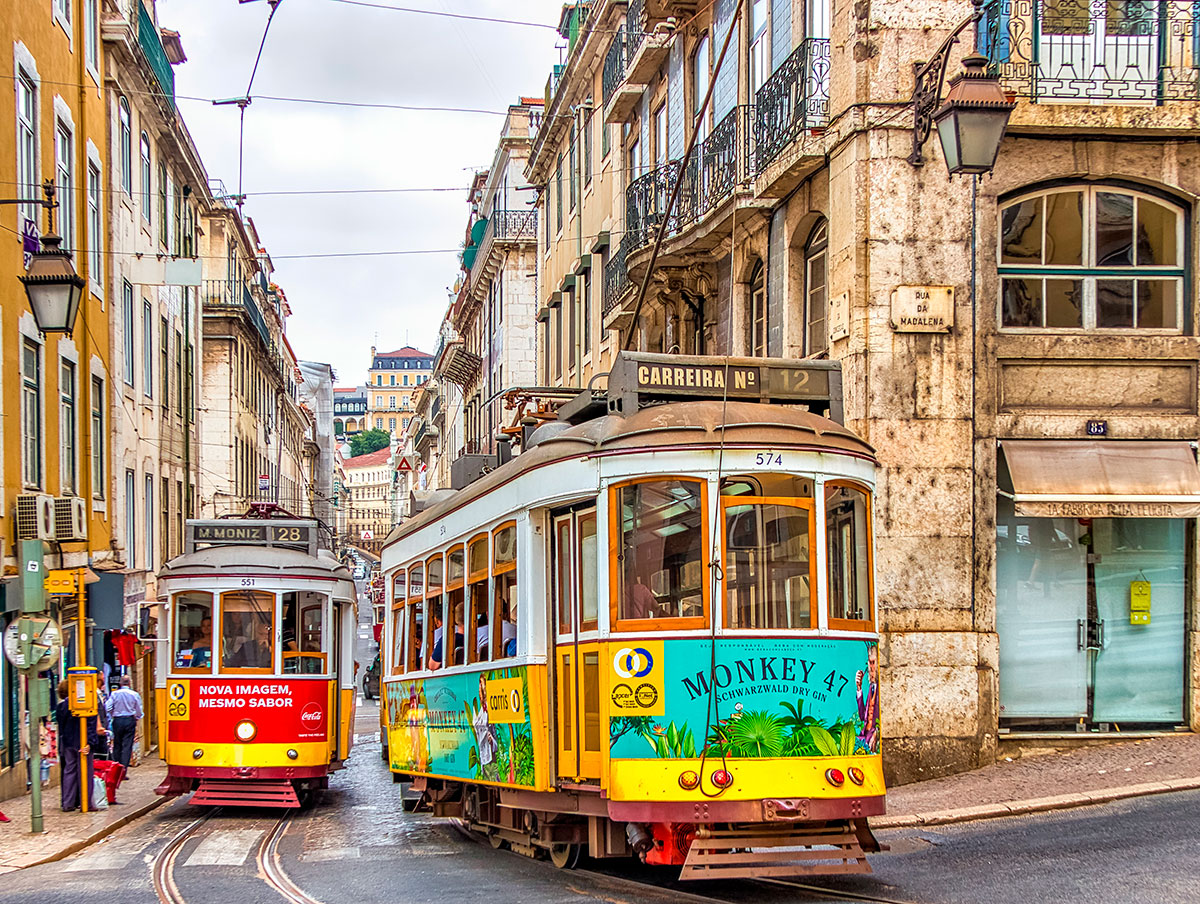 Tram 28 offers a charming journey through Lisbon's neighborhoods.
Let’s start with Mouraria, the birthplace of Fado and a melting pot of cultures. It’s colorful, gritty, and bursting with soul. The graffiti murals here tell stories of immigration, love, resistance, and rebirth. Grab a coffee at a local kiosk and watch the world go by.
Or wander into Jardim do Torel, a hillside park often missed by tourists. It offers stunning views without the crowds of Miradouro da Senhora do Monte. Locals come here to relax after work, and if you visit in the summer, there’s even a pop-up pool.
How about a secret beach just outside the city? Take a short train ride to Praia da Ursa near Sintra—a rugged, wild cove perfect for quiet reflection or a romantic day trip. It’s one of the best off the beaten path Lisbon experiences you’ll find.
 Praia da Ursa is one of Portugal’s wildest hidden beaches—perfect for adventurous travelers seeking solitude and natural beauty near Lisbon.
Want something truly immersive? Consider visiting a small tasca in Graça, where the owner serves only what’s fresh that day. No menus, just trust and taste. These experiences—unplanned, unfiltered—define the authentic Lisbon.
4. Getting Around with Scenic Lisbon Walking Routes
Ditch the tour bus. Lisbon is best experienced on foot. Whether you're a solo traveler in Lisbon or a couple meandering hand-in-hand, the city’s hills, staircases, and scenic miradouros (viewpoints) make walking an adventure in itself.
Start with the Baixa to Chiado route—an uphill journey that rewards you with bookshops, street performers, and sweet smells from bakeries offering pastéis de nata. Continue into Bairro Alto, Lisbon’s bohemian nightlife center, and descend into Cais do Sodré, the city’s former red-light district turned cool hangout.
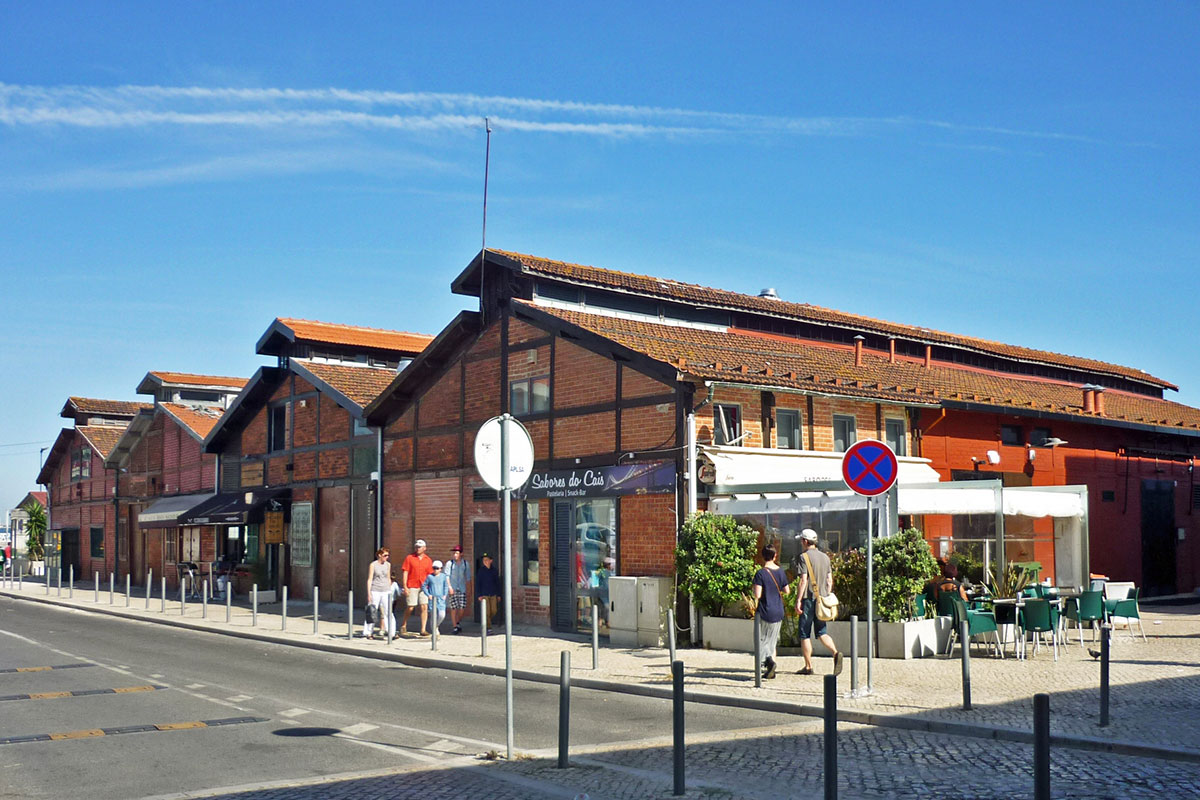 Cais do Sodré blends riverside charm with Lisbon’s trendiest bars, eateries, and nightlife energy—perfect for both daytime strolls and evening fun.
Want a quieter path? Try walking from Príncipe Real to Estrela. You’ll pass elegant mansions, tiny parks, and friendly kiosks. Stop by Jardim da Estrela for a picnic among locals and maybe catch a live band in the gazebo.
Another must is the Alfama walking route—a maze of alleys that open suddenly to panoramic viewpoints like Miradouro de Santa Luzia. These walking routes don’t just show you Lisbon—they let you feel it.
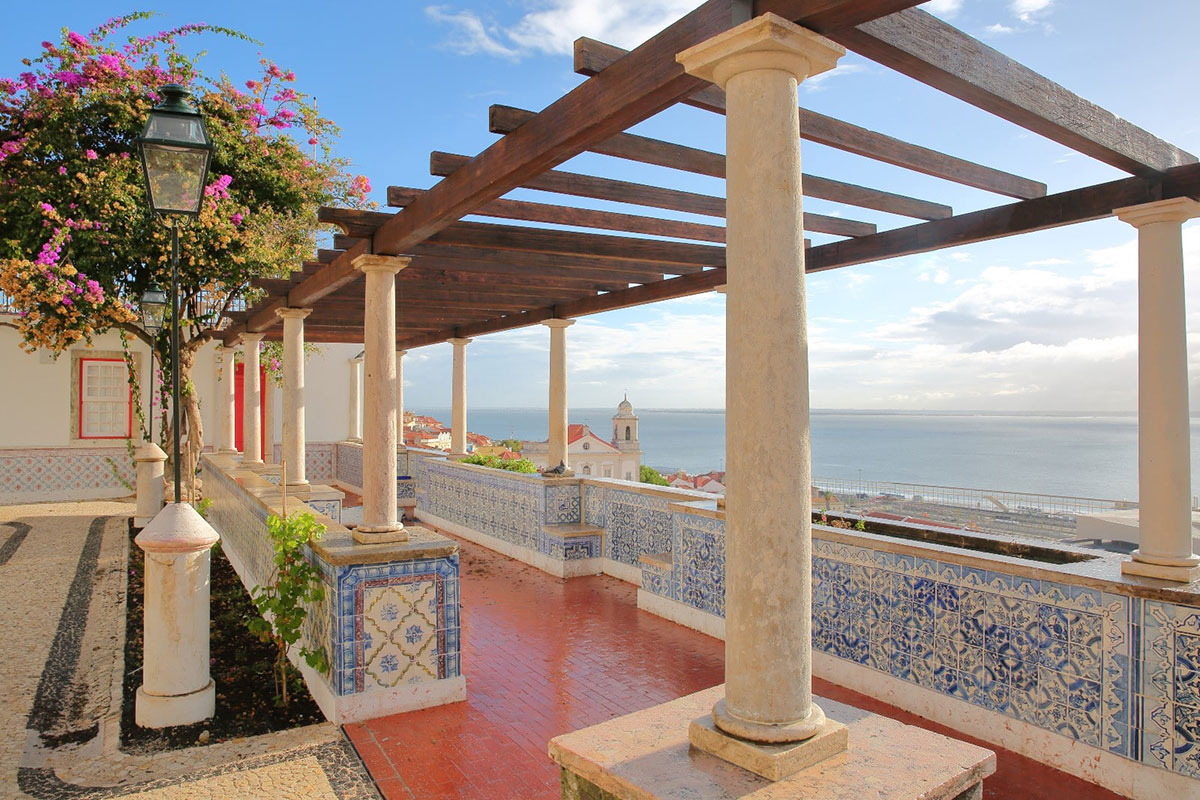 Miradouro de Santa Luzia offers one of Lisbon’s most romantic viewpoints, where tiled walls, flowering vines, and river views create a postcard-perfect scene.
Don’t worry about getting lost. That’s half the fun. Every twist and turn reveals a surprise: a painted doorway, a hidden bar, or a local giving you directions with a smile.
5. Enjoying Free Things to Do in Lisbon
Who says you need a big budget to enjoy Lisbon? There are tons of free things to do in Lisbon that let you soak up the culture without draining your wallet. And honestly, some of the best experiences are the ones you don’t pay for.
Start with the viewpoints (miradouros). Lisbon is famous for them, and each offers a different angle on the city. Miradouro da Graça is great at sunset. Bring a bottle of wine, some snacks, and enjoy the skyline light up.
 Experience breathtaking sunsets at Miradouro da Graça.
Explore the street art of Lisbon, especially in the neighborhoods of Amoreiras and Marvila. Many murals are part of curated art initiatives that breathe life into forgotten walls.
 Discover vibrant street art at the Amoreiras Wall of Fame.
Head to Museu Coleção Berardo in Belém on Saturdays—it’s free and full of modern and contemporary masterpieces. Or visit MAAT on the first Sunday of the month.
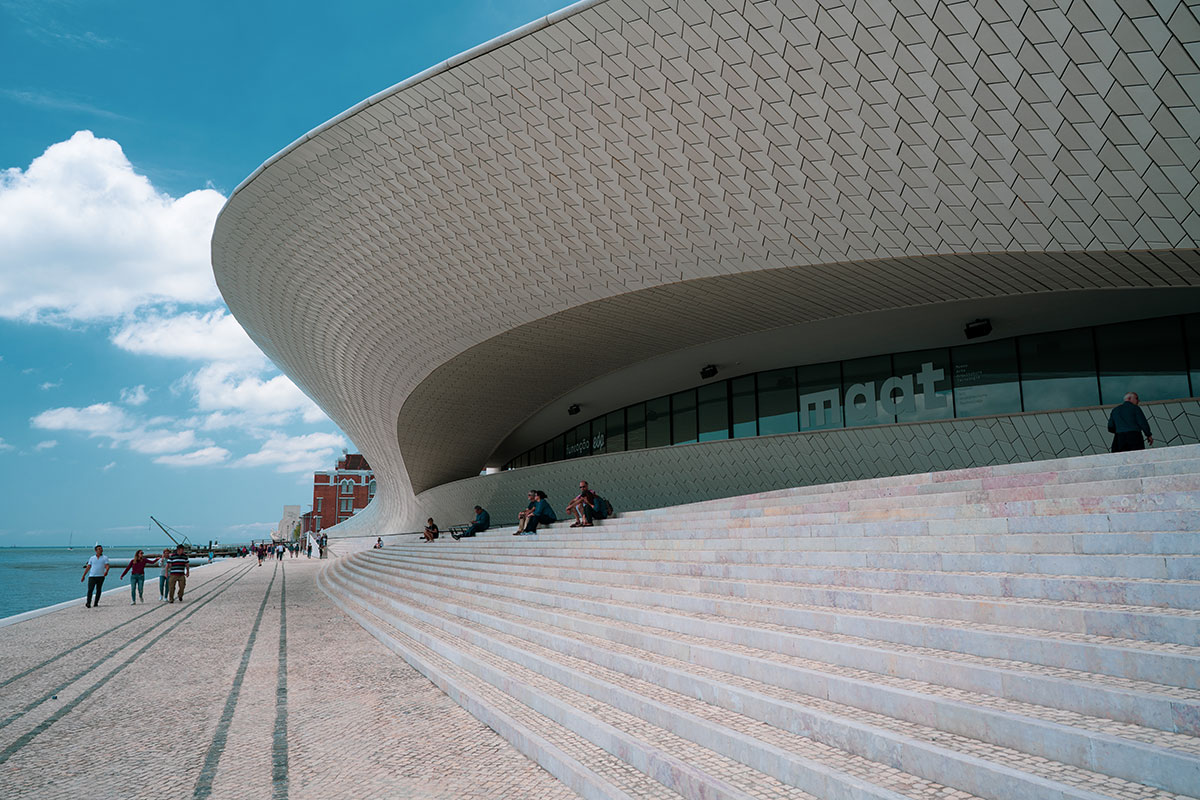 MAAT Museum showcases art, architecture, and technology.
Looking for live music? Wander around Bairro Alto or Alfama in the evenings. You’ll often find free Fado performances drifting from small taverns. Respectful listening is a must—Fado is soulful and sacred to locals.
Also, many of Lisbon’s historic churches, like Igreja de São Roque, are open to visitors and showcase baroque interiors for free. It’s culture, beauty, and spirituality in one.
6. Lisbon is a Digital Nomad Paradise
If you're a remote worker looking for a base in Europe, Lisbon is tailor-made for digital nomads. With over 300 days of sunshine, a relatively low cost of living compared to other European capitals, and a buzzing entrepreneurial scene, it’s no surprise Lisbon ranks high on every digital nomad’s radar.
Neighborhoods like Cais do Sodré, Príncipe Real, and Alfama are filled with cozy cafés, coworking spaces, and pop-up events geared toward creatives and freelancers. Spaces like Second Home and Impact Hub Lisbon not only provide fast Wi-Fi and ergonomic desks, but they also create communities through talks, yoga sessions, and happy hours.
But it's not all work. Lisbon offers a perfect work-life balance. Take your Zoom calls in the morning and hit the beach in the afternoon. The Linha de Cascais (Cascais train line) takes you from city center to seaside in under 30 minutes. And if you're staying for a while, Portugal’s digital nomad visa and D7 residency options make it even easier.
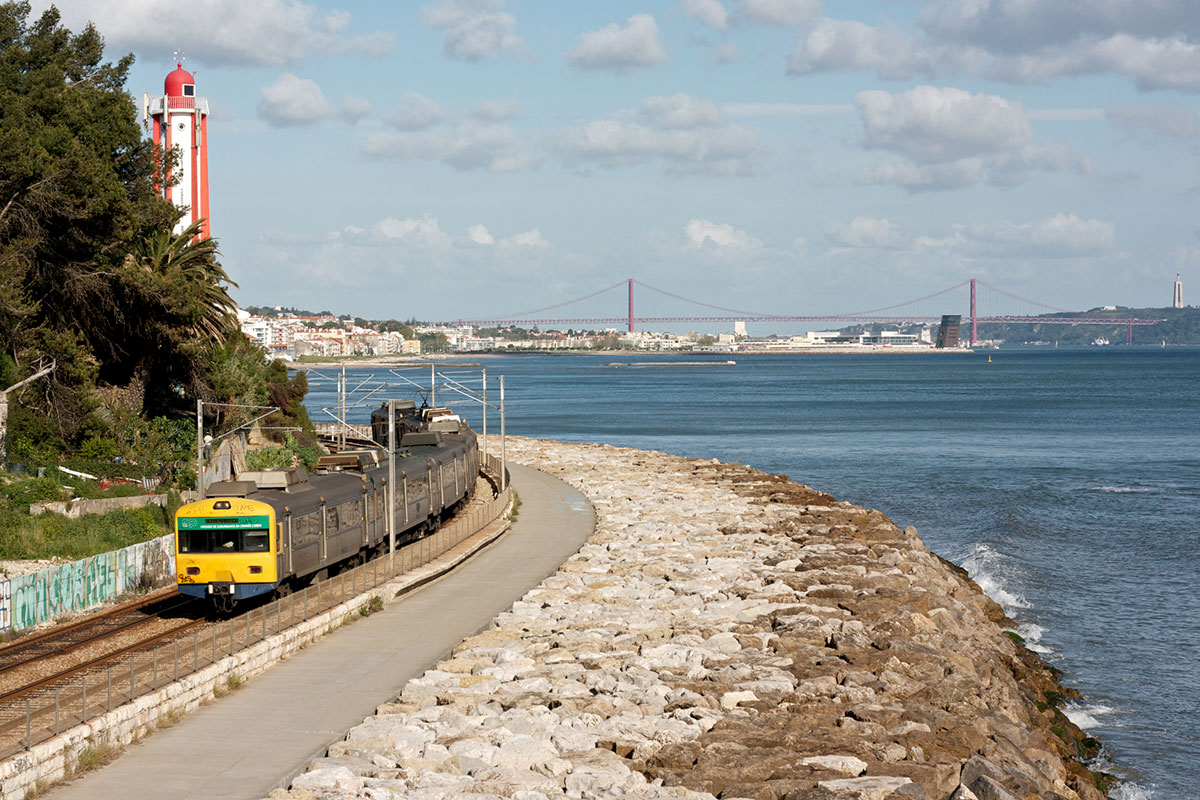 The Linha de Cascais offers one of Portugal’s most picturesque train rides—connecting Lisbon to the coast with stunning Atlantic views along the way.
Lisbon also stands out for its inclusive vibe. People are generally warm, fluent in English, and open to new cultures. Plus, many cafés like Hello Kristof or The Mill are remote-work-friendly, offering outlets, good coffee, and a quiet environment—essentials for digital nomad life.
Whether you’re networking at a startup incubator, attending a tech meet-up, or just soaking in the city’s views between emails, Lisbon makes remote work feel like a dream.
7. Lisbon is Incredibly LGBTQ+ Friendly
Lisbon has earned a strong reputation as one of Europe’s most LGBTQ+ friendly cities. With a vibrant queer community, progressive policies, and an inclusive atmosphere, it’s a safe and welcoming destination for travelers of all identities.
You’ll find LGBTQ+-owned and -friendly businesses across the city, especially in neighborhoods like Bairro Alto and Príncipe Real. The latter is considered Lisbon’s LGBTQ+ heart, packed with stylish bars, cafes, and concept stores. For nightlife, places like Trumps, Finalmente Club, and Bar 106 are legendary, hosting drag shows, DJ sets, and all-night dance parties.
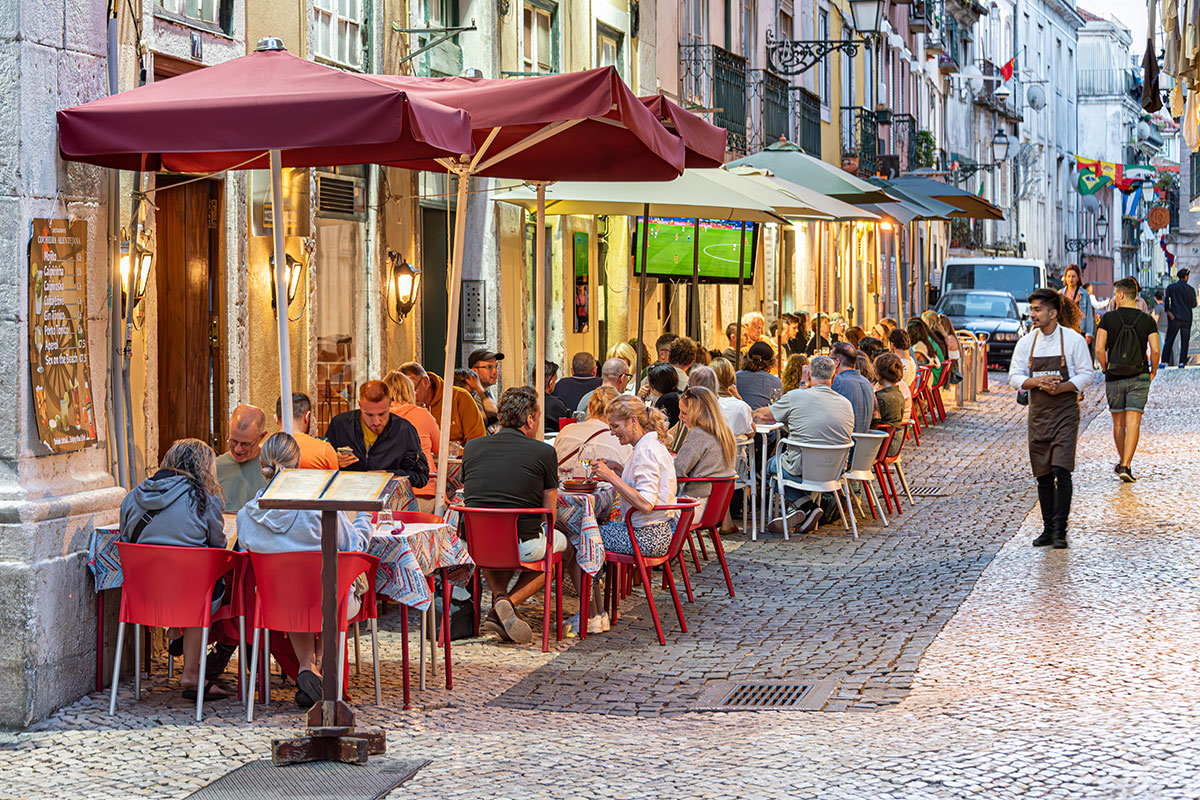 Bairro Alto comes alive with music and energy after dark.
But inclusivity in Lisbon isn’t limited to nightlife. The city hosts Lisbon Pride, an energetic celebration of diversity that draws thousands every June, and Queer Lisboa, a renowned LGBTQ+ film festival. Public attitudes are overwhelmingly accepting, and the general vibe is live-and-let-live.
For travelers, this means peace of mind. You can be yourself—whether traveling solo, with a partner, or part of a group. Hotels and guesthouses are generally welcoming, but a little research can help you find properties that specifically cater to LGBTQ+ guests.
Portugal’s progressive laws (including same-sex marriage since 2010 and strong anti-discrimination protections) add an extra layer of safety. Lisbon’s LGBTQ+ friendliness goes beyond tolerance—it’s about celebration, community, and genuine hospitality.
8. Ideal for Solo Travelers Seeking Connection
Solo travel in Lisbon is a rewarding experience, especially if you value freedom, spontaneity, and authentic local interactions. Lisbon is safe, compact, and full of opportunities to connect with both locals and fellow travelers.
The city’s warm, laid-back energy makes it easy to strike up conversations—whether it’s with your host at a guesthouse, a vendor at the Mercado da Ribeira, or someone next to you on a tram. English is widely spoken, which lowers barriers for solo adventurers.
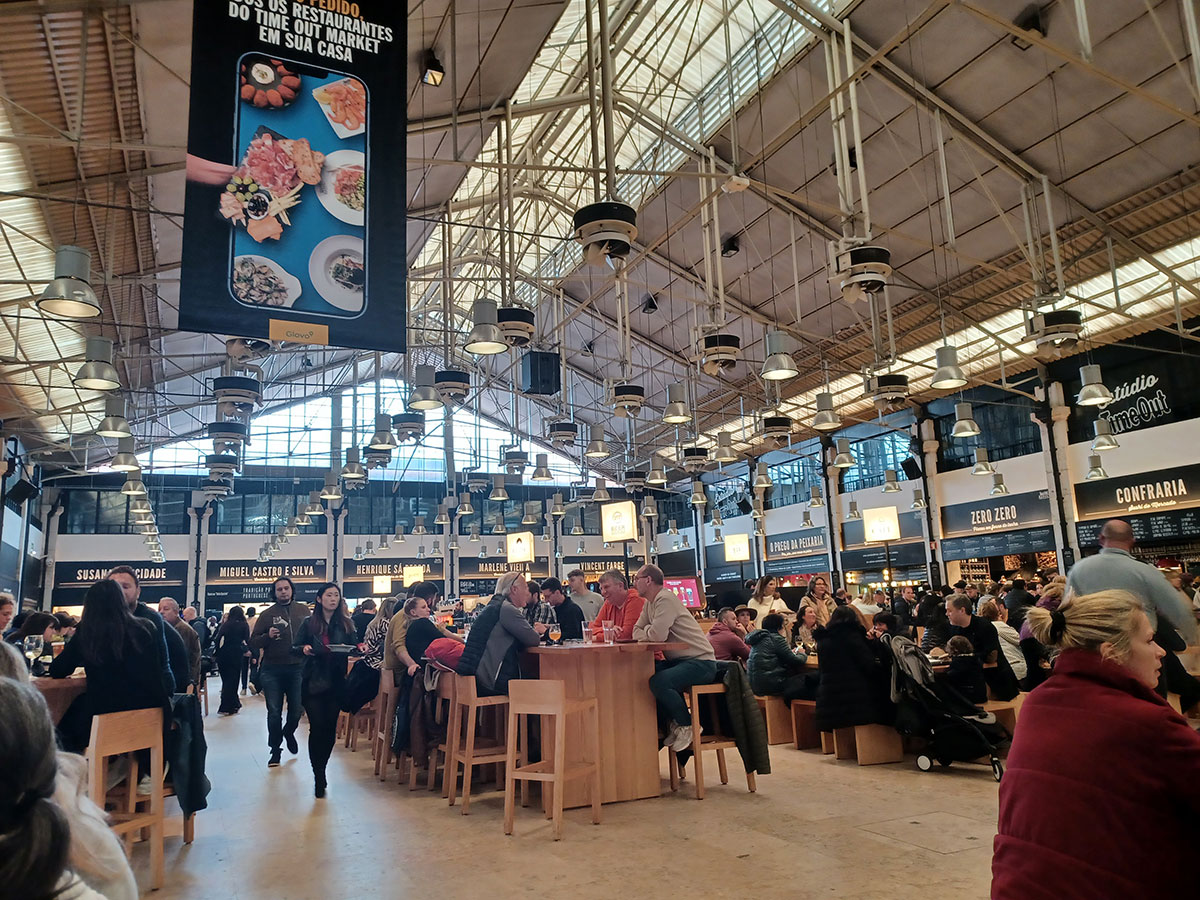 The Ribeira Market’s food hall—also known as Time Out Market—is a culinary hotspot where Lisbon’s top chefs, flavors, and food lovers come together under one roof.
The best part? Lisbon never makes you feel alone. You can wander through Alfama listening to Fado at night, sip coffee in Chiado while people-watching, or join a free walking tour that ends with new friends at a rooftop bar. These are not just tours—they’re doorways into Lisbon’s rhythm.
For a deeper connection, consider taking a local-led cooking class, attending a Fado dinner in someone’s home, or joining a sunset sailing tour on the Tagus. Many of these are available on Toursxplorer.com, offering a safe, personal, and culturally rich experience.
 Sailing the Tagus at sunset is pure Lisbon magic—shared laughter, golden light, and unforgettable moments on the water with friends.
And when you need solitude, Lisbon gives you that too. Head to Jardim da Estrela, sit on a bench with your journal, and let the scent of jacaranda trees drift around you. Lisbon understands both your social and introspective sides.
9. A Romantic Getaway That’s Unforgettable
Looking for a romantic getaway in Lisbon? Whether it’s a honeymoon, anniversary, or spontaneous escape, Lisbon delivers charm, intimacy, and jaw-dropping views perfect for two.
Imagine wandering hand-in-hand through Alfama at sunset, the golden light bouncing off azulejo-tiled walls. Or sipping Ginjinha from a tiny bar in Rossio Square before heading to a candlelit Fado show. Lisbon is made for romance.
For panoramic romance, take the Elevador da Bica to see the colorful hills unfold beneath you. Then stroll up to Miradouro de São Pedro de Alcântara and watch the city glitter as day turns to night. Add a bottle of Portuguese wine, and you've got a scene straight out of a movie.
 The Elevador da Bica offers a charming ride through one of Lisbon’s most iconic and photogenic streets—an unmissable experience for visitors.
Couples will love staying in charming boutique hotels in Chiado or Príncipe Real, where modern luxury meets old-world flair. Book a sunset sailing tour on the Tagus River or a day trip to Sintra, where fairy-tale castles and lush forests make a dreamy escape.
And for those intimate dining moments, Lisbon has countless romantic restaurants. Think rooftop dining at Zambeze, cozy meals in hidden courtyards, or seafood feasts by the river in Cais das Colunas.
Every corner of Lisbon offers something sensuous, thoughtful, and deeply memorable for couples.
10. Lisbon Welcomes Families with Open Arms
Don’t let the hills fool you—family travel in Lisbon is not only doable, it’s delightful. The city is safe, clean, and filled with kid-friendly attractions that also keep adults engaged.
Start with the Oceanário de Lisboa, one of the largest aquariums in Europe. It’s both educational and enchanting for children. Right nearby is Parque das Nações, a riverside zone with wide walkways, cable cars, and plenty of room to run and explore.
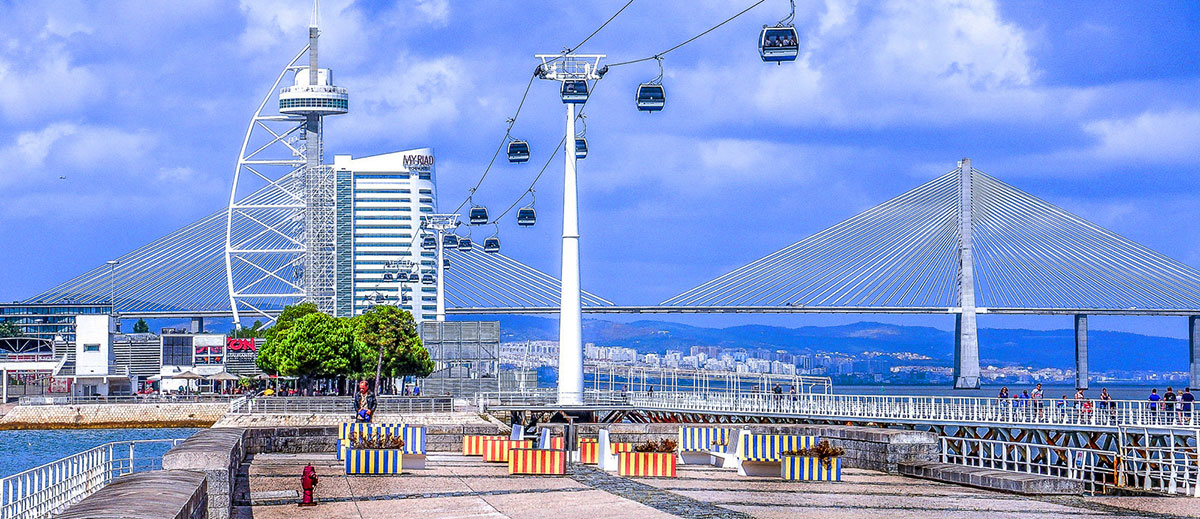 Parque das Nações showcases Lisbon’s contemporary side—where futuristic architecture meets scenic waterfront paths and family-friendly attractions.
Older kids will enjoy the Tram 28 ride, a fun and historic way to tour the city. Stop at Castelo de São Jorge for an afternoon of castle exploration and city views. For a low-key day, ride the Ascensor da Glória funicular, then have a picnic at Miradouro de São Pedro de Alcântara.
Lisbon’s restaurants are very family-friendly—don’t be surprised if a chef brings a treat to your child. And public spaces like Jardim da Estrela and Eduardo VII Park offer plenty of green space to play.
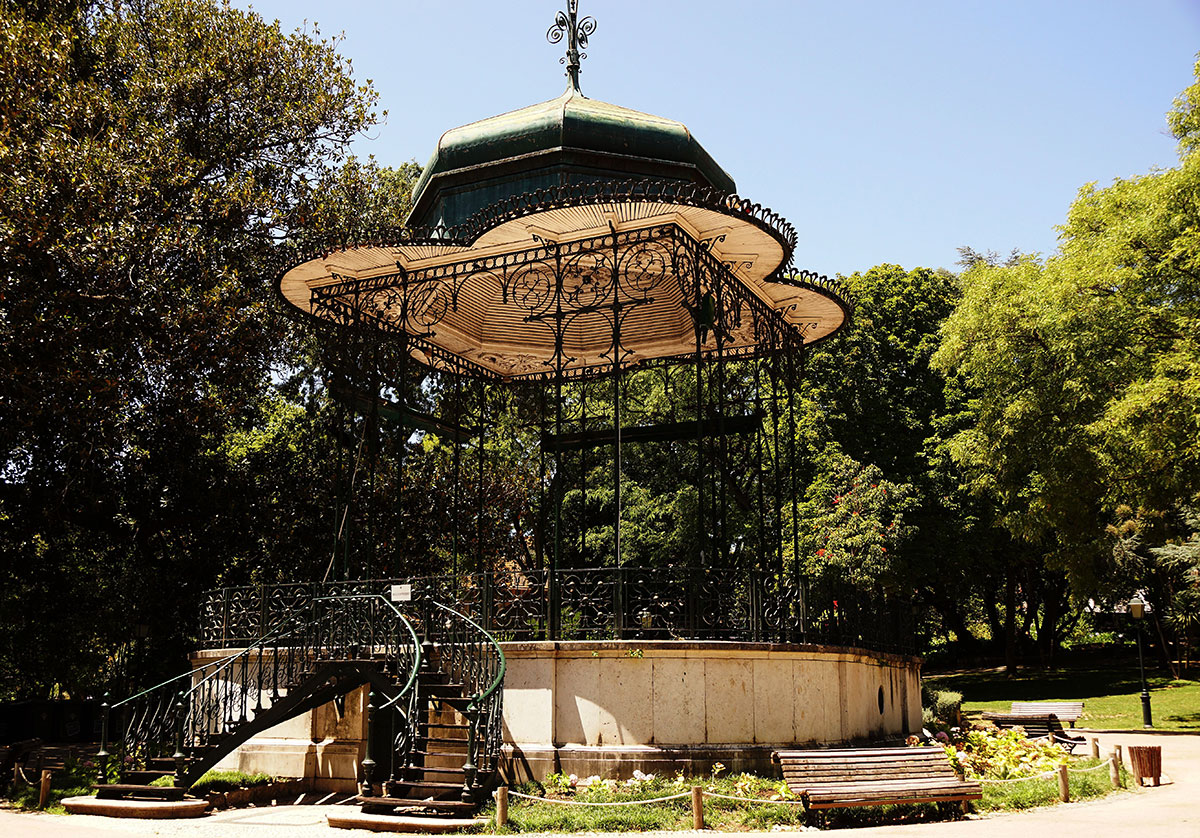 Jardim da Estrela is a perfect spot for relaxation and family outings.
Many hotels offer family rooms or connecting suites, and Airbnb is a solid option for space and kitchens. Getting around is easy with baby strollers, especially using metro elevators and flat areas like Belém.
Lisbon’s warmth isn’t just in its sunshine—it’s in its people. Families are cherished here, and you’ll feel it in every welcoming smile.
11. The Best Lisbon Local Tips Only Insiders Know
Let’s be honest—guidebooks can only take you so far. To truly live like a local, you need the kind of Lisbon local tips that residents pass on over coffee, not through Instagram filters. These gems can elevate your Lisbon trip from touristy to transformative.
Timing matters. Lisbon’s most magical hours are early morning and golden sunset. Wake up with the city, stroll through empty Alfama streets, and watch the fog lift off the Tagus. Or grab a drink and head to a miradouro around 6 PM. Locals always aim for sunset views—and the best ones go early to snag a spot.
Skip the touristy pastéis de nata from Belém and head to Manteigaria in Chiado or Time Out Market. Locals swear by the flaky texture and warm custard served fresh from the oven.
 Lisbon’s iconic Pastel de Nata—a crispy, custard-filled pastry that’s best enjoyed warm and fresh from the oven.
Avoid the tram queues by taking the tram from the first stop in Campo de Ourique or using it in the evening after the crowds thin out. Better yet, walk or rent a bike for the riverside route from Cais do Sodré to Belém—flat, scenic, and very local.
Drink Ginjinha like a local. Don't order it at the tourist traps. Go to A Ginjinha near Rossio Square, where they serve it in a plastic cup with a cherry at the bottom. Sip it standing in the street like everyone else—it’s a rite of passage.
 A Ginjinha near Rossio Square is a beloved Lisbon institution—serving up the city’s iconic cherry liqueur in a shot glass, often with a cherry at the bottom.
And when it comes to dining, avoid restaurants with photos on the menu or hawkers outside. Look for places with handwritten chalkboards, old wooden chairs, and mostly Portuguese conversations happening inside. That’s your golden ticket.
Want deeper immersion? Browse local markets like Mercado de Campo de Ourique or Mercado do Forno do Tijolo. Talk to vendors, sample cheese or sardines, and soak in everyday Lisbon life.
12. Exploring Lisbon’s Historic Neighborhoods
Lisbon is not one monolithic city—it’s a mosaic of contrasting neighborhoods, each with its own soul and rhythm. Understanding these historic zones can help you tailor your itinerary to match your vibe.
Alfama, the oldest neighborhood, is all winding alleys, hanging laundry, and Fado echoing through the stone walls. Perfect for history buffs and romantics. Time slows down here.
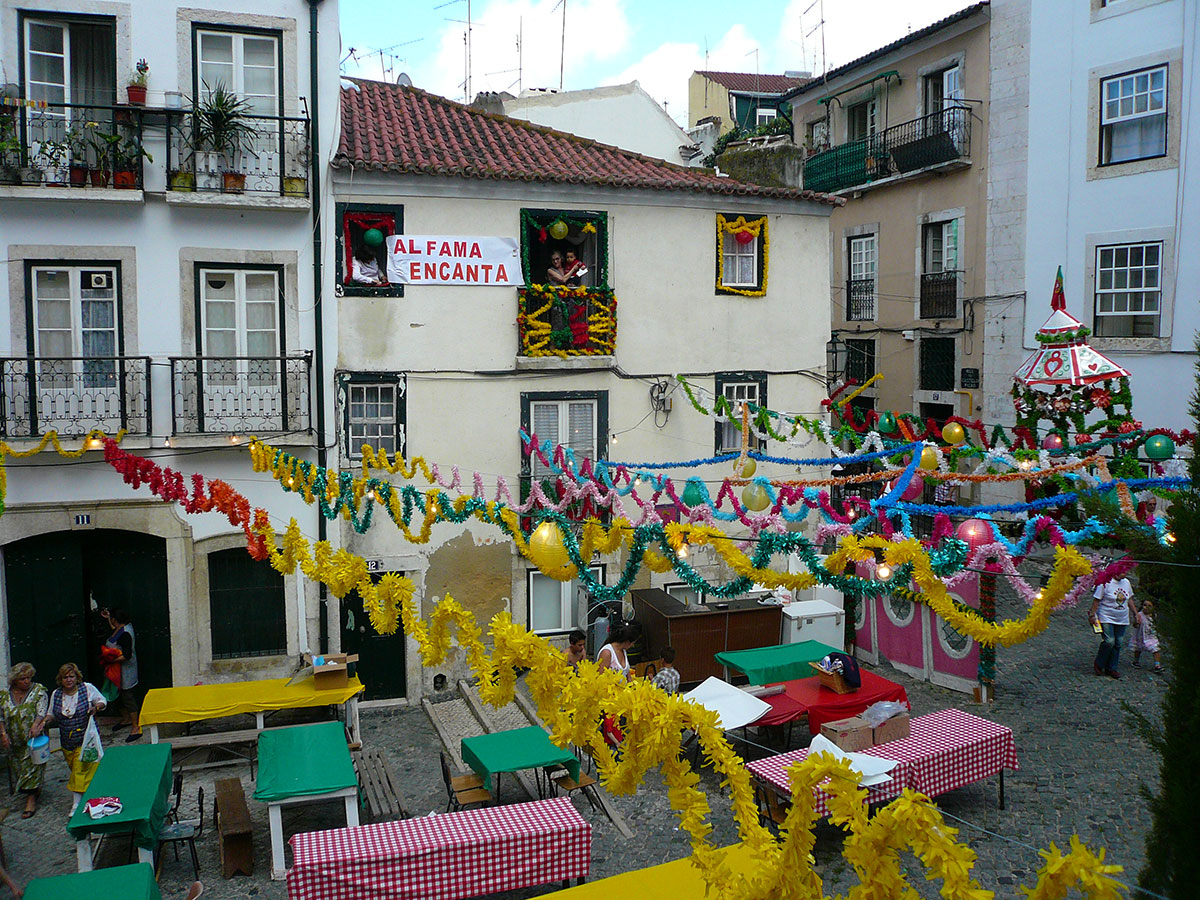 Alfama comes alive during the Santo António celebrations in June—bursting with music, dancing, grilled sardines, and vibrant decorations that fill the historic neighborhood with joy.
Bairro Alto, by contrast, wakes up when the sun goes down. If nightlife is your thing—cocktail bars, rooftop lounges, and live music spilling into the street—this is your neighborhood. It’s especially popular among the LGBTQ+ friendly Lisbon crowd.
Chiado is the cultural heart. Home to theaters, bookstores, and boutique shops, it’s where Lisbon dresses up a little. Think Parisian elegance with a Portuguese twist.
Príncipe Real is trendy, upscale, and inclusive—a favorite for digital nomads and young couples. Full of concept stores, leafy parks, and some of the best brunch spots in the city.
 Príncipe Real offers a blend of chic boutiques and serene parks.
Graça offers a more local, working-class vibe but with stunning views. Climb up here for fewer tourists and a real sense of Lisbon life. It’s also a great place to explore off the beaten path Lisbon trails.
And don't forget Belém—great for families and history lovers. Between the Jerónimos Monastery, MAAT museum, and riverside esplanades, it’s both relaxed and rich with stories.
Each neighborhood tells a different tale. Listen closely, and Lisbon will whisper its secrets.
13. Day Trips That Expand Your Lisbon Experience
While Lisbon has enough to keep you busy for weeks, its surrounding areas offer incredible off the beaten path Lisbon adventures perfect for day trips.
First stop: Sintra. Just 40 minutes by train, it’s a UNESCO World Heritage site filled with mystical forests, colorful palaces like Palácio da Pena, and ancient ruins like the Moorish Castle. It’s romantic, surreal, and ideal for nature lovers or a romantic getaway Lisbon escape.
 Palácio da Pena is a fairytale castle above Sintra—famous for its vibrant colors, romantic architecture, and sweeping views over the Portuguese countryside.
Head west to Cascais, a charming seaside town with beaches, seafood restaurants, and bike paths along the coast. It's great for families and solo travelers alike. Make a pit stop at Boca do Inferno, a dramatic cliff formation where waves crash into caves.
For wine lovers, venture north to the Setúbal Peninsula, known for its Moscatel wines and wild dolphin watching. You can also explore the Arrábida Natural Park, with crystal-clear waters and hiking trails for the adventurous.
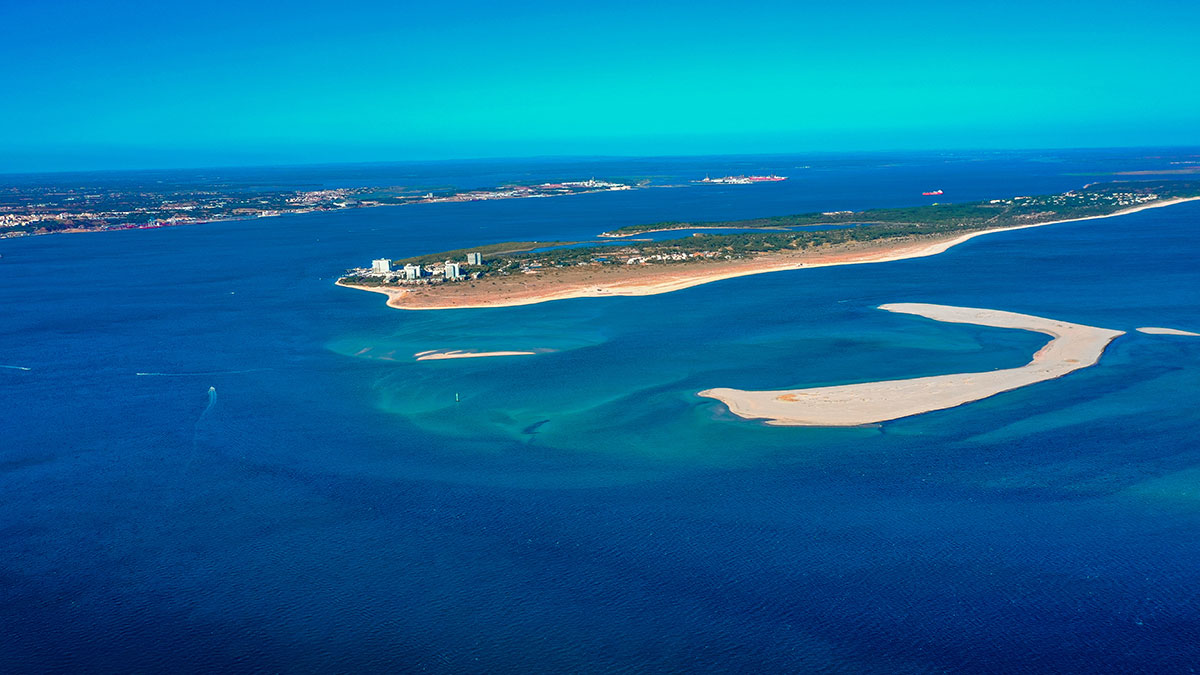 The Tróia Peninsula is a pristine escape just south of Lisbon—offering crystal-clear beaches, natural beauty, and a peaceful retreat from the city.
Craving something totally off-grid? Explore Alentejo’s hilltop villages, or head south to Costa da Caparica, a beach town with fewer tourists and lots of surf. It’s easily reachable by bus and great for a low-key day under the sun.
These trips are not just about new places—they expand your understanding of Portugal’s rich tapestry. All are accessible by public transport, which keeps things sustainable and stress-free.
14. Navigating Lisbon’s Weather and What to Pack
Before you board that plane, let’s talk about Lisbon’s weather—because packing smart can make or break your trip.
Lisbon enjoys a Mediterranean climate, meaning hot, dry summers and mild, rainy winters. The best times to visit? April to June and September to November—you’ll dodge the peak tourist season and get pleasant weather perfect for those Lisbon walking routes.
In summer, pack lightweight clothes, a refillable water bottle (stay sustainable!), sunglasses, and sunscreen. The sun is strong, and those hills will have you sweating fast. Add a light scarf or shawl for church visits or breezy nights.
Winter is mild but can be rainy. Bring a compact umbrella, a light jacket, and waterproof shoes. Layering is key—Lisbon mornings can be chilly, but afternoons often warm up.
One key item: comfy walking shoes with grip. Lisbon’s iconic cobblestone sidewalks—calçada portuguesa—are charming but slippery, especially when wet. Heels or smooth soles? Forget it.
Don’t forget a daypack for snacks, a reusable shopping bag for markets, and a small power bank—Google Maps and spontaneous photo ops will drain your battery fast.
Lisbon is casual-chic. You don’t need to dress up, but a nice outfit or two will serve you well for dinners or Fado shows. And locals love a good coat in winter—it’s Lisbon’s unofficial fashion statement.
15. Booking Local Experiences with Toursxplorer.com
Now that you’re excited (and well-informed), it’s time to turn plans into reality. If you're looking for truly authentic Lisbon experiences, there’s one name to remember: Toursxplorer.com.
This platform isn’t about mass-market tours or bland sightseeing. It specializes in local-led, culturally immersive experiences that align with everything we’ve discussed—sustainable travel Lisbon, responsible tourism Lisbon, and authentic adventures off the beaten path.
Want a street art tour with the artist themselves? A private wine tasting in an undiscovered cellar? A hands-on cooking class in a local’s home kitchen? Toursxplorer curates it all. They connect travelers with people, not just places.
They also cater to a wide range of travelers—solo adventurers, families, LGBTQ+ couples, and even digital nomads in Lisbon looking for after-work excursions. Each tour includes real stories, real neighborhoods, and real connections.
 Lisbon’s riverside charm and laid-back lifestyle make it a top destination for digital nomads—where work, inspiration, and stunning views go hand in hand.
Booking is easy, prices are fair, and the company is committed to ethical tourism. A portion of their earnings supports community projects and sustainability efforts in Lisbon. So not only do you explore, but you contribute.
Your trip to Lisbon isn’t just a vacation—it’s a chance to be part of something bigger. Let Toursxplorer.com be your gateway.
Conclusion
Lisbon is a city of contradictions—old yet modern, relaxed yet vibrant, intimate yet expansive. It's a place where solo travelers find connection, couples rediscover romance, and families make lifelong memories. With its layered neighborhoods, warm people, and deep cultural roots, it invites you not just to visit, but to belong.
And with so many sustainable, authentic, and budget-friendly ways to experience it, there’s no reason not to dive deep. Whether you’re wandering ancient alleys, sipping wine by the river, or booking a once-in-a-lifetime experience through Toursxplorer.com, your Lisbon journey will be more than a trip—it’ll be a story worth telling.
FAQs
1. What’s the best time of year to visit Lisbon?
April to June and September to November offer great weather, fewer crowds, and ideal conditions for walking and sightseeing.
2. Is Lisbon safe for solo travelers?
Yes, Lisbon is one of Europe’s safest capitals. It’s very welcoming for solo travelers, including women and LGBTQ+ visitors.
3. Are there many free things to do in Lisbon?
Absolutely! From viewpoints and street art to museums on free-entry days, Lisbon offers tons of no-cost experiences.
4. Can I work remotely from Lisbon?
Yes! Lisbon is a top destination for digital nomads, offering coworking spaces, fast internet, and a vibrant expat community.
5. What’s the best way to explore local Lisbon experiences?
Book with Toursxplorer.com for curated, sustainable tours led by locals who know the real Lisbon inside out.