10 Things You Should Know Before Visiting Óbidos: A Medieval Gem in Portugal
1. Óbidos is a Walled Medieval Town
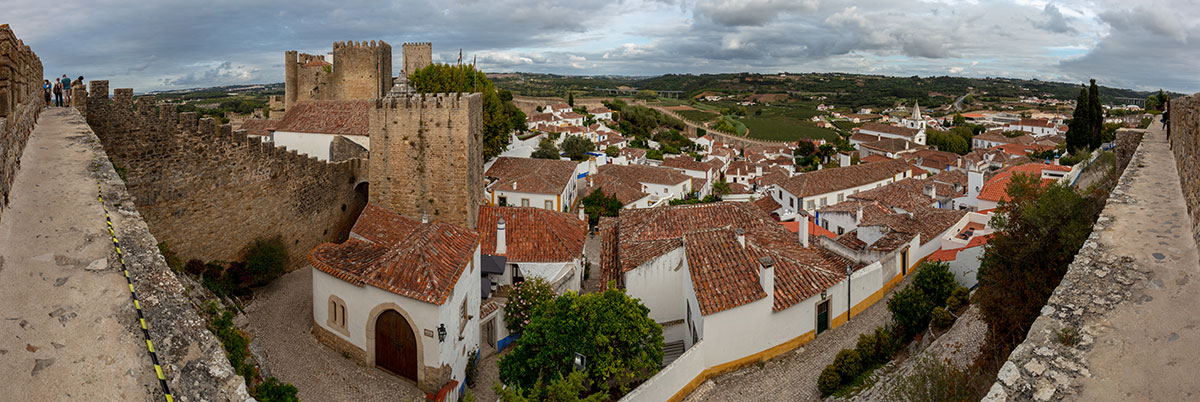 The picturesque medieval town of Óbidos, encircled by its ancient walls.
Step into a fairytale the moment you pass through the grand gates of Óbidos, one of Portugal’s best-preserved medieval towns. Nestled in the hills just an hour north of Lisbon, Óbidos welcomes travelers with its cobblestone streets, whitewashed houses trimmed with vibrant blues and yellows, and the scent of blooming bougainvillea. What makes this town particularly captivating is its ancient wall that still encircles the town center—a living, breathing piece of history dating back to Roman times and reinforced during the Moorish occupation.
Once the wedding gift of King Dinis to Queen Isabel in the 13th century, Óbidos has long held romantic appeal, making it an ideal destination for couples. It’s small enough to explore in a day but rich enough in ambiance and stories to linger in your memory for a lifetime. Walking through the town feels like stepping into a history book—except here, the pages are alive, bustling with cozy cafes, boutique shops, and historical treasures.
2. The Walls are a Must-Do (and Have Rules)
There’s something magical about standing atop the walls of Óbidos and gazing across the rolling Portuguese countryside. This walkable wall is one of the town’s signature experiences and offers unparalleled views of terra-cotta rooftops, distant vineyards, and the Atlantic breeze. But before you go dashing up the stone stairs with camera in hand, here are a few things to know.
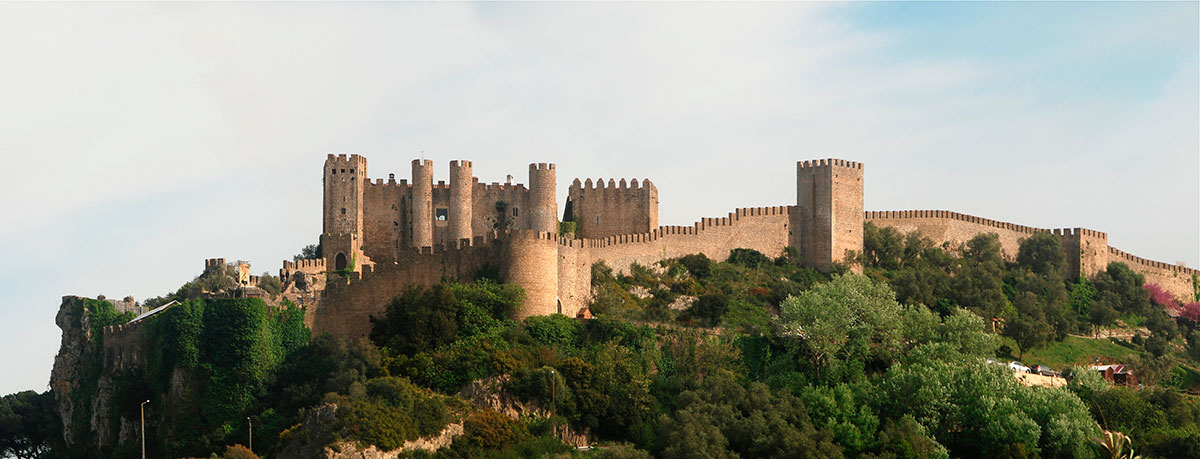 Experience breathtaking views as you walk the historic walls of Óbidos.
First, safety. The wall has no handrails in many sections, so it’s not suitable for everyone—especially those with mobility issues or a fear of heights. Sturdy shoes are a must, and it's best to avoid this activity with young children unless you're extra cautious. Entry to the wall is free, with several access points dotted around the town. The most popular start is near Porta da Vila, the town’s main gate.
Walking the walls takes about 45 minutes to an hour, depending on how often you stop for photos or to soak in the views. And trust us—you’ll want to stop often. The shifting perspectives of Óbidos’ charm from up high are worth every cautious step.
Ready to experience these breathtaking views? Book your wall walk experience with ToursXplorer!
3. Ginjinha is the Local Liqueur (Served in Chocolate!)
Let’s talk about a sweet surprise that every visitor to Óbidos must try: Ginjinha. This ruby-red liqueur is made from sour cherries (ginja berries) infused with alcohol and sugar. It’s sweet, slightly tart, and packs a little punch—traditionally served in a small edible chocolate cup that adds a decadent twist.
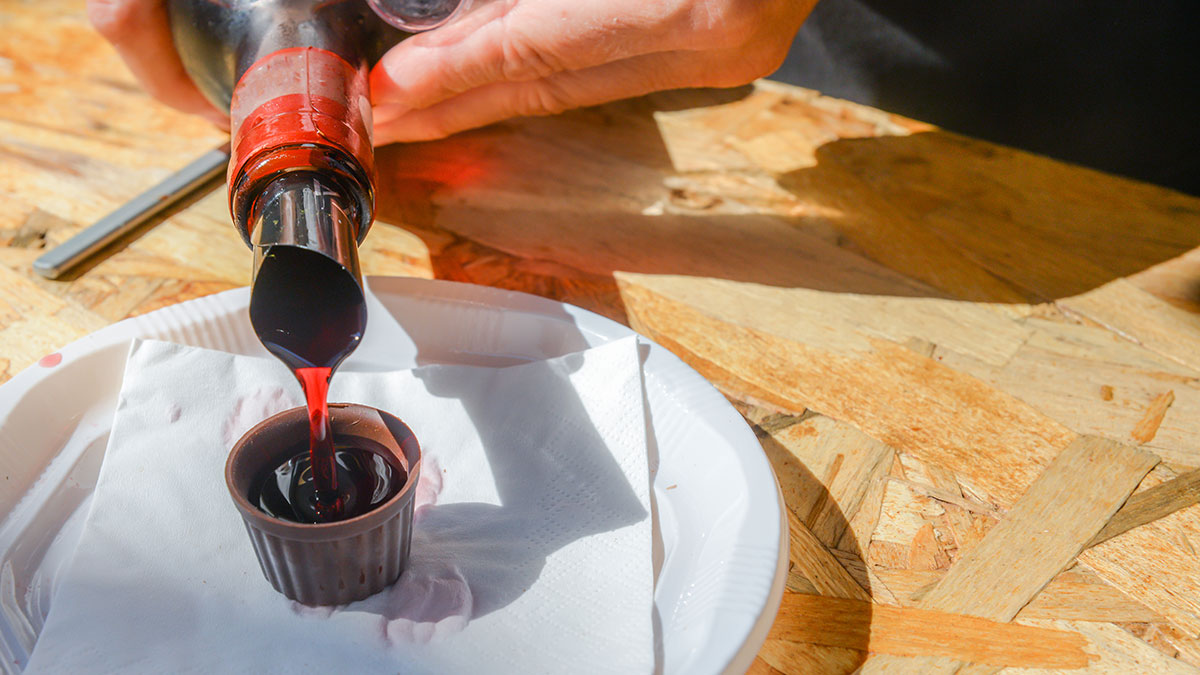 Savor the local cherry liqueur, Ginjinha, served in delightful chocolate cups.
You’ll find Ginjinha vendors along Rua Direita and in the main square, many of whom pour with a flourish and offer a warm smile. Sampling it while strolling through town is practically a rite of passage for visitors and a delightful way to take in the flavors of Portugal.
The tradition dates back centuries, originally made in monasteries and passed down through generations. Today, it’s become a symbol of hospitality and a celebration of local craft. And let’s be honest, who can resist a combination of liqueur and chocolate?
Join a guided tasting tour through ToursXplorer and discover more local delicacies along with your Ginjinha experience!
4. Rua Direita is the Main Street (and Can Get Crowded)
Rua Direita is the beating heart of Óbidos—an enchanting main street that stretches from Porta da Vila to the foot of the castle. Lined with charming shops, artisanal boutiques, cozy taverns, and cafes, this is where most of the action happens. Picture narrow cobblestone paths, flower-draped balconies, and medieval signage that gives a nod to centuries gone by.
 Stroll through Rua Direita, the vibrant heart of Óbidos.
You can browse handmade crafts, pick up some locally made ceramics, or sample pastries like the famed “travesseiros de Óbidos.” There’s no shortage of Instagram-worthy spots either, from intricately painted tile facades to rustic doorways that seem straight out of a storybook.
However, be prepared: Rua Direita can get quite crowded, especially in peak season or during festivals. Early morning or late afternoon visits are ideal if you want to soak in the atmosphere with a bit more elbow room. Better yet, stay overnight in town and enjoy the peacefulness that returns once the day-trippers leave.
Explore Óbidos like a local—book your insider walking tour on ToursXplorer!
5. Óbidos Literary Village
Óbidos isn’t just a feast for the eyes—it’s a haven for the mind, too. In 2015, the town was officially designated a UNESCO Creative City of Literature, and for good reason. Bookstores are nestled in every nook and cranny, from old churches converted into reading sanctuaries to wine cellars lined with literary classics.
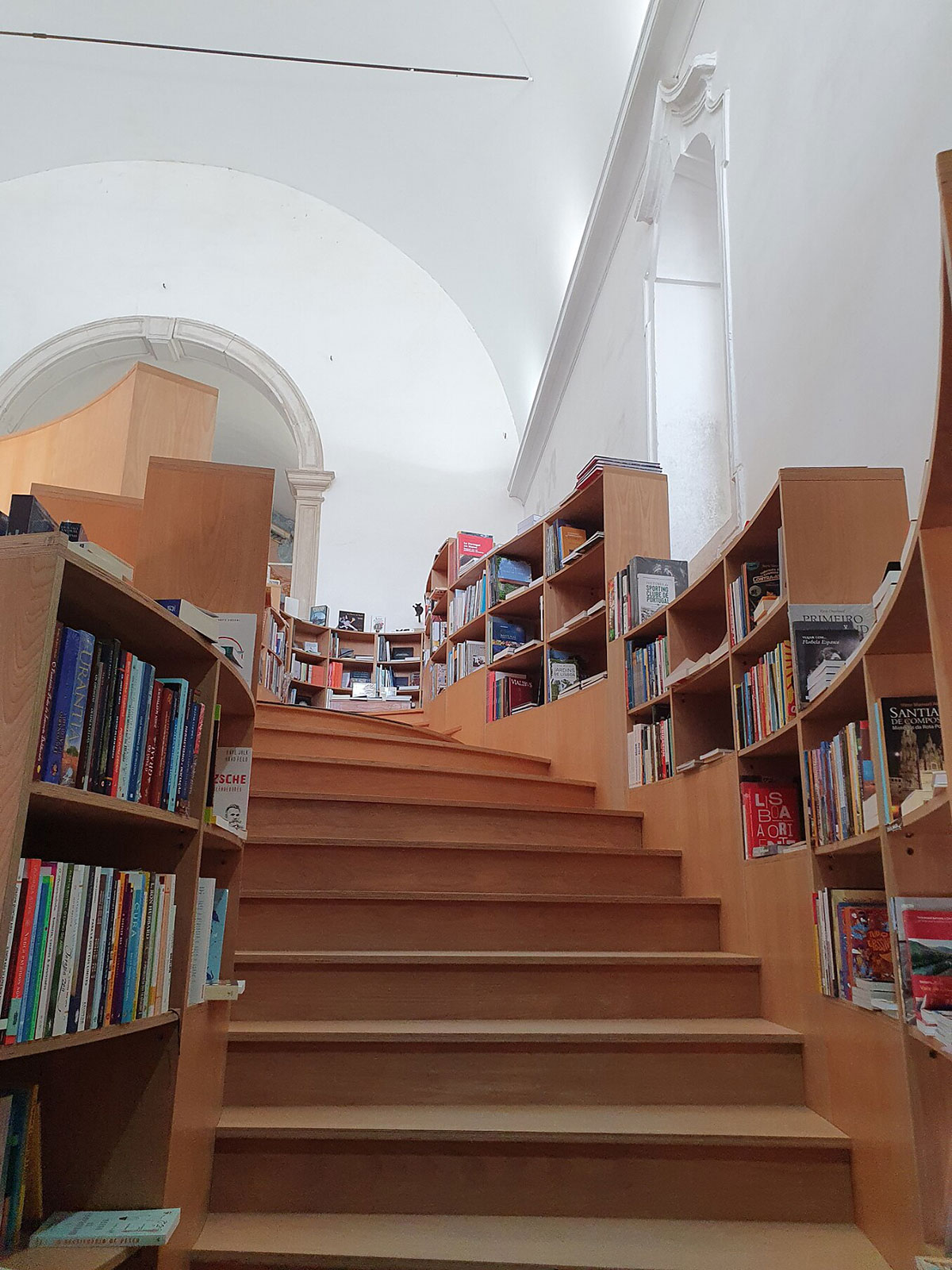 Discover literary treasures in the unique setting of Livraria de Santiago.
One of the standout spots is the Livraria Santiago, located inside a deconsecrated church. Picture pews filled with books, gothic architecture infused with literary energy, and a sense of reverence that appeals to both spiritual and intellectual pilgrims. There’s also the charming bookshop-and-bar hybrids where you can sip wine and lose yourself in a novel—because in Óbidos, reading is a celebration.
Throughout the year, the town hosts literary festivals and events that draw book lovers from around the world. Whether you’re a hardcore bibliophile or just appreciate a good story, Óbidos’ literary charm adds a unique layer to your visit.
6. Key Landmarks Beyond the Walls
While the medieval walls and charming streets are enough to captivate any visitor, Óbidos holds even more treasures beyond its iconic stone barriers. The town is home to several must-see historical landmarks that tell the story of Portugal’s rich and complex past.
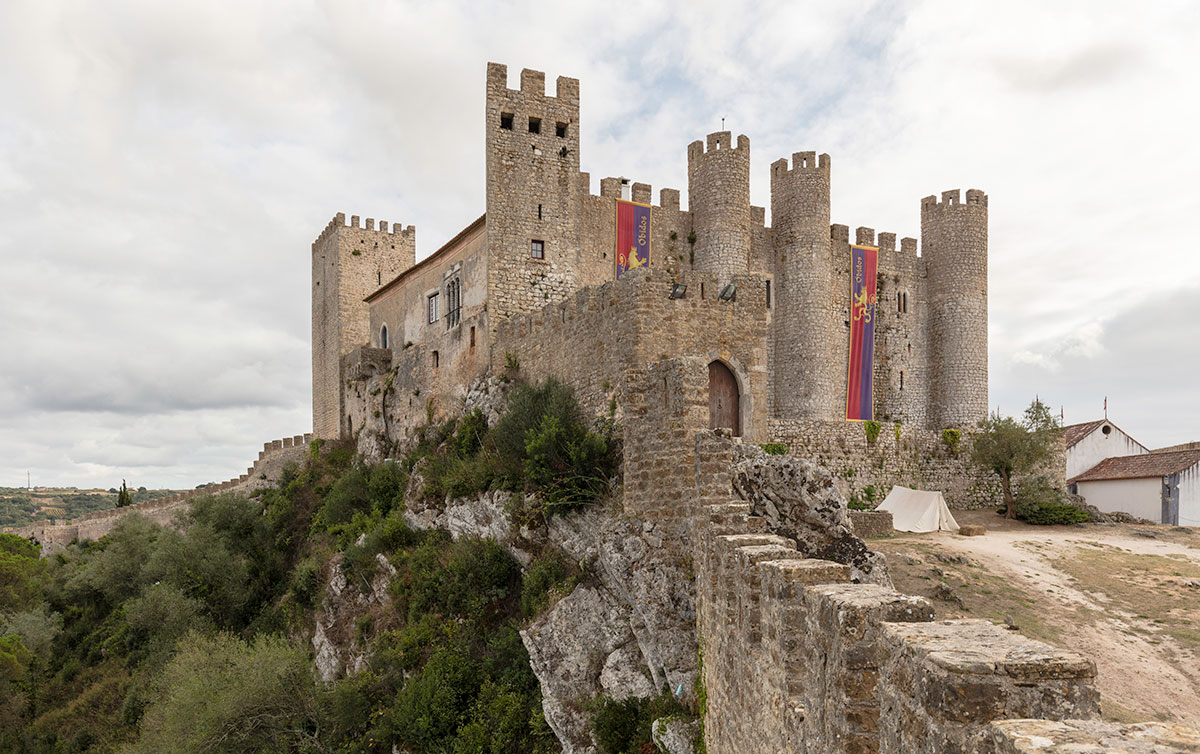 Explore the majestic Óbidos Castle, a testament to the town's rich history.
Let’s start with Óbidos Castle, a majestic fortress that looms over the town with ancient grandeur. This well-preserved castle dates back to the 12th century and was originally built by the Moors before being conquered by Portugal’s first king, Afonso Henriques. Today, it serves as a luxurious pousada (a historic hotel), offering guests a once-in-a-lifetime opportunity to sleep in medieval splendor. Even if you’re not staying overnight, the exterior and surrounding gardens are worth a visit.
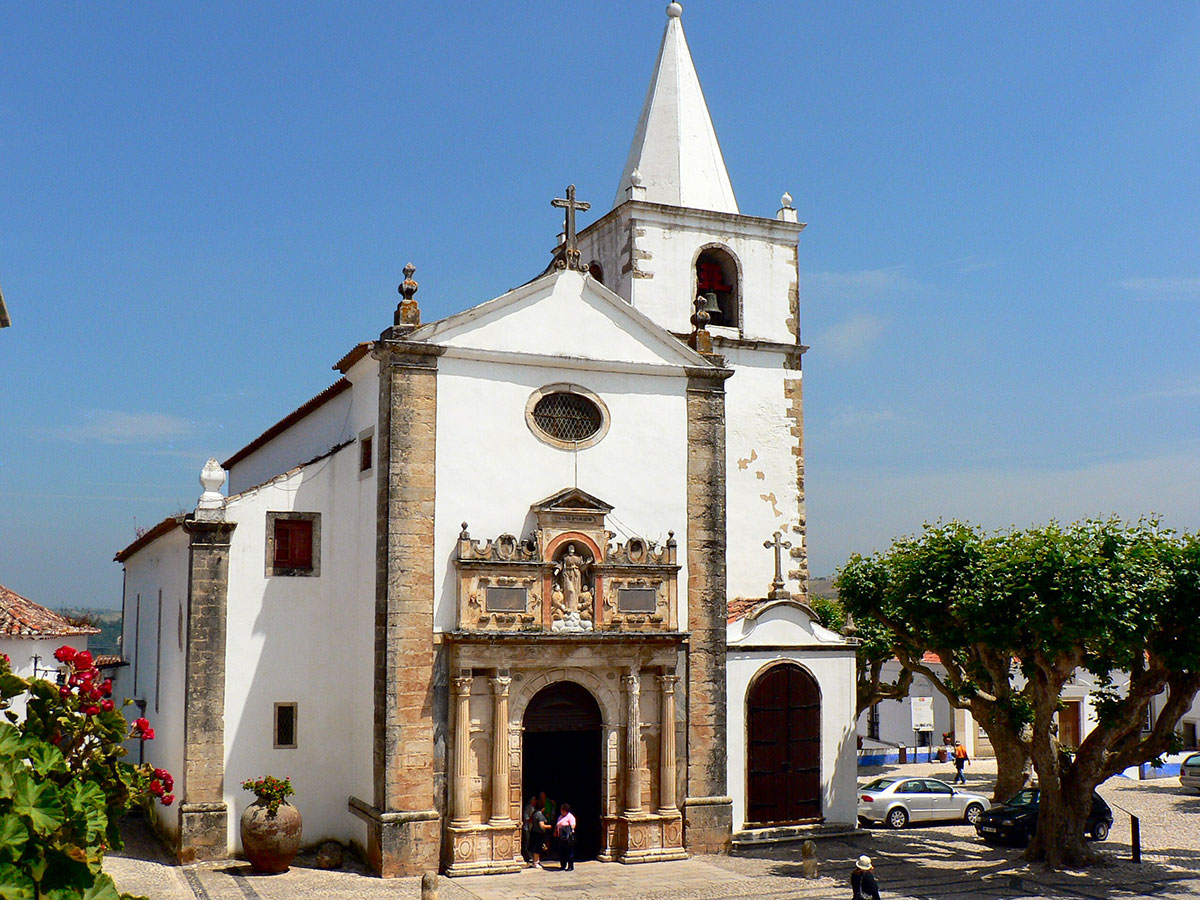 Visit Igreja de Santa Maria, where royal history and stunning architecture meet.
Next, head to the Igreja de Santa Maria, the town’s main church. It was here that King Afonso V married his cousin Isabella when he was just nine years old—a reminder of the royal roots that run deep in Óbidos. The church features a beautiful Renaissance-style interior and impressive tilework, making it a peaceful spot for reflection and a great backdrop for photos.
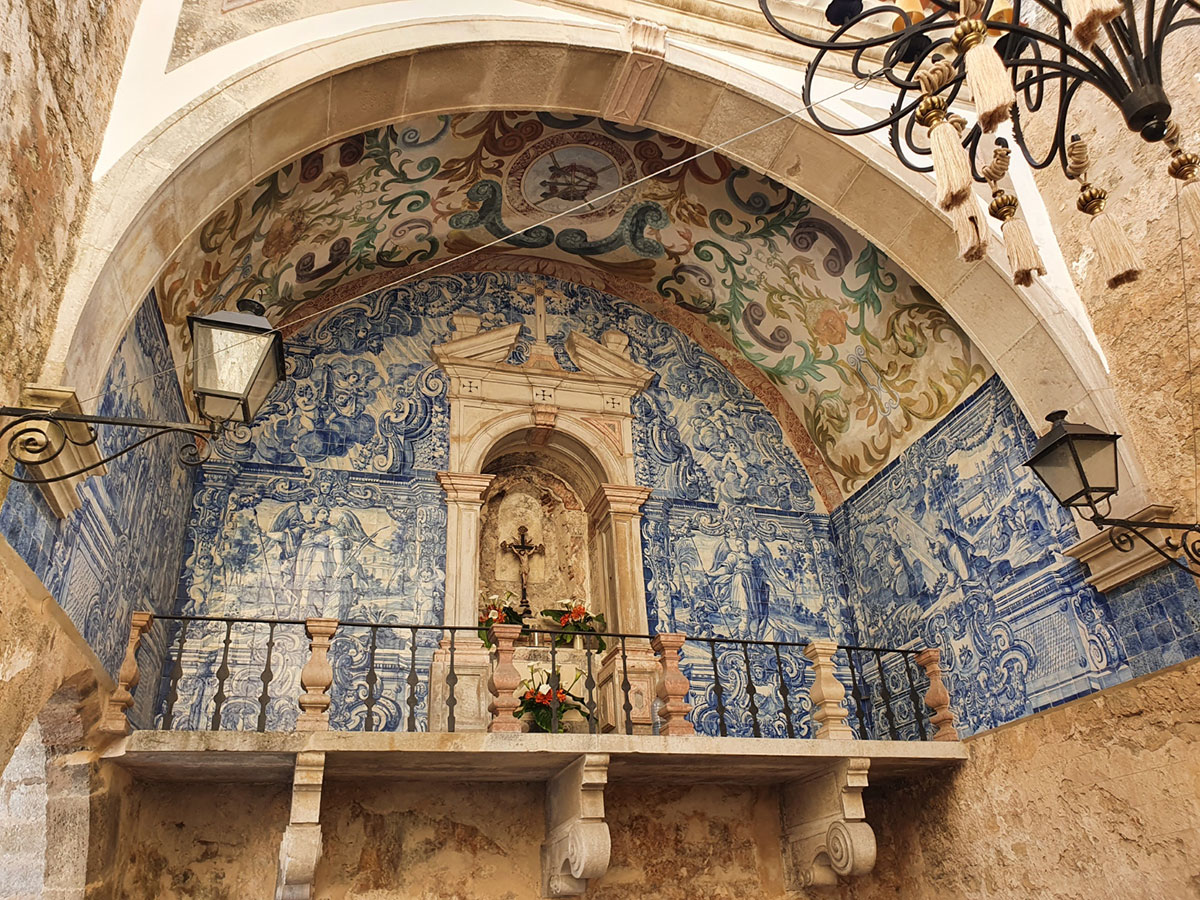 Enter Óbidos through Porta da Vila, adorned with beautiful azulejo tiles.
Don’t miss the Porta da Vila, the main gateway into the town, which boasts a stunning baroque tiled chapel just inside. It’s one of the most photographed locations in Óbidos for good reason. The blue-and-white azulejos (traditional Portuguese tiles) tell a story of religious devotion and set the tone for the enchanting experience that lies ahead as you walk through its arches.
Want to uncover the secrets behind these historic landmarks? Book your historical walking tour on ToursXplorer today!
7. Best Time to Visit Óbidos (Weather and Crowds)
Timing your visit to Óbidos can make all the difference between a good trip and an unforgettable one. While the town is beautiful year-round, each season offers a different kind of magic—and some important considerations when it comes to weather and crowds.
Spring (March to May) is arguably the best time to visit. The flowers are in full bloom, temperatures hover between 15-22°C (59-72°F), and the crowds haven’t yet peaked. It’s perfect weather for strolling the walls and sipping Ginjinha outdoors. The International Chocolate Festival often takes place in spring too, adding an extra dash of sweetness to your trip.
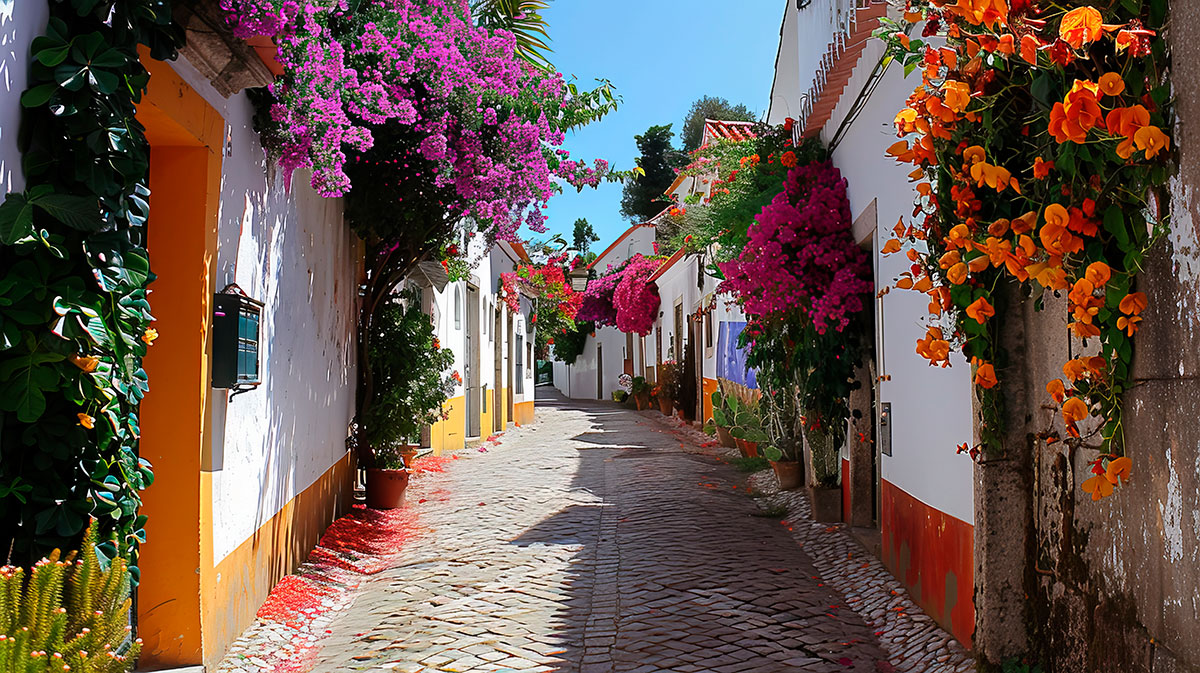 Experience the charm of Óbidos in full bloom during springtime.
Summer (June to August) brings warmer temperatures, sometimes exceeding 30°C (86°F), and the highest volume of tourists. Expect crowded streets, especially during weekends and festivals like the Medieval Market in July. Still, if you thrive in lively atmospheres and love open-air concerts, summer has its perks. Just be prepared for limited parking and higher accommodation rates.
Autumn (September to November) is another excellent window for visiting. The weather remains mild, the crowds begin to thin, and the surrounding vineyards begin to glow with autumn colors. This is also harvest season—ideal for foodies and wine lovers.
Winter (December to February) is the quietest period. While some shops and attractions may close or operate on reduced hours, you’ll get the town almost to yourself. Óbidos also hosts a charming Christmas Village (Vila Natal) in December, complete with lights, markets, and festivities that add warmth to the cool, crisp air.
Pro tip: Weekdays are generally less crowded than weekends, and arriving early in the morning or staying overnight helps you enjoy Óbidos without the rush.
8. Parking and Getting There
Getting to Óbidos is relatively easy, whether you’re coming from Lisbon, Porto, or somewhere along the Silver Coast. But before you set off, there are a few logistical points worth knowing to make your visit smooth and stress-free.
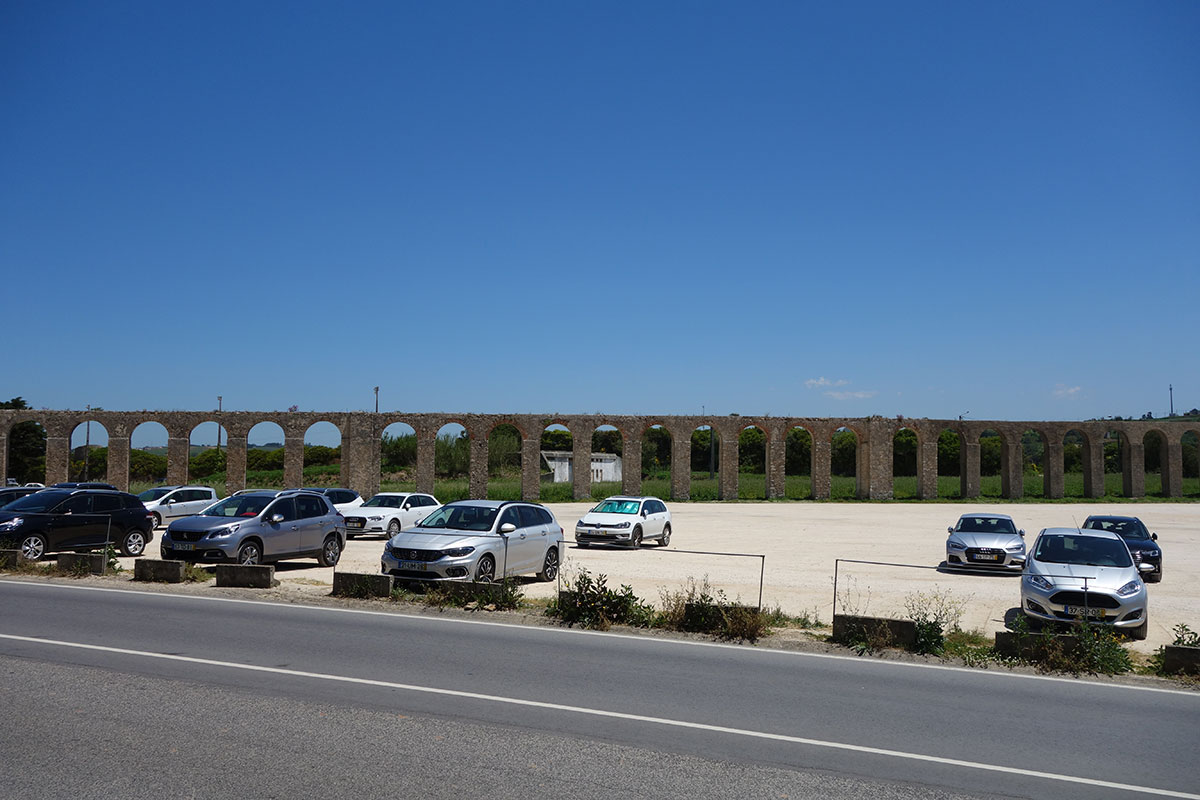 Convenient parking just outside the historic walls of Óbidos.
If you’re traveling by car, Óbidos is about a one-hour drive north of Lisbon via the A8 highway. The road is well-maintained, and signage is straightforward. However, vehicles are not allowed inside the walled city, so you’ll need to park outside. There are several parking lots available—some free, some paid. The closest is Parque de Estacionamento Municipal, just a five-minute walk from the main gate (Porta da Vila). Be sure to arrive early, especially on weekends or during festivals, as spaces can fill up quickly.
Prefer public transportation? You can take a bus from Lisbon’s Campo Grande terminal, with a journey time of about 1.5 hours. Alternatively, trains are available from Lisbon to Caldas da Rainha, followed by a short taxi or bus ride to Óbidos. While public transport is slower, it’s budget-friendly and avoids parking hassles.
Once you arrive, the town is best explored on foot. The streets are narrow and cobbled, so comfortable walking shoes are essential. If you’re traveling with kids or older adults, be mindful of the uneven terrain and occasional steep inclines.
Need help arranging transport or private transfers? ToursXplorer can take care of it—book your transfer here!
9. Beyond the Ginjinha: Local Food and Drink
 Delight in local flavors with traditional Portuguese petiscos.
While Ginjinha steals the spotlight, Óbidos is also a fantastic destination for lovers of food and wine. The region around the town is known for its traditional Portuguese fare, rooted in fresh, local ingredients and hearty, rustic flavors.
Start with caldo verde, a comforting green soup made with kale, potatoes, and chouriço sausage. It’s a Portuguese classic and perfect for cooler days. For something more substantial, try bacalhau com natas (codfish with cream) or grilled sardines, especially if you’re visiting during summer when they’re in season.
Many taverns and restaurants along Rua Direita and nearby alleys serve petiscos, the Portuguese equivalent of tapas. Think chouriço, cheese from Serra da Estrela, olives, and crusty bread—perfect for a relaxed meal over wine. Speaking of which, don’t miss the chance to sample wines from the Oeste region, especially white varieties made from Arinto or Fernão Pires grapes.
For dessert, beyond chocolate Ginjinha cups, try travesseiros, puff pastries filled with sweet almond and egg cream. You’ll find them in bakeries throughout town.
Want to explore the best tastes of Óbidos? Join our local food and wine tour with ToursXplorer!
10. Planning Your Visit (Time Needed and What to Expect)
So, how much time should you set aside for Óbidos? While many travelers visit on a day trip, those who stay longer often find the experience far more rewarding. A full day allows you to see the main highlights, including walking the walls, visiting key landmarks, and sampling local food. However, spending a night lets you see a different side of the town—quieter, more atmospheric, and even more magical as lanterns light the cobbled streets.
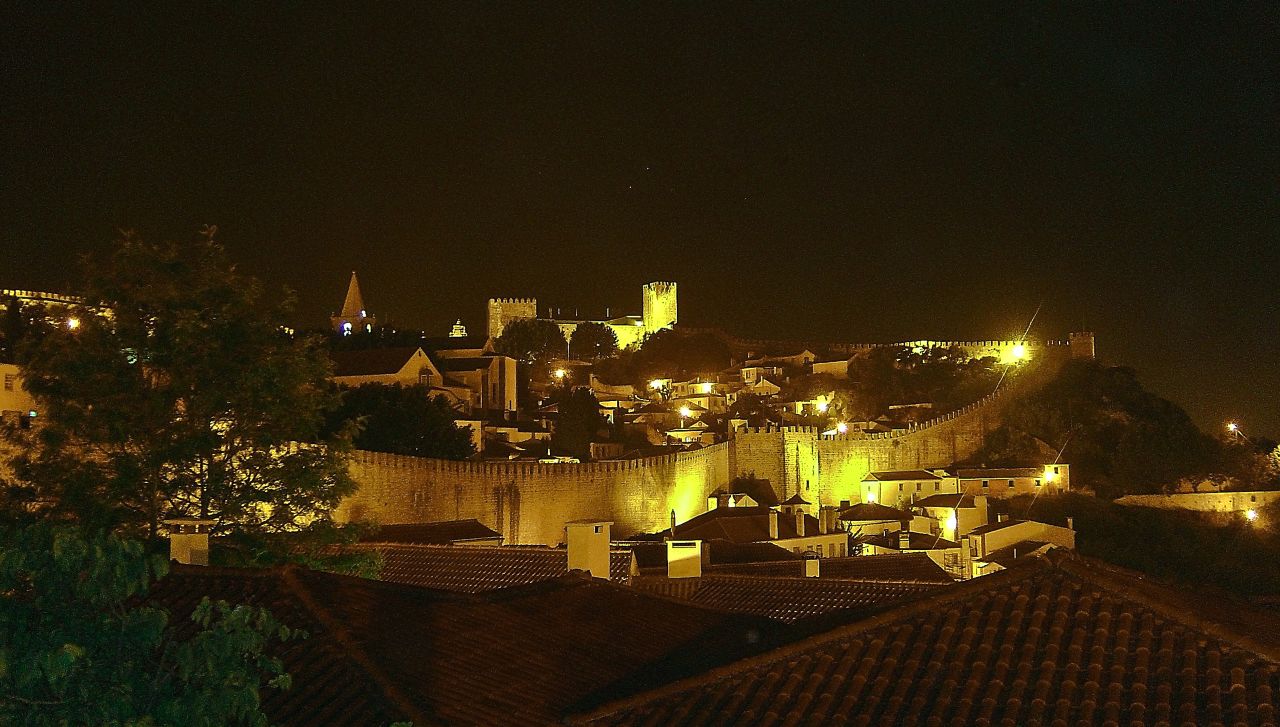 Experience the enchanting ambiance of Óbidos after dusk.
Expect a mix of flat and hilly terrain, so wear good walking shoes. The town isn’t large, but its uneven paths and stone staircases can be tiring if you’re not prepared. Bring water, a sunhat in summer, and a light jacket in the cooler months.
If you’re interested in photography, literary exploration, or tasting your way through every Ginjinha stand, consider making Óbidos a two-day affair. That way, you’re not rushing, and you can truly immerse yourself in the town’s medieval and romantic atmosphere.
Need help planning your trip? ToursXplorer offers customizable itineraries, transfers, and guided experiences—start planning today!
Conclusion
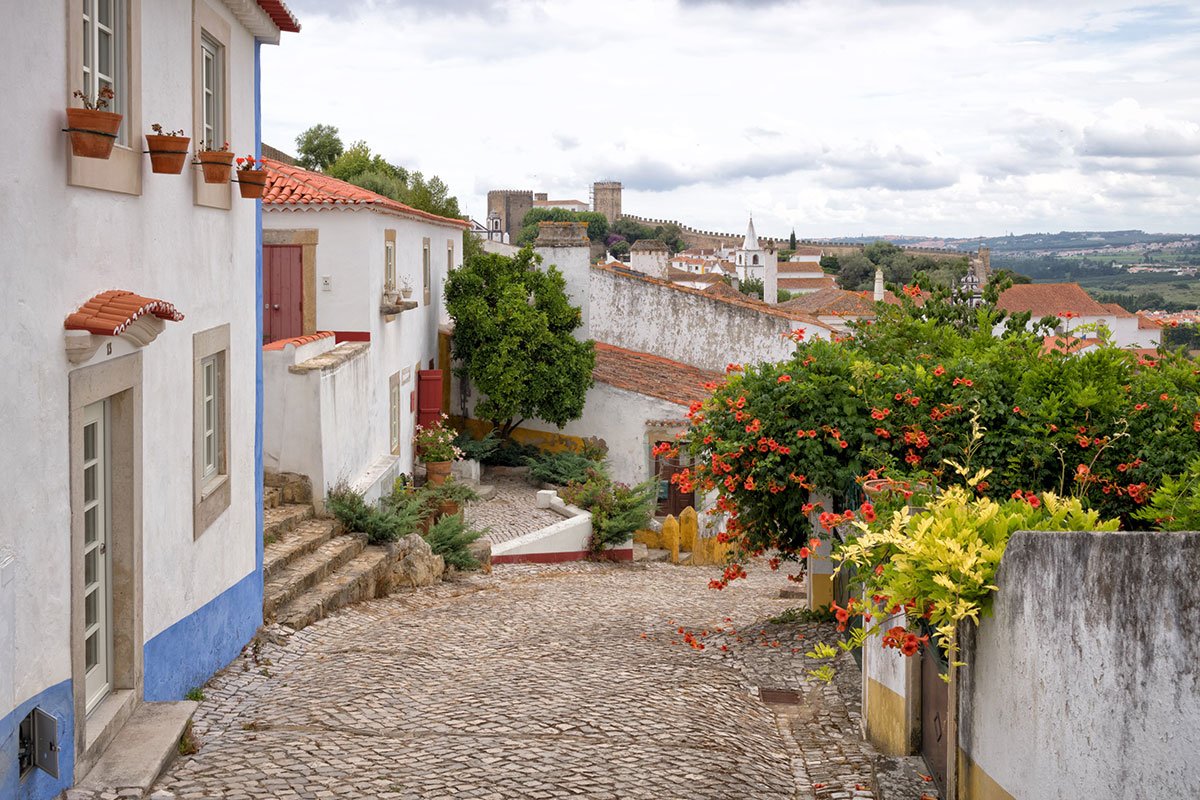 Stroll through Óbidos' flower-filled cobblestone streets, where every corner bursts with color and medieval charm.
Óbidos is more than just a pretty postcard—it’s a living, breathing medieval village where the past meets the present in the most enchanting way. Whether you're sipping cherry liqueur from a chocolate cup, tracing centuries-old tiles in a chapel doorway, or walking hand-in-hand along the castle walls, the experience is immersive, intimate, and unforgettable.
Perfect for couples, solo explorers, and culture-loving travelers, Óbidos has something for everyone. So, pack your curiosity, your camera, and a sense of wonder.
Book your Óbidos adventure now with ToursXplorer and let history come alive!
FAQs
1. Is Óbidos worth visiting on a day trip from Lisbon?
Yes! Óbidos is only about an hour from Lisbon and makes for a perfect day trip, especially with guided transport options.
2. Can you walk the walls of Óbidos year-round?
Yes, the walls are open year-round, though caution is advised in wet or windy weather due to lack of railings.
3. What is the best local souvenir to buy in Óbidos?
Hand-painted ceramics, bottles of Ginjinha, and local textiles make for authentic and charming souvenirs.
4. Are there any festivals in Óbidos worth timing your visit around?
Definitely! The Medieval Market in July, Chocolate Festival in Spring, and Christmas Village in December are top highlights.
5. Is Óbidos kid-friendly?
Yes, but with some caution—due to uneven streets and wall walkways without railings, it’s best to keep a close eye on little ones.