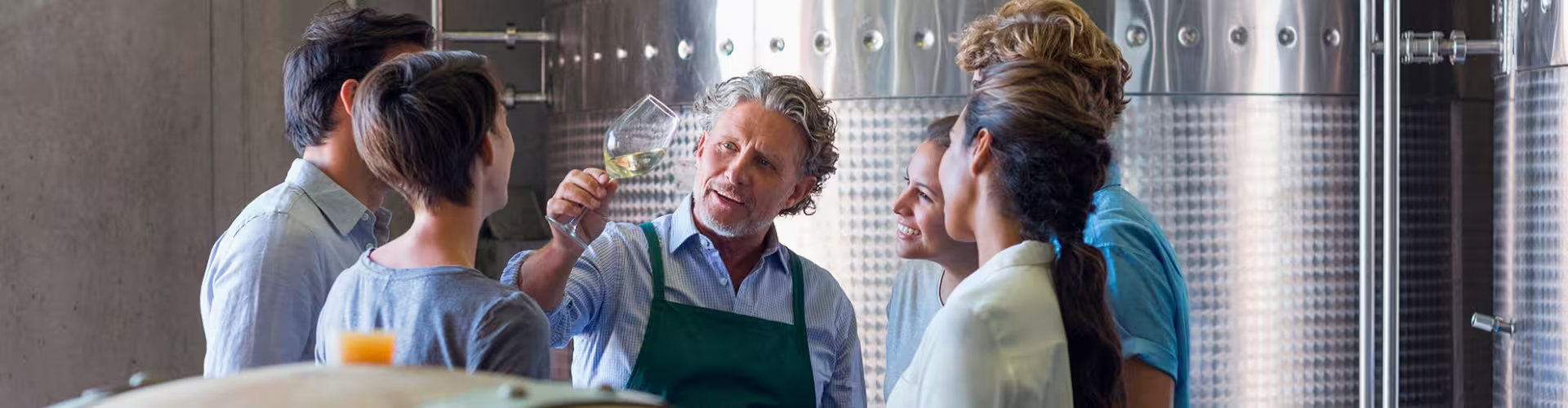
A Winery visit is one of the most rewarding ways to understand how landscape becomes flavor, combining scenic vineyards, guided wine tasting, and behind the scenes access that brings the craft to life. Whether you are curious about grape varieties, want a relaxed countryside afternoon, or enjoy structured wine tours led by a sommelier, a Winery experience offers both education and pleasure at an easy pace. Many guests also appreciate the calm setting, the chance to ask practical questions, and the option to add light bites or a full wine pairing depending on the venue.
Most wine estate properties are set among rural lanes and agricultural roads; access often involves a short drive or a taxi from the nearest town. If public transport is limited, plan a designated driver or pre booked transfer, especially if you intend to do a full wine flight at the tasting room or cellar door.
Entry is typically paid for tastings and tours, with many venues offering tiered options from a basic wine tasting to premium wine tours that include a vineyard tour and barrel sampling. Reservations are often recommended, and sometimes required, particularly on weekends and during harvest season. Opening hours vary by season; a typical visit lasts 60 to 120 minutes, and the best windows are late morning for quieter tastings or early afternoon for a longer, more relaxed stay.
Accessibility varies widely because production areas can involve uneven surfaces, slopes, and steps. Many venues offer step free routes to the tasting room, accessible toilets, and ramps, while the barrel room or wine cellar may have limited access; it is worth confirming in advance if you need step free entry or a shorter route.
Emphasize scenic vineyards, guided wine tasting, and behind the scenes cellar access. Highlight learning about terroir and winemaking, plus the option for food pairings and a relaxed countryside rhythm.
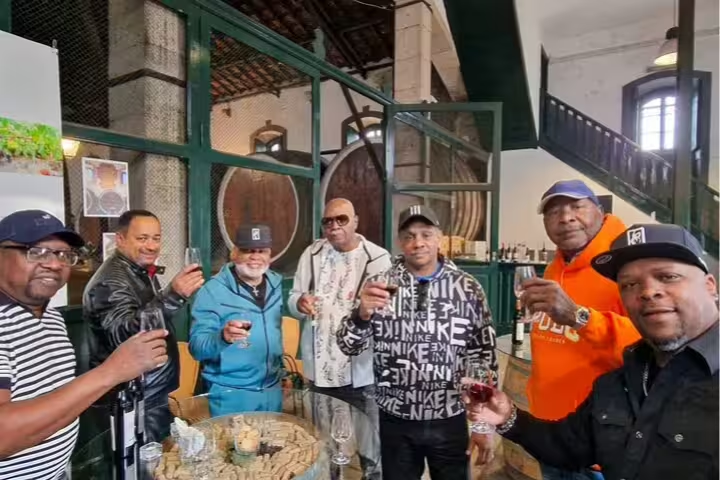
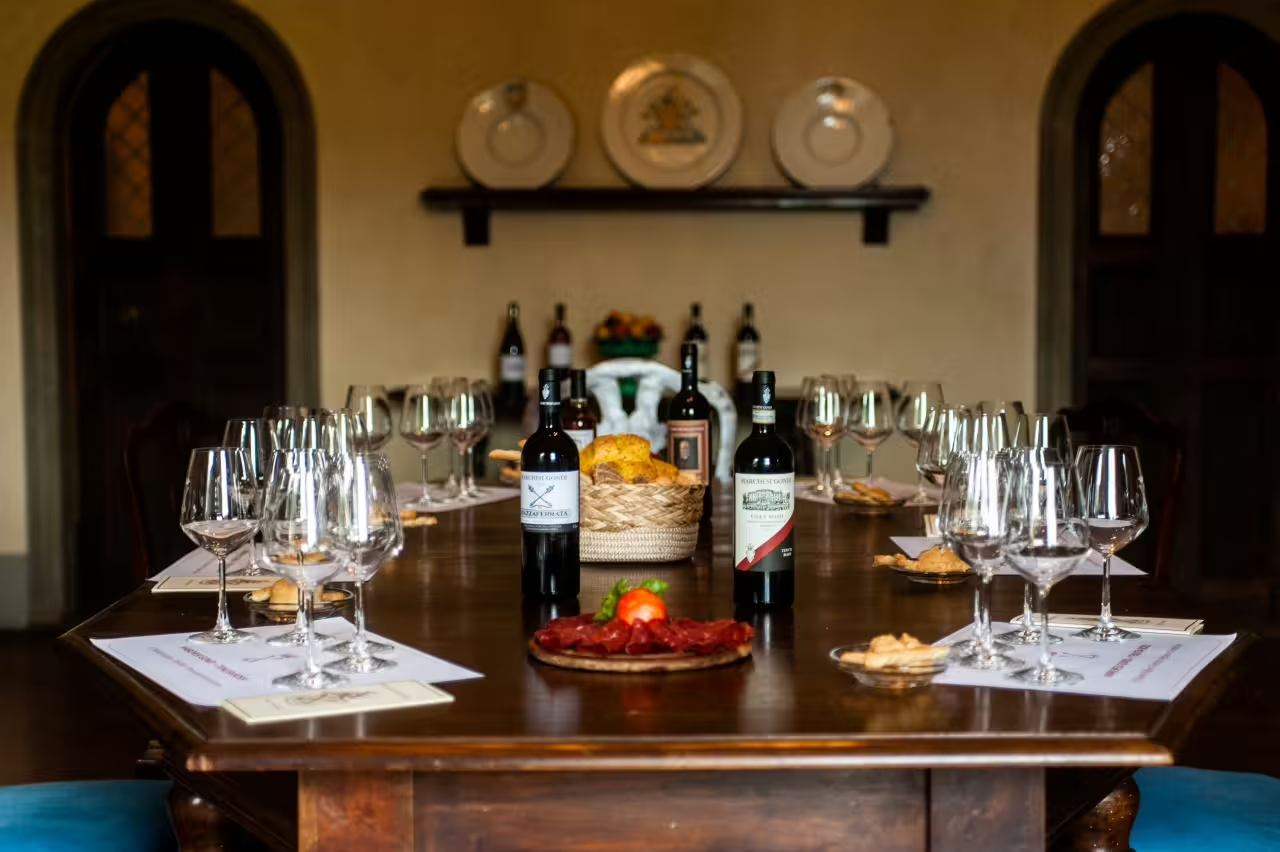
A typical visit starts at the cellar door for check in, then moves into the tasting room for an introductory wine tasting or wine flight, followed by a short vineyard tour or production walk depending on the schedule. Many hosts then guide you into the wine cellar or barrel room to explain fermentation, aging, and quality control, before returning to the tasting area for questions and optional purchases. Common pitfalls include arriving late for timed tours, over scheduling multiple tastings in one day, and forgetting hydration or a snack, especially if you plan to explore several Winery stops.
For most visitors, the simplest approach is to combine public transport with a short taxi ride, or to book a small group transfer that coordinates arrival times for wine tours. If you drive, confirm parking arrangements and avoid tight schedules so you can enjoy the setting without rushing; always plan for safe, sober transport after wine tasting. Weather can change quickly in open countryside, so bring sun protection in warm months and a light layer for cooler afternoons, especially if your Winery itinerary includes outdoor vineyards walks.
Because a wine estate is often spread out, “nearby” usually means within the same property or the immediate rural lane. If your venue offers them, cluster these stops to make the most of your time.
Most visits take 1 to 2 hours, especially if you include a guided tasting and a short cellar component. If you add a longer tour, food pairing, or time in the vineyards, plan closer to 2 to 3 hours.
It depends on the venue, some tickets cover only a Winery tasting flight, while others bundle a guide led tour plus tastings. Always confirm what is included, such as vineyard access, cellar time, and any food pairing elements.
Check in is typically at the cellar door or main tasting room reception, where staff confirm your booking and start time. Arrive 10 to 15 minutes early so you can settle in, use facilities, and avoid missing the tour departure.
Spring and early autumn are popular for mild weather and green vineyard views, while harvest season is lively and educational but can be busier. In winter, some wineries focus more on indoor tastings and barrel room visits, so plan for cooler temperatures and shorter daylight.
Many modern sites provide accessible toilets and step free access to the tasting room, but cellar areas may involve stairs or uneven floors, so ask about routes before booking a Winery tour. Language options vary, some offer multilingual hosts or printed tasting notes, and private tours can sometimes be arranged with advance notice.
A well run Winery balances hospitality with authenticity. You are not only tasting finished bottles, you are learning how decisions in the field and cellar shape aroma, structure, and ageability. Guides often begin with the basics of terroir, including soil types, elevation, sun exposure, and water stress, then connect these factors to the day’s pour list.
In the vineyards, you may hear why canopy management matters, how yields influence concentration, and what makes certain grape varieties thrive in specific conditions. In the cellar, the conversation becomes more technical, covering fermentation temperatures, yeast choices, maceration for red wine, and oxygen management for delicate white wine. If your visit includes a barrel room stop, you will learn how oak species and toast level influence spice, vanilla notes, and texture, and why some wines stay in barrel longer than others.
Not every Winery is the same, and selecting the right style improves satisfaction. A boutique winery often offers smaller groups, more direct access to the winemaker or cellar team, and limited release bottles you may not see elsewhere. Larger estates can provide more structured visitor facilities, wider tasting menus, and multiple tour times, which is helpful if you prefer a predictable schedule.
If sustainability is important to you, look for an organic winery or biodynamic winery option, and ask what their certification or farming approach means in practice. Many hosts will explain composting, cover crops, reduced chemical inputs, and biodiversity corridors, and how these choices can affect vine health and the final wine profile. Even when certification is not present, a thoughtful guide can still describe water management, soil protection, and low intervention practices in the wine cellar.
At a Winery, the goal is not to “get it right,” it is to notice patterns and preferences. Start by smelling the wine before tasting, then take a small sip and let it coat your palate so you can judge acidity, sweetness, tannin, and finish. A good host or sommelier will encourage you to compare styles across the lineup, for example a crisp white wine against a fuller bodied version, or a dry rosé wine next to a fruit forward one.
If you are offered sparkling wine, pay attention to bubble texture and balance, not just aroma. When tasting local wines, ask what makes them distinctive, whether it is a regional clone, a specific soil type, or a traditional aging method. If you are doing multiple tastings in one day, pace yourself, drink water between pours, and consider smaller pours rather than repeating full glasses.
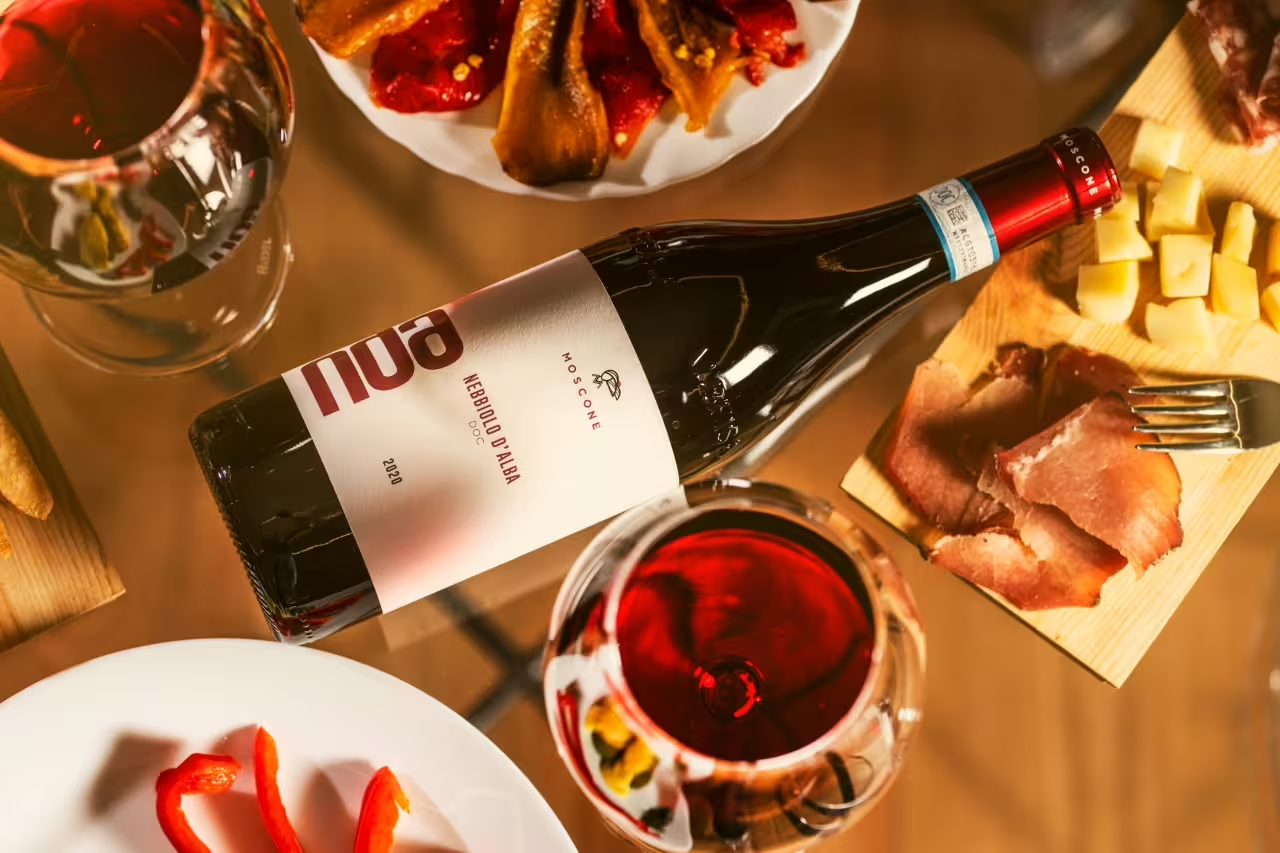
Many visitors enjoy adding a structured wine pairing, because it turns tasting notes into something immediately understandable. Salt, fat, acidity, and spice can change how a wine reads, making tannins feel softer or fruit feel brighter. If your venue has a winery restaurant, it can be a convenient way to extend your visit, especially when you want a seated break and a more complete culinary context for the wines.
For lighter options, some properties offer cheese boards, seasonal snacks, or small plates designed around the tasting list. If you have dietary requirements, it is best to mention them at booking, as rural venues may have limited same day alternatives.
To get the most from a Winery, book ahead on weekends, arrive early, and keep your schedule realistic. Wear comfortable shoes suitable for gravel paths and grass, especially if your itinerary includes a vineyard tour. Bring sun protection for open vineyards, and carry a light layer for cooler cellar temperatures, since a wine cellar is often naturally chilled.
If you are interested in buying bottles, ask about storage and transport recommendations, especially in hot weather. Many venues can advise on keeping wine stable during travel, and some offer packaging designed for short term protection.