Water Toys are the easiest way to turn a simple swim into a full day of play, whether you are floating peacefully, racing friends, or keeping little ones busy in the shallows. From inflatable water toys and pool toys to beach toys and skill based water games, the right gear helps kids and adults relax, play, and explore safely. This guide focuses on practical choices and setup tips for pools, beaches, and lakes, so you can spend more time enjoying the water and less time troubleshooting.
This is a theme guide rather than a single venue, so access depends on where you plan to swim, such as a beach, a pool facility, or a lakeside day area. For the smoothest arrival, choose an entry point with clear signage, nearby restrooms, and an easy carry route for inflatables and bags.
Costs vary by setting, public beaches are often free, while pools and managed lake parks may be paid. Reservations are usually not required, but timed entry can apply at busy pools in peak season, and it is worth checking ahead for capacity limits. Plan for two to four hours for casual floating and games, or a full day if you bring multiple Water Toys and rotate activities, early morning and late afternoon typically feel calmer and less crowded.
Accessibility depends on the site, look for step free routes to the water, ramps, pool lifts, and accessible toilets. For hearing and vision needs, prioritize clear visual signage, staff assisted entry points, and simple game formats that do not rely on audio cues. If mobility is a concern, stable inflatable rafts, wide paddle boards, and supportive pool floats can make time on the water more comfortable.
Keep the focus on sunny day water fun across beaches, pools, and lakes. Highlight inflatables, floats, water games, and splash friendly gear for both kids and adults, with practical guidance that supports relaxed play and easy setup.
A typical outing starts with choosing a safe base spot, then inflating and testing gear in shallow water before moving into deeper areas. Begin with low effort Water Toys like pool floats or small water guns, then rotate into more active play such as water games and short paddling sessions, finishing with relaxing floating loungers while everyone dries off. The most common pitfalls are overpacking bulky inflatables, skipping a quick safety check for seams and valves, and underestimating wind or current, which can push inflatable rafts and ocean toys away from the intended swim zone.
If you are visiting a pool or managed waterfront, public transport is often the easiest option because it reduces the amount of gear you need to carry far from parking. If you drive, arrive early to minimize walking distance, and bring a simple carry system such as a mesh tote plus a small pump. Always check weather, wind, and water conditions before inflating large water inflatables, and avoid using big inflatable water toys in rough surf or strong currents.
Because Water Toys can be used in many settings, nearby options depend on the area, but these are common, easy pairings for a well rounded day.
Two to four hours is a comfortable window for inflating gear, playing a few rounds of games, and taking breaks. If you bring several Water Toys, plan closer to half a day so you can rotate activities without rushing.
It depends on the setting, beaches are often free, while pools and managed waterfront parks may charge entry. Entry typically covers access to the water area and basic facilities, but equipment rental is separate unless stated.
Start near a clearly marked, supervised swim zone, and test inflatables in shallow water before moving farther out. Keep a visible base point on shore, and avoid launching near boats, rocks, or strong currents.
Wind can quickly move floats and boards, so scale down to smaller items or stay in a sheltered area when conditions shift. For rough water days, choose low profile Water Toys and focus on shore based play rather than drifting far from your entry point.
Many items are usable with the right setup, stable floats with handles and wide boards can be easier to mount and balance. Look for products with clear pictogram instructions, and choose venues with step free access, ramps, or pool lifts when available.
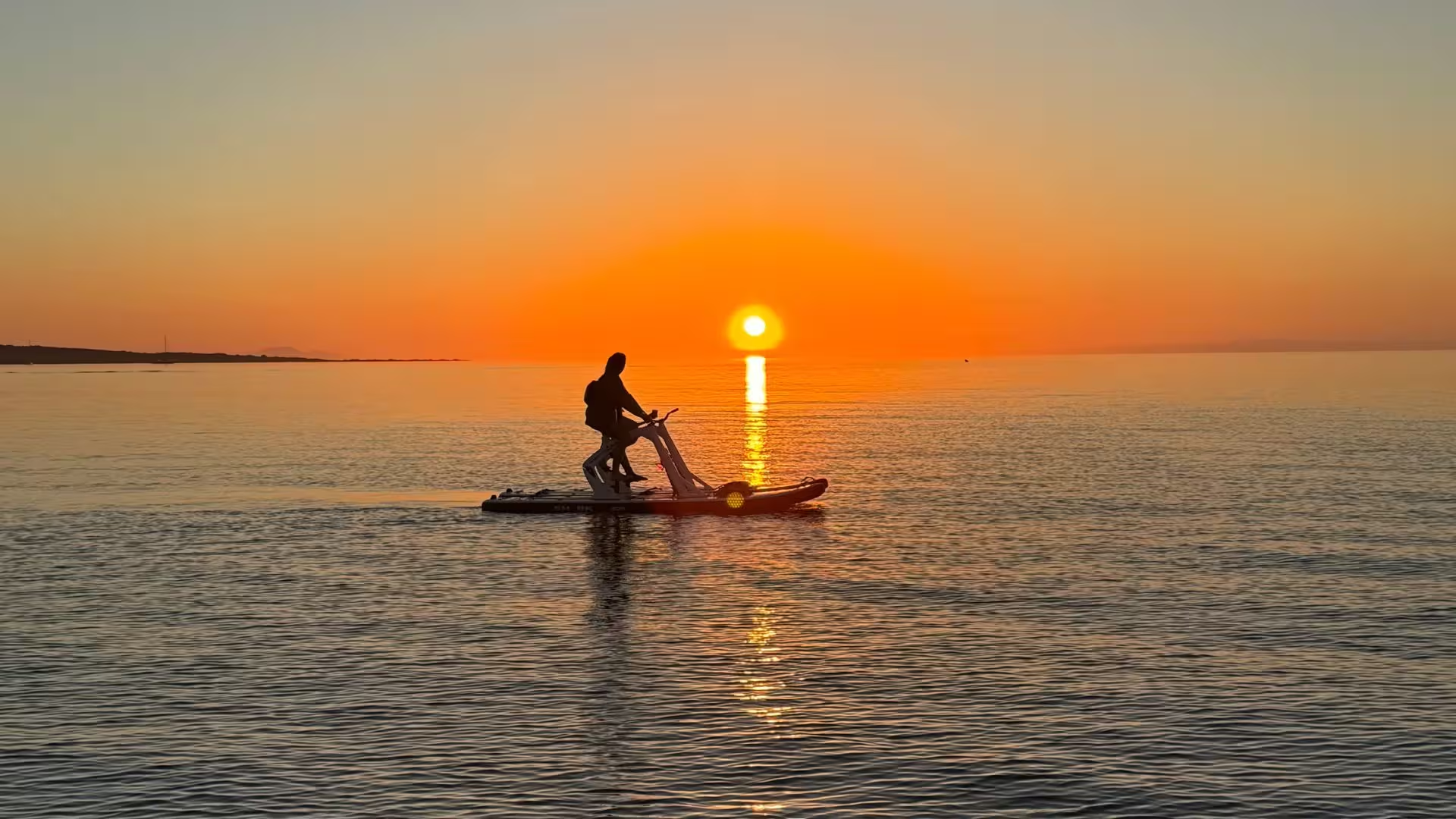
Picking Water Toys is easiest when you match the gear to the water type, the group, and the goal of the day. For calm pools, you can use almost anything, including larger inflatable floats and structured pool games. For beaches and open water, prioritize visibility, stability, and easy retrieval, especially when using ocean toys that can drift.
For families, start with a simple mix, one relaxation float, one active game, and one exploration item. A balanced kit might include pool floats or floating loungers for breaks, a set of splash balls for group play, and snorkeling gear for looking at rocks or shallow reefs where permitted. For adults, adult water toys often focus on comfort and longer sessions, such as supportive loungers, stable boards, or higher quality masks and fins.
Pools are controlled environments, which makes them ideal for pool toys, structured pool games, and learning oriented diving toys. The main constraint is space and rules, many pools limit large inflatables during busy hours, and some restrict squirters or hard objects. Choose compact swim toys that are easy to share and do not block lanes or steps.
For beach days, focus on beach toys and beach inflatables that can handle sand and sun exposure. Wind is the biggest factor, so pick items with grab handles and bright colors, and keep a short leash plan, meaning you always know who is responsible for each float. If you bring water guns, use them thoughtfully, avoid aiming at faces, and be mindful of nearby groups.
Calm lakes are excellent for lake toys like inflatable rafts and beginner paddle boards, where you can glide and explore without waves. Watch for changing weather, boat traffic, and submerged obstacles, and stay within designated areas. A simple rule is to keep inflatables close enough that a confident swimmer can return to shore without strain.
Even the best Water Toys work best with a few basics. Bring a patch kit and check valves before you leave, especially for larger water inflatables. Use sun protection, drink water regularly, and schedule breaks, since floating can feel effortless while still causing fatigue and sun exposure.
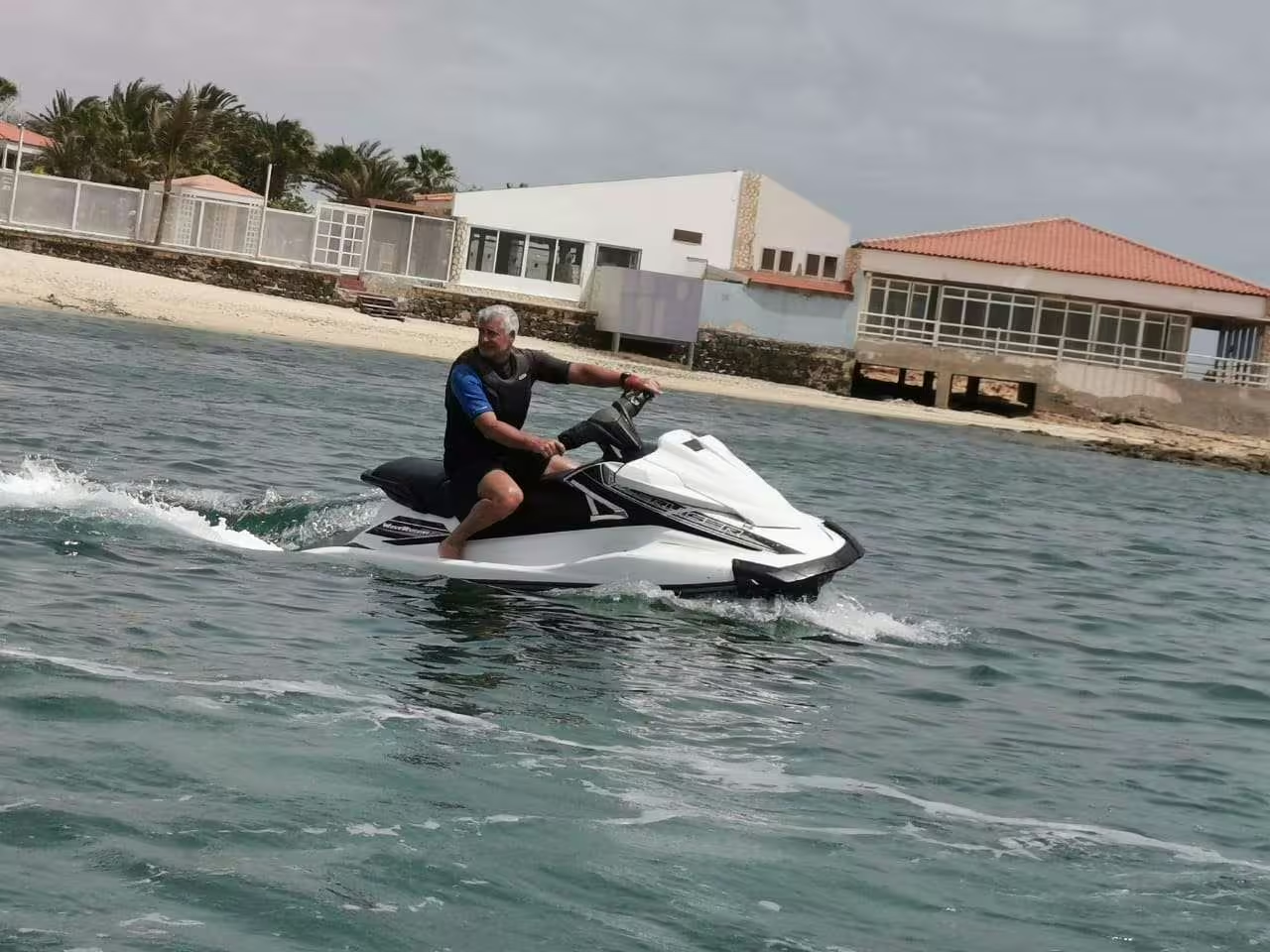
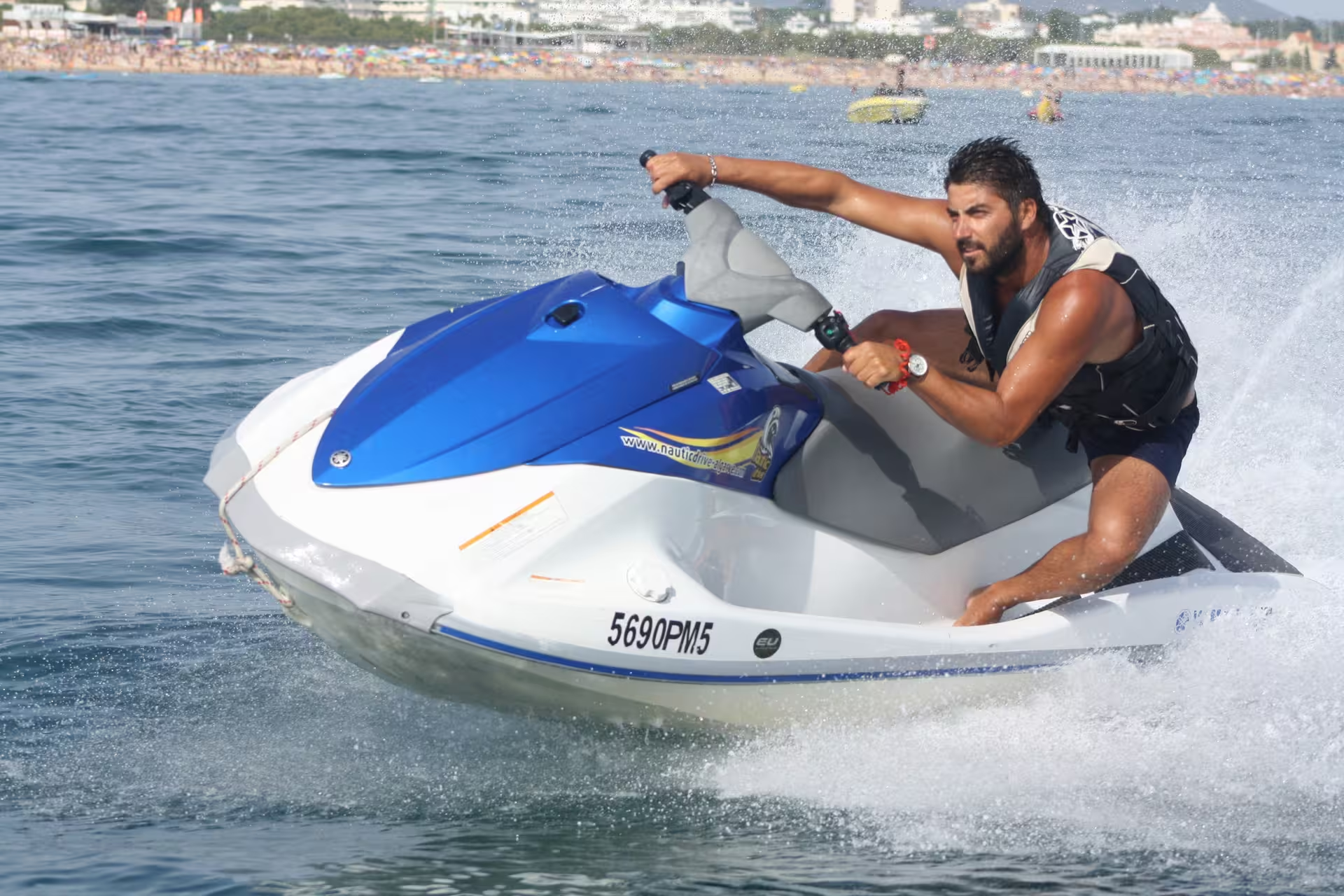
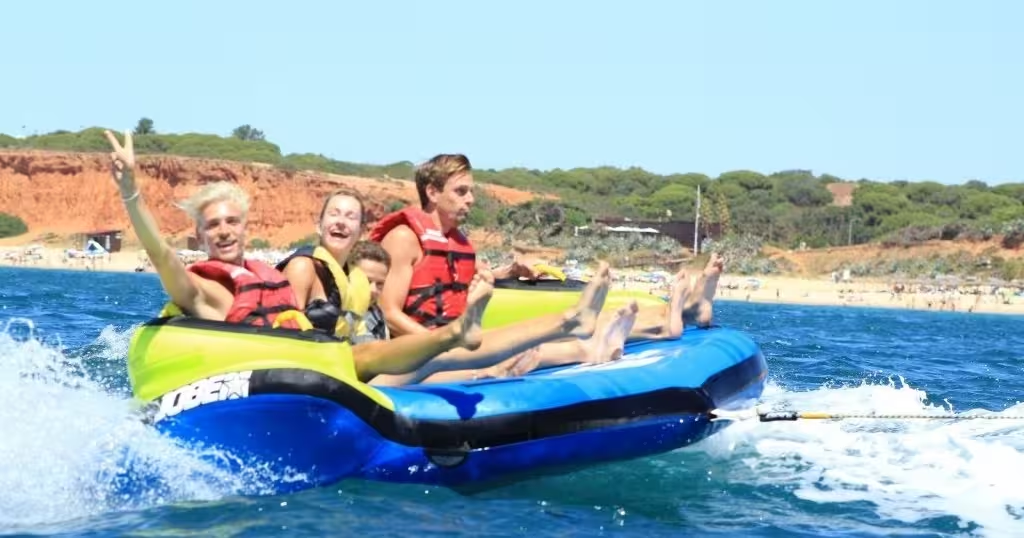
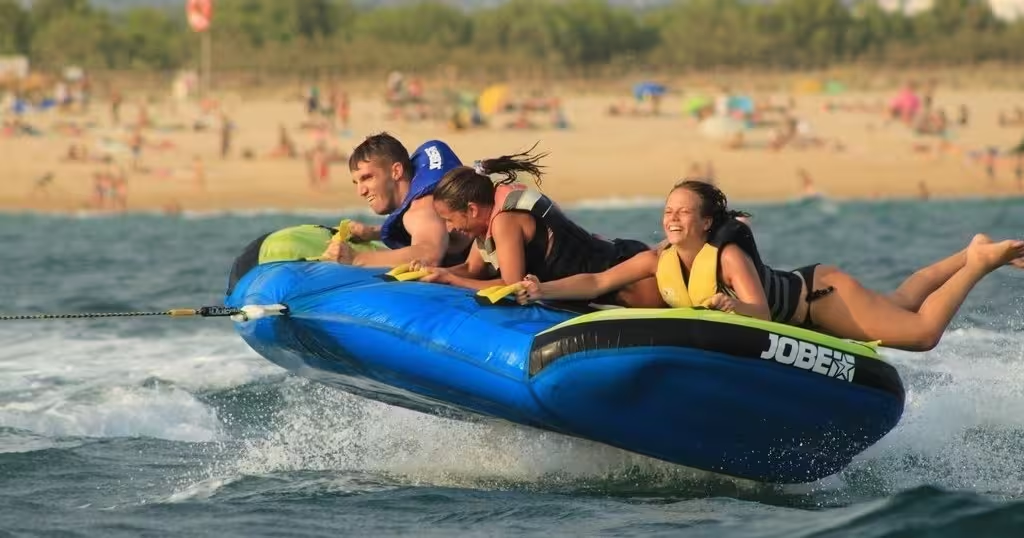
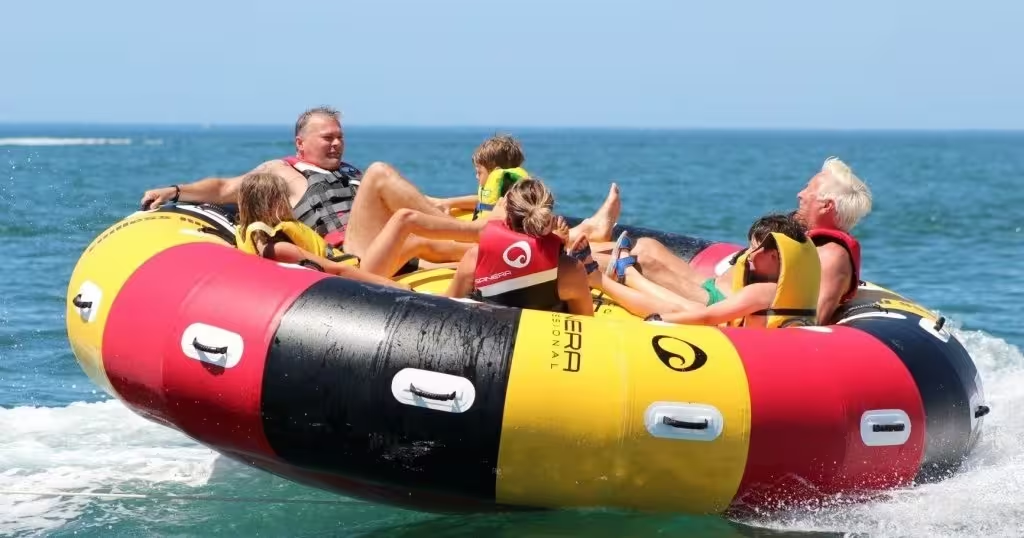
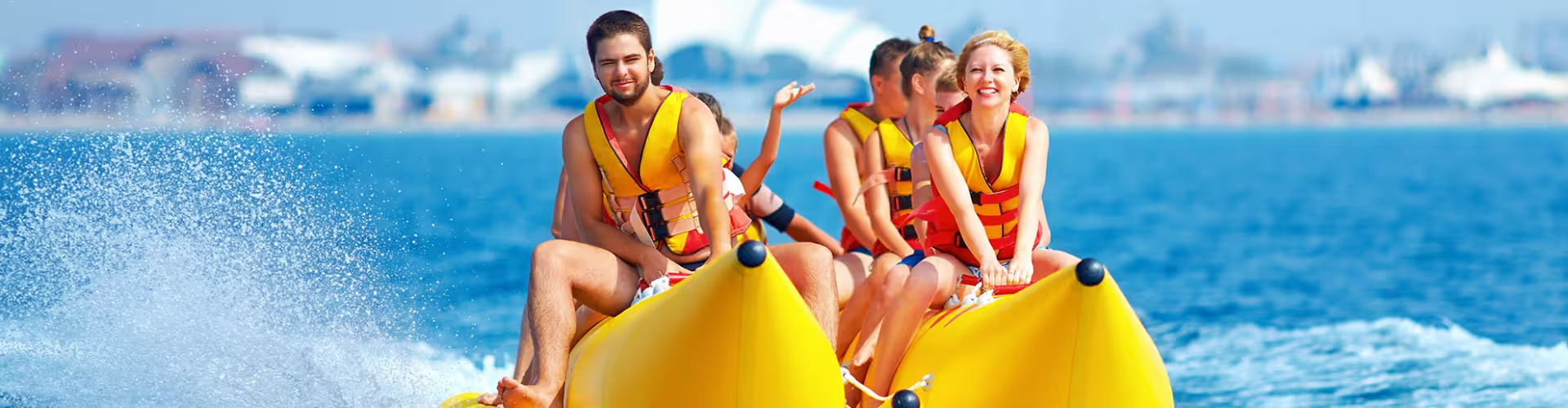
For children, choose age appropriate kids water toys with soft edges and simple play patterns. For teens and adults, water sports toys can be thrilling, but they require situational awareness, clear rules, and an understanding of local regulations. If you use towable tubes, only do so in approved areas with the right supervision, and keep speeds conservative.
When packing up, rinse and dry waterproof toys and inflatables to reduce odors and extend lifespan. A quick wipe down and partial deflation before carrying helps prevent sand from grinding into seams.
A smart kit for summer water fun is portable, versatile, and easy to share. Start with one or two core floats, add one group game, and include an exploration option. For example, combine inflatable water toys for lounging, a few floating toys for tossing games, and snorkeling gear for calm, clear water days.
If space is limited, prioritize items that compress small and serve multiple roles. A compact float can be both a rest platform and a game boundary, while a simple ball can become several water games depending on the group. With a thoughtful selection, Water Toys can support a full day of relaxed play without overloading your bag.