



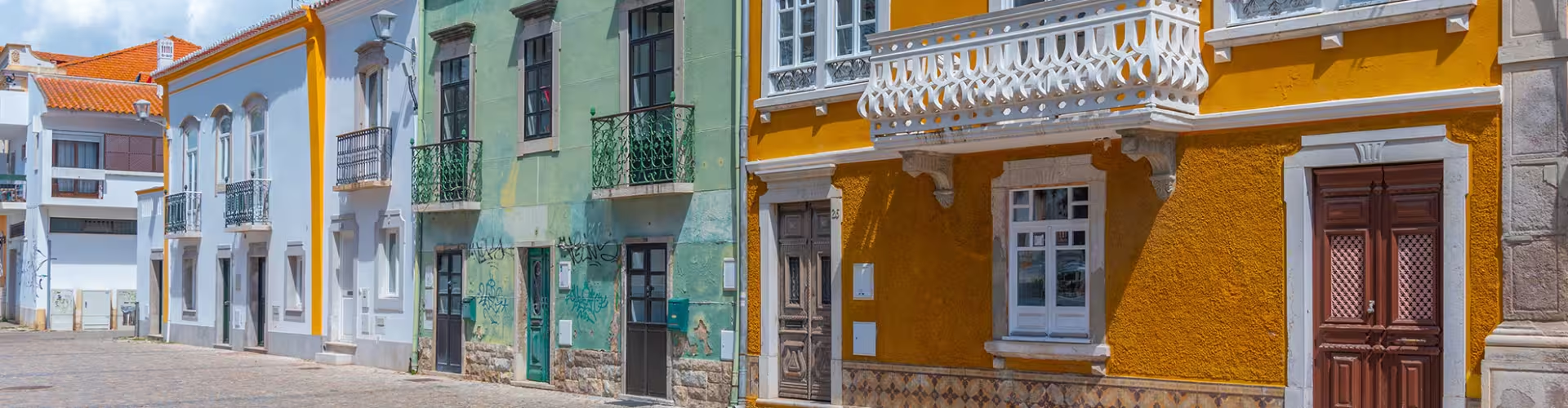
Tavira is a graceful riverside town in the eastern Algarve, known for its Moorish influenced lanes, whitewashed churches, and an easy hop to barrier island beaches inside the Ria Formosa. It suits travelers who want relaxed Tavira sightseeing, scenic walks, and unhurried meals, with sunset views over the Gilão River and quick escapes to sand and sea. For many visitors, Tavira feels like an Algarve hidden gem that balances history with beach time without the rush of bigger resort hubs.
Tavira Portugal, Faro District, Portugal. Arrive via Tavira train station for easy access to the center on foot; local buses and taxis connect to the waterfront and ferry points for the island. Parking is available around the town edges; the historic core is best explored on foot due to narrow streets and limited spaces.
Town streets, viewpoints, and the riverside are free to explore; individual monuments may charge small entry fees. Reservations are generally not required, and opening hours vary by season for churches, small museums, and ferry services. Plan 3 to 6 hours for a comfortable town visit, or a full day if you add Tavira Island and beach time; late afternoon is ideal for softer light and a sunset stroll.
Accessibility varies by site. The riverside promenades are relatively flat, while parts of Tavira old town include cobbles, slopes, and steps; some churches and historic viewpoints may have limited step free access. For the most comfortable route, focus on the riverfront, main squares, and modern paths near ferry access points.
Emphasize Moorish character, riverside streets, and whitewashed churches. Make it easy to combine town wandering with sandy escapes to Ilha de Tavira in the Ria Formosa. Keep the tone geared toward relaxed sightseeing, seafood culture, and sunset pacing.
Start in Tavira old town with a riverside loop, crossing the Roman Bridge Tavira early to orient yourself, then work uphill to Tavira Castle and nearby church landmarks such as Igreja de Santa Maria do Castelo. After a slow lunch break, shift to the waterfront and plan your beach extension via Tavira ferry to Tavira Island, timing the return so you are back in town for sunset. Common pitfalls include underestimating walking time on cobbles, arriving too late for seasonal ferry schedules, and skipping shade and water on hot days, especially if you combine viewpoints with beach hours.
For public transport, the simplest route is by regional rail to Tavira train station, then a 10 to 20 minute walk to the river and the main historic streets. If you are planning Faro to Tavira as a day outing, trains and buses are practical; driving is also straightforward, but park outside the tightest lanes and walk in. In summer, heat and strong sun are the main factors, so schedule hillier sections earlier, and keep a light layer for breezier evenings by the water and on the island.
Tavira market, a good stop for local produce and everyday atmosphere, best visited in the morning.
Tavira salt pans, look for birdlife and the working landscape that shapes the lagoon economy.
Tavira restaurants zones near the river, ideal for pairing a walk with a relaxed meal without needing a car.
Tavira nightlife around central bars and terraces, generally low key and suited to an evening stroll.
Cacela Velha near Tavira, a worthwhile add on if you have transport, known for coastal views and a quieter pace.
For a first visit, 3 to 6 hours covers the riverfront, key viewpoints, and a few churches at a relaxed pace. If you add Tavira beach time on the island, plan a full day to avoid rushing the ferry schedule.
No reservation is needed to explore the streets, river, and most viewpoints. Some monuments may charge a small fee and keep seasonal hours, so check timings on the day if a specific interior visit is essential.
A practical starting point is the riverfront near the Roman Bridge Tavira, since it connects both sides and helps you navigate. From there, walk uphill toward Tavira Castle and continue to major churches such as Igreja de Santa Maria do Castelo.
Late spring to early autumn is best for swimming and the full beach atmosphere at Praia da Ilha de Tavira and Praia do Barril. In cooler months, ferries may run on reduced schedules, but the town is excellent for walking and photography with fewer crowds.
Some routes are easier than others, with flatter paths along the river and more challenging cobbled slopes in the historic lanes; individual sites vary in step free access. In Tavira, English is commonly spoken in tourism facing businesses, while a few basic Portuguese phrases are appreciated.
If you are planning a Tavira day trip, focus on a simple structure, town first, island second, then return for sunset. For longer stays, consider where to stay in Tavira near the river for walkability, and use your extra time to explore more of Tavira Algarve at an unhurried pace. When deciding the best time to visit Tavira, prioritize shoulder season for comfortable walking temperatures, and keep how to get to Tavira simple by using rail when possible.