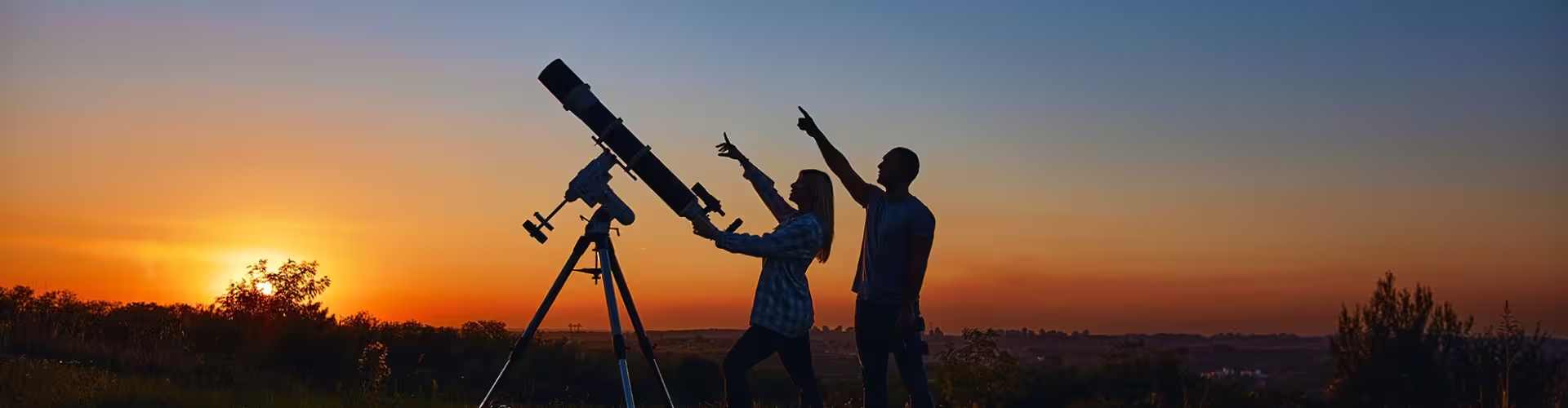
Stargazing is one of the most rewarding ways to escape city lights and reconnect with nature, science, and a sense of scale that is hard to find anywhere else. Whether you are planning a romantic getaway, a quiet solo night of skywatching, or a family outing, the right spot and timing can reveal constellations, bright planets, and even the Milky Way on clear nights. Travelers who enjoy astronomy, gentle outdoor adventures, and creative photography will especially appreciate experiences built around low light pollution, quality viewing areas, and expert guidance.
Locations vary by destination; the best viewing is usually outside urban centers in areas with low light pollution, such as dark sky parks, rural viewpoints, or dedicated observatories. For planning, choose a site with safe night access, clear horizons, and straightforward navigation, especially if you are arriving after sunset.
Entry can be free at public viewpoints and some dark sky parks, while observatories and guided stargazing tours are typically paid and may require advance booking. Opening hours often vary by season and sunset time, with the best viewing commonly starting 60 to 120 minutes after sunset and improving as the night darkens. Plan 1.5 to 3 hours for a comfortable session, longer if you are doing astrophotography or joining a talk and telescope viewing.
Accessibility depends on the site; some observatories provide step free routes, ramps, and accessible toilets, while remote viewpoints may involve uneven ground or short walks in low light. If you need step free access, confirm surfaces, distance from parking, and whether a viewing platform is available before you go.
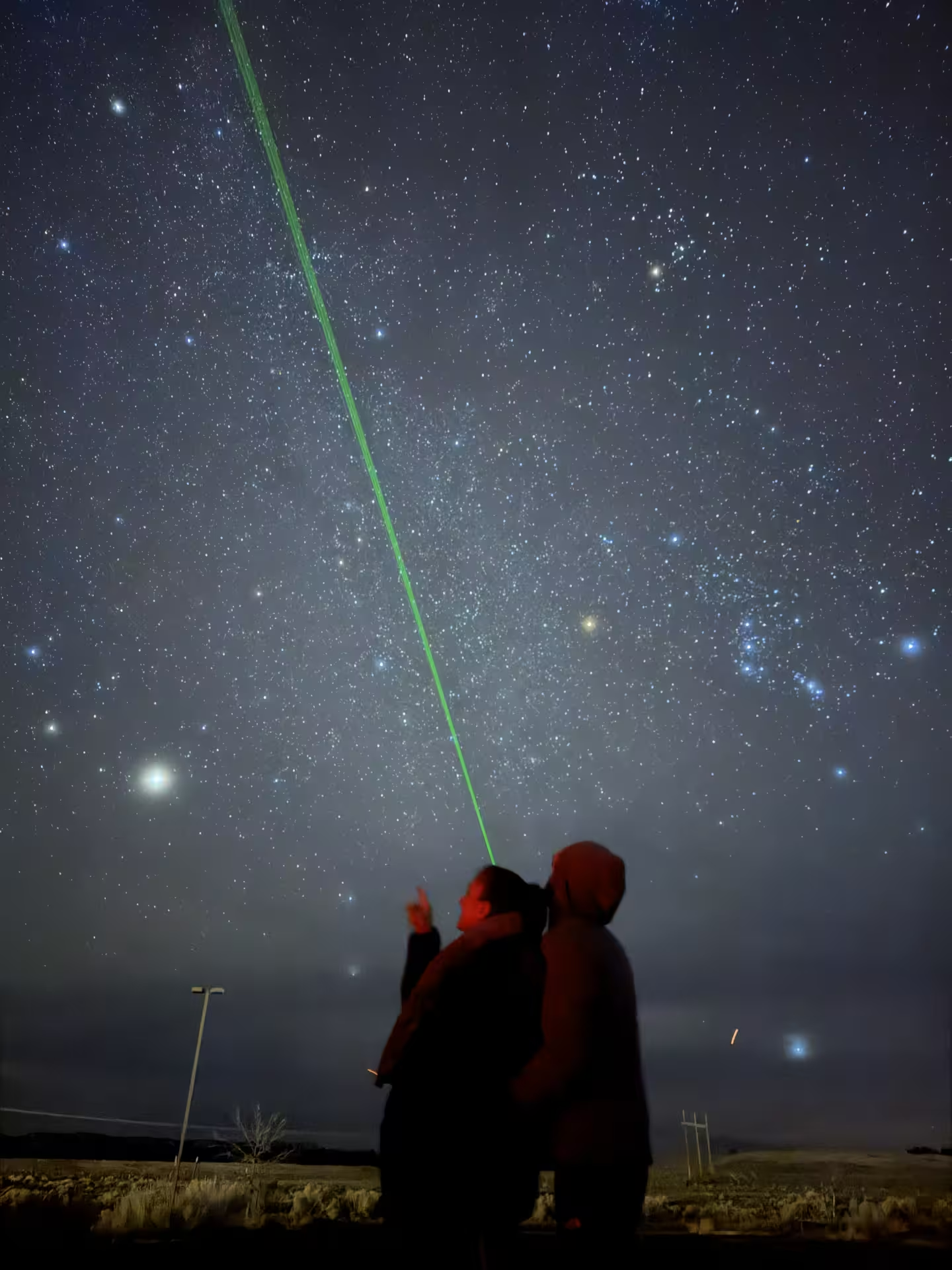
Focus on escaping city lights to experience the night sky clearly, including constellations, meteor showers, and the Milky Way. Highlight dark sky locations, observatories, and guided stargazing tours that suit romantic getaways, camping under the stars, and astrophotography.
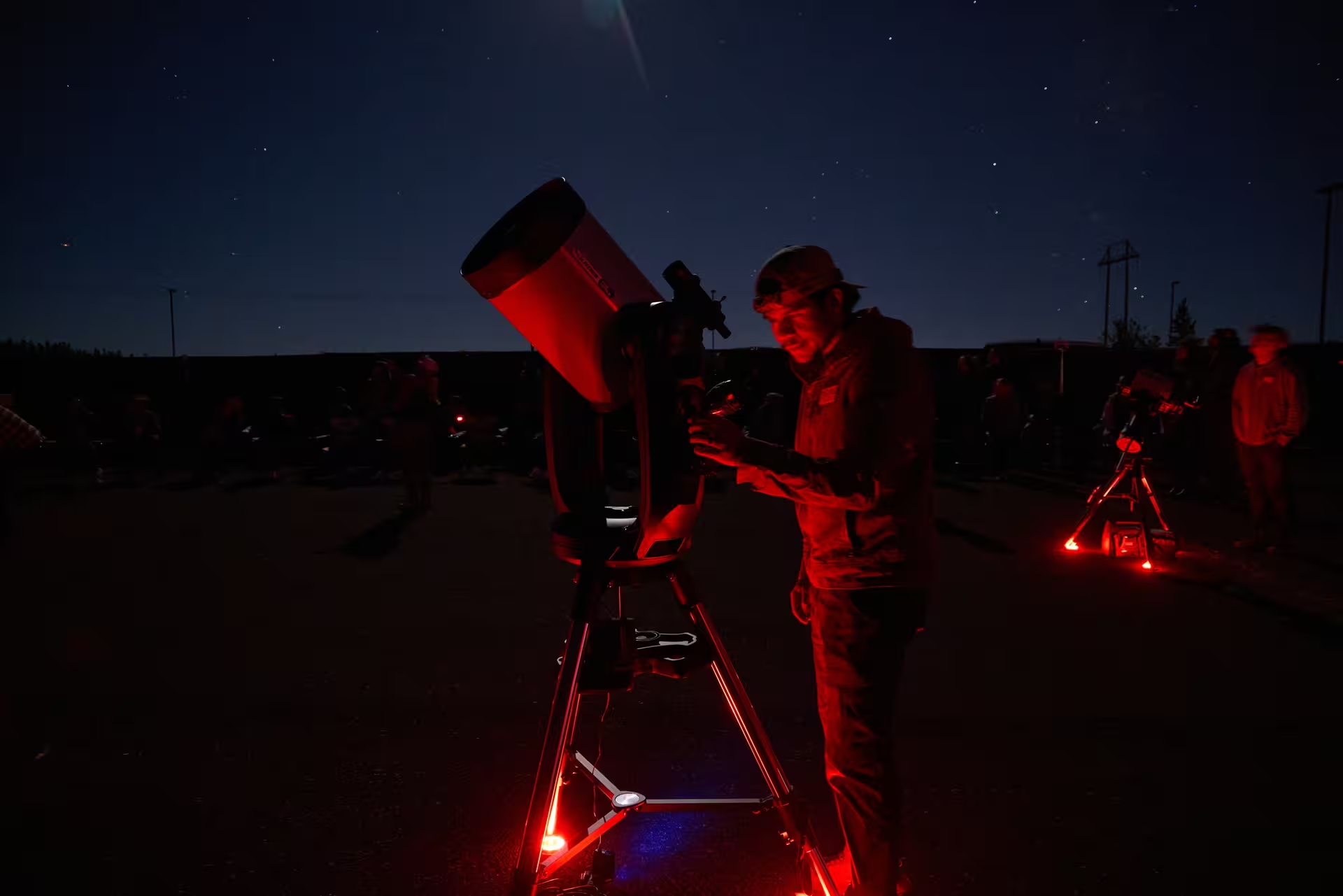
A typical Stargazing outing starts with arriving before full darkness to get oriented, choose a sheltered viewing spot, and let your eyes adapt for at least 20 minutes. Many visitors begin with easy targets such as the Moon and bright planets, then move to constellations and deep sky objects once the sky darkens, finishing with wide sky scanning for meteor showers or a band of the Milky Way. Common pitfalls include arriving too late to find safe parking, using bright phone screens that ruin night vision, and visiting during bright moon phases when faint stars are washed out.
For Stargazing, the simplest approach is usually to drive or take a taxi to a designated viewpoint, dark sky parks access road, or an observatories visitor area, since public transport can be limited after sunset. If you do rely on transit, plan your return first, check last departures, and consider a pre booked ride for the end of the night. Dress for rapid temperature drops, bring a headlamp with a red mode if possible, and avoid roadside pull offs that are not clearly marked or safe for nighttime stopping.
Nearby options depend on the specific viewing site, but these are common pairings that work well around most Stargazing locations.
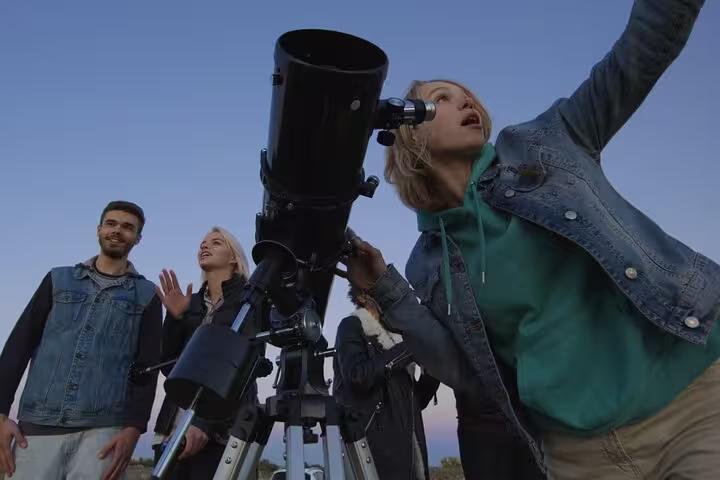
Most people enjoy 1.5 to 3 hours, which allows time for eye adjustment, orientation, and relaxed viewing. If you are doing Stargazing with telescopes or photography, plan closer to 3 hours for setup and pacing.
Public viewpoints are often free, while observatories and guided stargazing tours may require paid tickets or donations. Inclusions vary, but commonly cover expert guidance, shared equipment such as telescopes, and a structured program focused on celestial events.
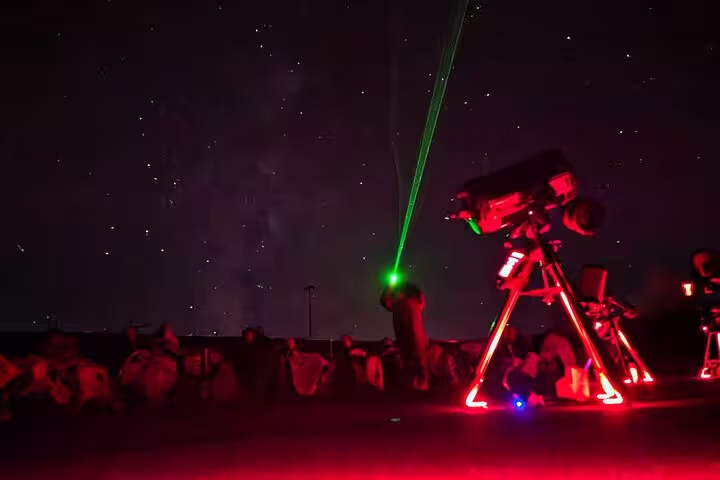
Meet at the designated parking area, visitor center, or signed trailhead listed by your venue or tour operator. Arrive before full darkness, follow posted lighting rules, and keep a small red light handy to navigate without disrupting others.
Cloud cover, wind, and humidity can reduce clarity, and bright moon phases can wash out faint stars and the Milky Way. If conditions are poor, switch to Moon and planet targets, or reschedule Stargazing for a clearer night closer to a new moon.
Accessibility varies widely, from paved platforms at some observatories to uneven terrain at remote viewpoints. Language options depend on the provider, so check in advance if you need a specific language or communication support.