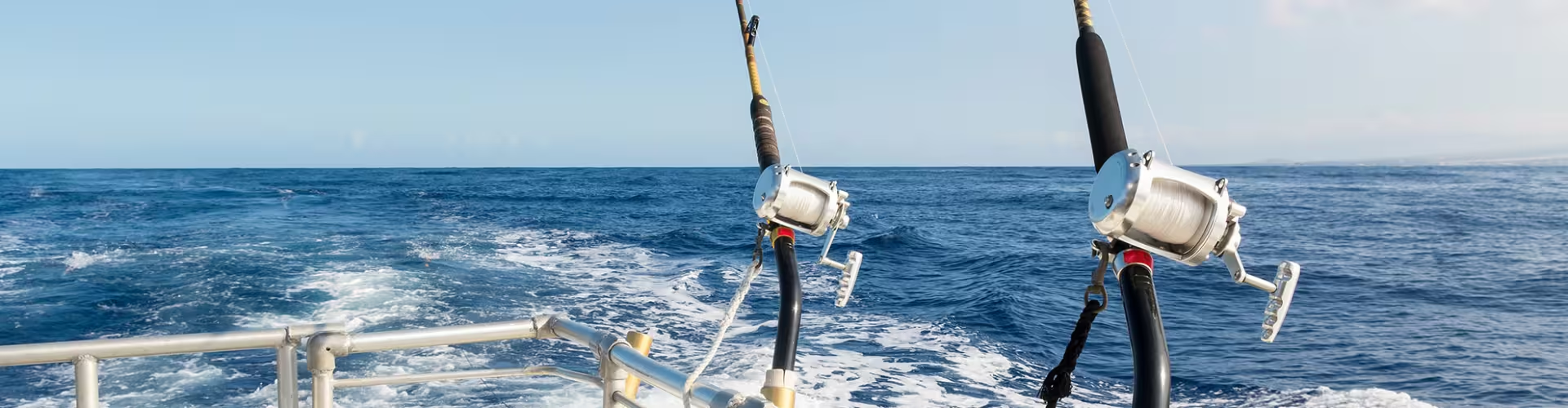
Sea Angling is a classic coastal experience that blends relaxed time outdoors with the practical skill of reading water, wind, and moving tides. Whether you are trying shore fishing at sunrise, pier fishing with family, or joining charter fishing offshore, it is an easy way to connect with seaside culture while enjoying scenic horizons and fresh sea air. Beginners appreciate the simple setup and clear learning curve, while experienced anglers value the variety of techniques, from surfcasting to deep sea fishing.
Sea Angling is the practice of targeting saltwater species from the coast or at sea, using techniques shaped by local conditions, seasons, and tides and fishing patterns. It matters because it turns a coastline into a living landscape, where timing and observation often matter as much as gear. Travelers who enjoy calm, scenic activities, hands on learning, and flexible pacing will find Sea Angling rewarding, whether they prefer quiet solo sessions or guided fishing tours.
Sea Angling is available in most fishing destinations with public coastline access, including beaches, harbors, rocky headlands, and piers. Access typically depends on local rules for public waterfront areas, and some popular fishing spots are easiest to reach by coastal paths or marina walkways.
Costs vary, and Sea Angling can be free if you fish from public shore access with your own gear, or paid if you book fishing trips such as boat fishing or charter fishing. Opening hours usually follow daylight and local access rules, and conditions vary by season; a typical session lasts 2 to 4 hours, while offshore trips often run 4 to 8 hours. Reservations are not required for casual shore sessions, but are strongly recommended for guided fishing guides and organized fishing tours, especially on weekends and during peak best time to fish periods around dawn, dusk, and tide changes.
Accessibility depends on the platform you choose. Many promenades and some piers offer step free routes and smooth surfaces, while rock fishing areas are often uneven and exposed; boat access varies by operator and vessel layout. If you need step free boarding, stable rail positions, or accessible toilets, confirm in advance with the harbor or charter operator, and consider sheltered piers as an easier option.
Sea Angling should feel like coastal adventure grounded in local rhythm, with emphasis on tides, seasons, and scenic, relaxing pacing. Highlight flexible options, from shore to pier to boat, and keep guidance practical for beginners and experienced anglers alike.
A typical Sea Angling session starts with choosing a safe platform, checking wind and swell, then timing your fishing around the most productive tide movement. Many travelers do best by arriving early, setting up calmly, and spending the first 15 minutes watching the water for bait activity and current lines before committing to a spot. Common pitfalls include ignoring local rules and fishing licenses, underestimating slippery surfaces on rocks, and bringing the wrong weights or rigs for current strength, so plan for changing conditions and keep your setup adaptable.
For shore fishing and pier fishing, the simplest approach is usually to head to the main waterfront, marina, or public beach access where paths are clear and lighting is better at dawn and dusk. If you are driving, arrive early to park closer to safe access points, and avoid carrying heavy gear long distances by packing efficiently and using a small tackle bag. For boat fishing and deep sea fishing, meet at the harbor well before departure for check in and safety briefing, and always plan for weather changes, including wind shifts, rain squalls, and stronger swell than expected.
Because Sea Angling is most often done along active waterfronts, you can usually build an easy half day by clustering stops nearby.
Plan 2 to 4 hours for a relaxed shore session, which gives time to set up, test a few rigs, and fish through a tide change. Offshore trips often take 4 to 8 hours due to travel time and safety briefings.
Sea Angling from public shore access may be free, but you may still need fishing licenses depending on local rules. Paid options such as charter fishing typically include the boat, crew, and basic safety gear, and may include shared tackle or bait depending on the operator.
For most travelers, starting with pier fishing or calm shore fishing is easiest because footing is stable and you can learn knots and casting without pressure. Choose boat fishing if you want guided positioning, access to deeper water, and help with technique.
The best time to fish is often around dawn or dusk and during moving tides, when feeding activity increases and water movement brings bait past structure. If wind, swell, or storms build, prioritize safety, move to sheltered platforms, or reschedule, especially for exposed rocks and offshore trips.
Sea Angling can be accessible on some promenades and piers with step free routes, while rocky areas are usually not suitable for limited mobility. On guided trips, languages vary by operator, so confirm in advance if you need instructions in a specific language or require help with boarding and seating.