Sailing is one of the most flexible ways to explore coastlines and islands, blending freedom, nature, and a comfortable pace that suits both first timers and seasoned mariners. From calm bays to open water passages, you can shape the experience around relaxation, learning, or pure exploration. This guide helps you compare routes, seasons, boat styles, and planning essentials for a smarter sailing decision.
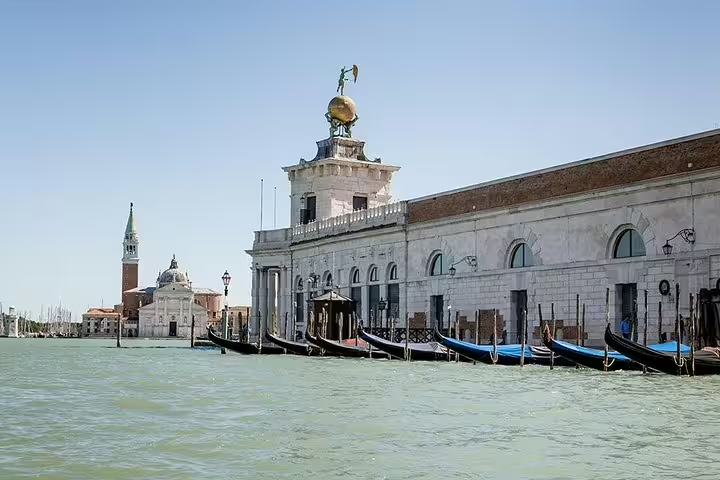
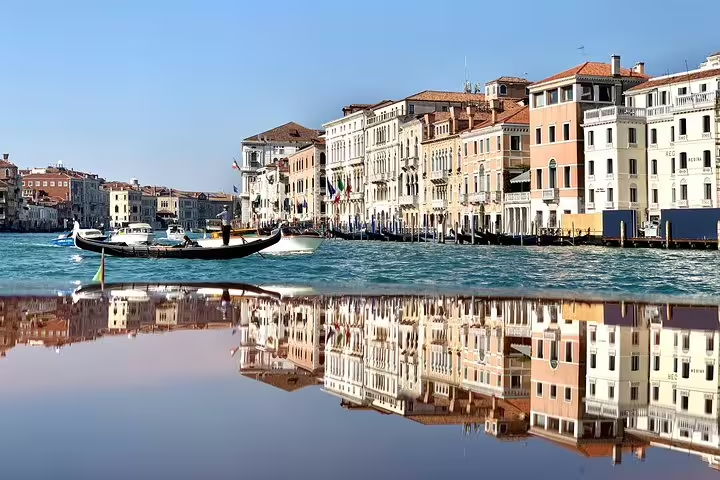
As an attraction, sailing is not tied to one city, it happens wherever there is navigable coastline, islands, and marinas. Many travelers start from major coastal hubs with strong transport connections, such as Athens for Greece sailing, Split or Dubrovnik for Croatia sailing, Naples or Palermo for Italy sailing, Bodrum or Fethiye for Turkey sailing, and Phuket for Thailand sailing. For Caribbean sailing, common gateways include island airports with frequent regional connections, plus ferry networks between nearby islands.
Look for a departure marina with reliable provisioning, clear check in procedures, and protected waters nearby for your first day. A good marina guide is as valuable as a map, it helps you understand fuel docks, showers, power hookups, and local rules.
The best time to sail depends on wind patterns, temperatures, and how busy popular harbors get. In the Med, late spring and early autumn often balance warm water with fewer crowds, while mid summer brings peak demand and higher prices, especially for Mediterranean sailing in Greece, Croatia, Italy, and Turkey. In the tropics, aim for the drier months when seas are calmer and visibility is better for snorkeling from a sailboat, while also keeping an eye on cyclone or hurricane seasons in exposed regions.
If you want gentler conditions, choose shorter passages, protected gulfs, and early morning departures before the afternoon sea breeze sailing builds. If you want more wind, plan a route that aligns with prevailing winds and pick dates when consistent breezes are typical.
Costs vary widely by destination and boat type. A basic sailboat rental with a bareboat charter can be cost effective for experienced crews, while a skippered charter adds professional handling and local knowledge. Premium boats and high season dates push prices up, while shoulder seasons can unlock better value for a budget sailing style trip. Expect additional line items such as fuel, marina fees, end cleaning, linens, local taxes, and provisioning.
Cards are widely accepted in larger marinas and provisioning stores, but keep cash for smaller harbors, mooring fees, and tips where customary. Build a buffer for weather changes, you may need an extra night in a marina or a longer route to avoid uncomfortable sea states.
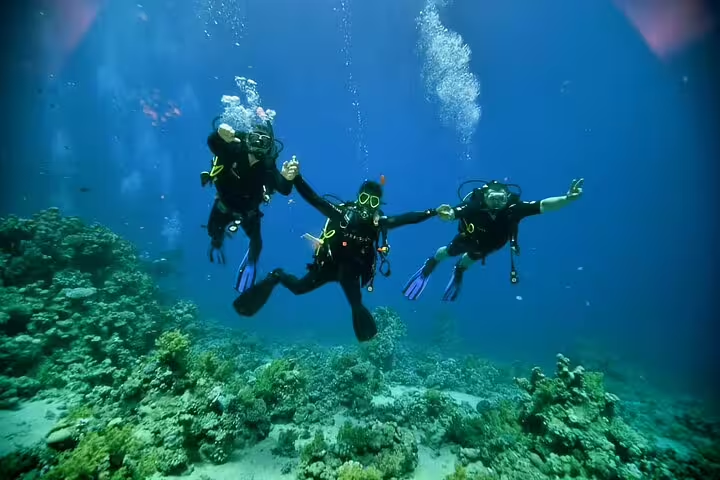
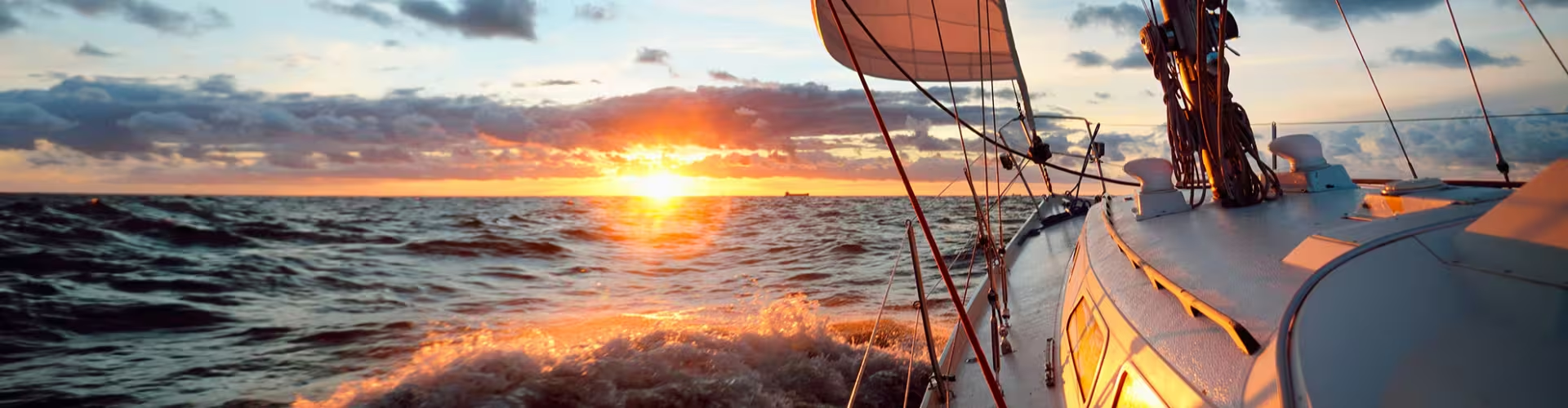
Start with a morning briefing and a short coastal leg to get comfortable with lines, sails, and onboard routines. Anchor for a swim and snorkeling from a sailboat in a sheltered bay, then enjoy lunch onboard. In the late afternoon, cruise back along the shoreline for gentle coastal sailing, finishing with sunset sailing near the harbor before docking.
Day one, depart early, follow a simple sailing itinerary with one main passage and an easy arrival harbor, then explore the waterfront on foot and dine locally. Day two, add a second bay stop for swimming, practice anchoring techniques, and return via a different line of coast to experience changing wind angles and scenery. This format suits a short sailing vacation without feeling rushed.
Day one, settle in with a short hop and an overnight at anchor to learn the rhythm of boat life. Day two, commit to a longer leg that follows established sailing routes, arrive early, and spend the afternoon exploring beaches or historic streets depending on the region. Day three, do a relaxed return with time for a final swim stop, this is a realistic mini sailing adventure that still leaves margin for weather changes.
For multi day trips, your boat is your transport, but logistics still matter. Most travelers reach departure marinas by taxi, rideshare, bus, or train depending on the country, then walk to the dock with rolling luggage. In busy ports, allow extra time for provisioning, check in, and loading, marinas can be spread out and parking is limited.
Once underway, plan passages with conservative timing and avoid night arrivals unless your crew is experienced. Use local guidance for harbor approaches, and keep a simple routine for watch keeping, hydration, and sun protection.
This page focuses on sailing as a global travel attraction that can be experienced across major coastlines and island regions, from the Mediterranean to the Caribbean and Southeast Asia. It was written by Toursxplorer.com to guide travelers in choosing routes, seasons, and charter styles that fit their goals.
Q: Do I need experience to go sailing?
A: No, many travelers choose a skippered option so they can relax while learning the basics. If you want to build skills, combine the trip with sailing lessons and short daily passages.
Q: What is the difference between bareboat and skippered charters?
A: A bareboat charter means you operate the boat yourself and you are responsible for navigation and docking. A skippered charter includes a professional skipper, which is often ideal for first timers or anyone who wants a low stress sailing vacation.
Q: How do I choose the best time to sail?
A: Start with the region’s wind and storm patterns, then match them to your comfort level and crowd tolerance. Shoulder seasons often offer pleasant weather and better value, but always keep flexibility for changing conditions.
Q: Are sailing trips suitable for families?
A: Yes, with the right route and boat choice, a family sailing holiday can be safe and fun. Pick short hops, calm anchorages, and plan plenty of swim stops and shaded downtime.
Q: What should I budget for a private sailing tour?
A: Pricing depends on destination, boat size, season, and whether food, drinks, and equipment are included. For a clear comparison, ask for an itemized quote that lists marina fees, fuel policy, and any crew costs.