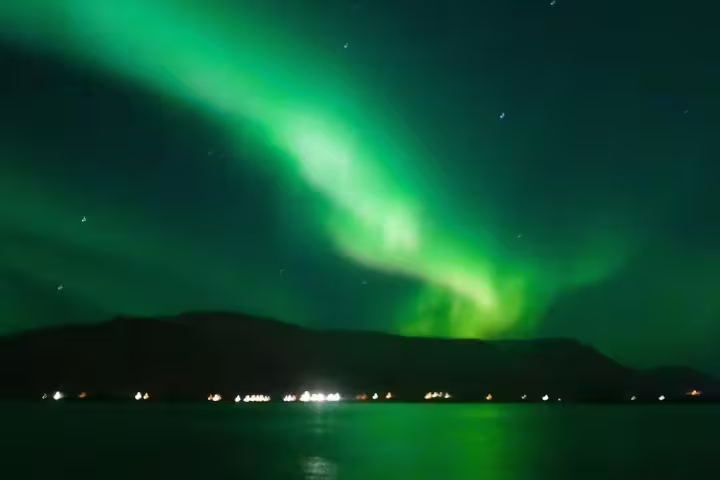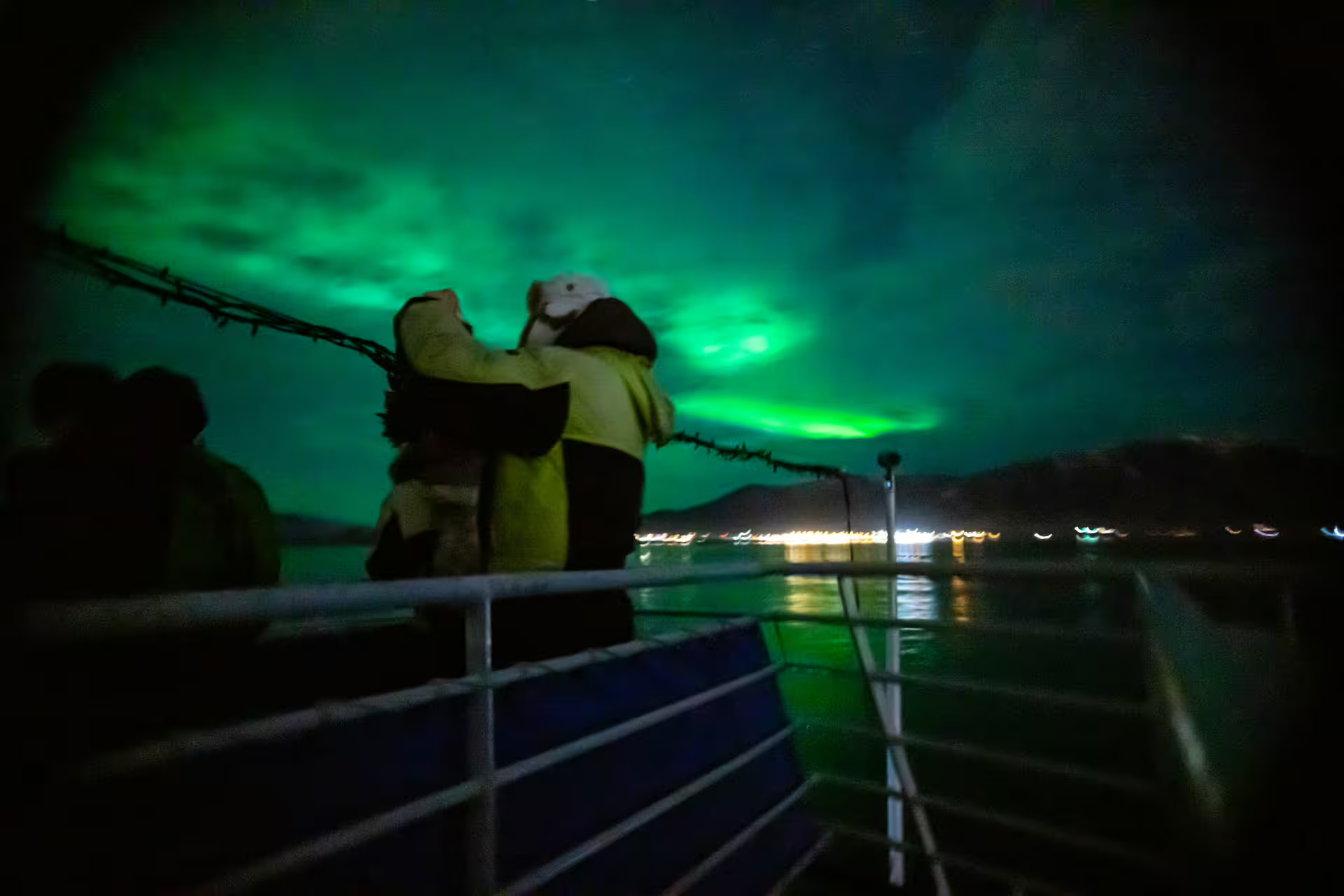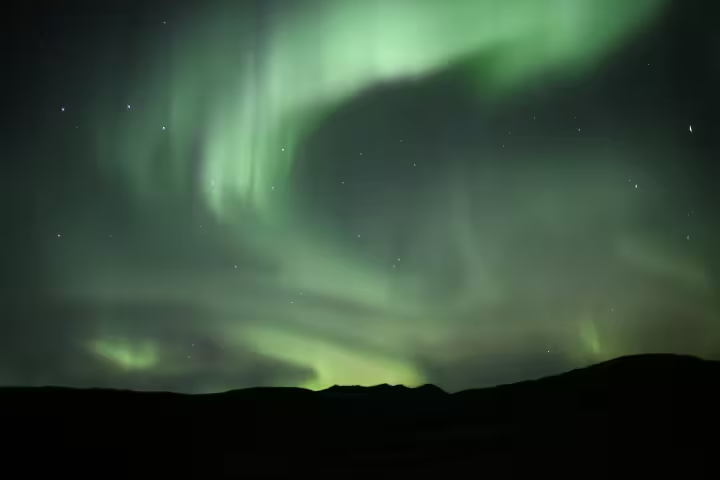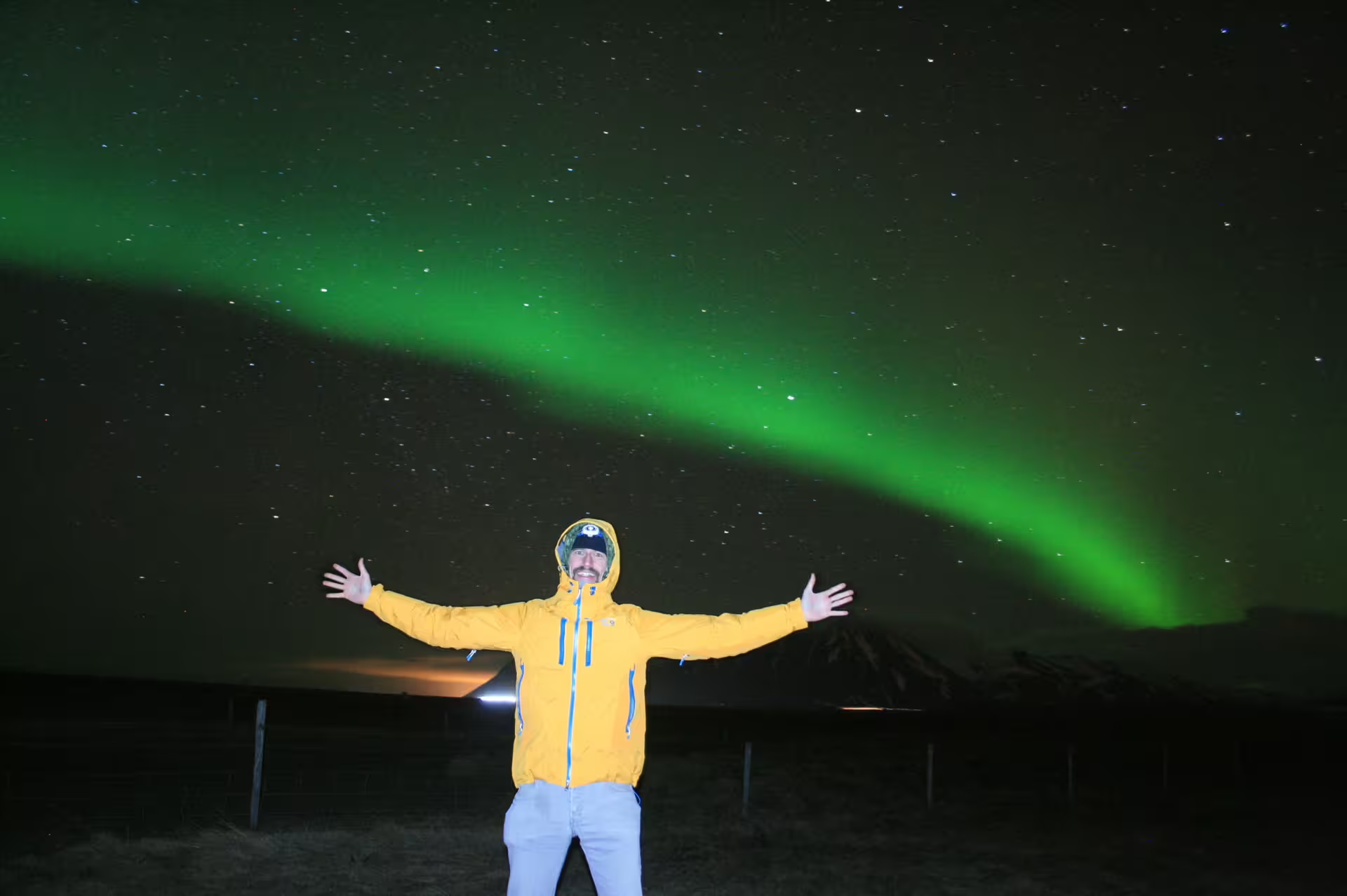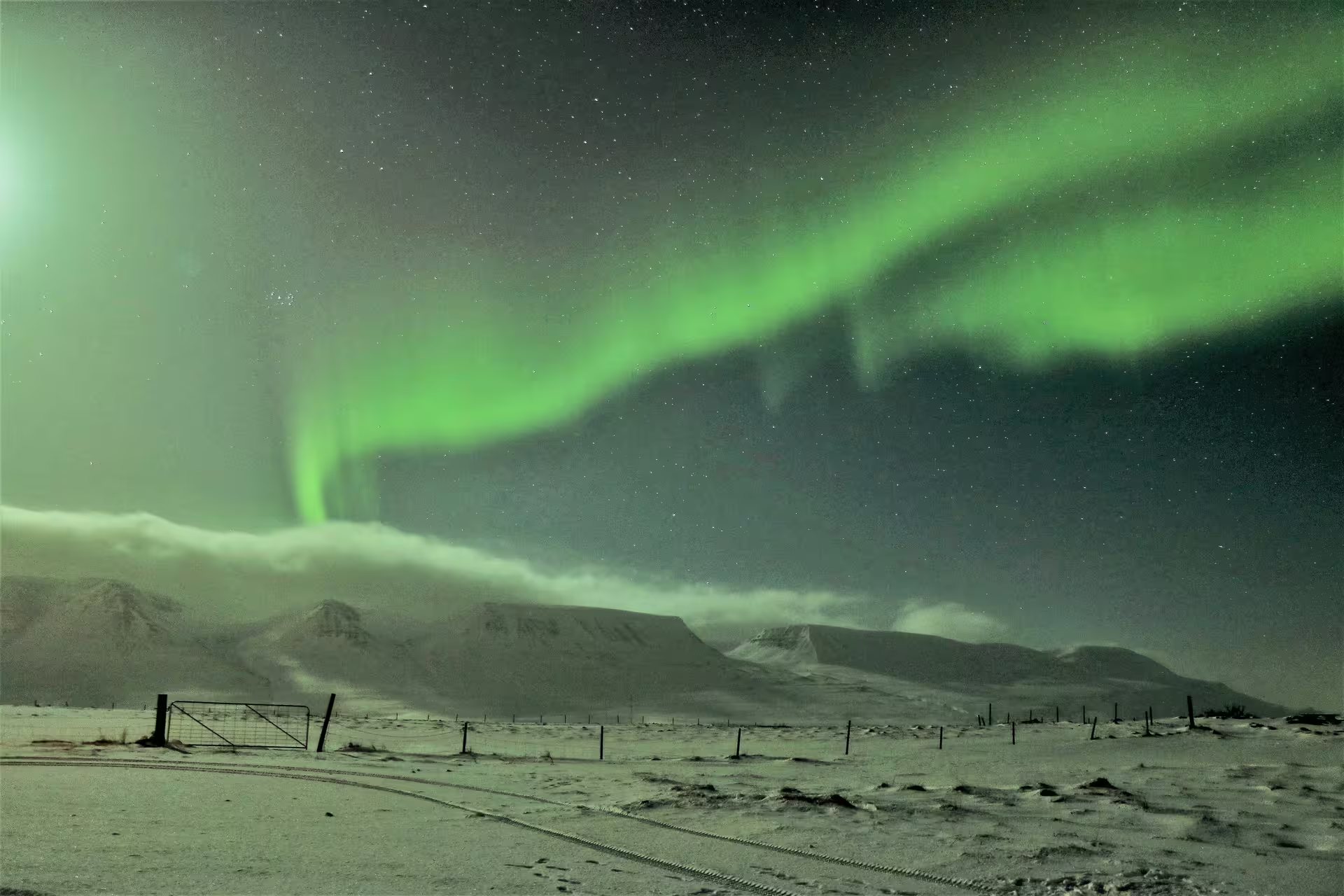


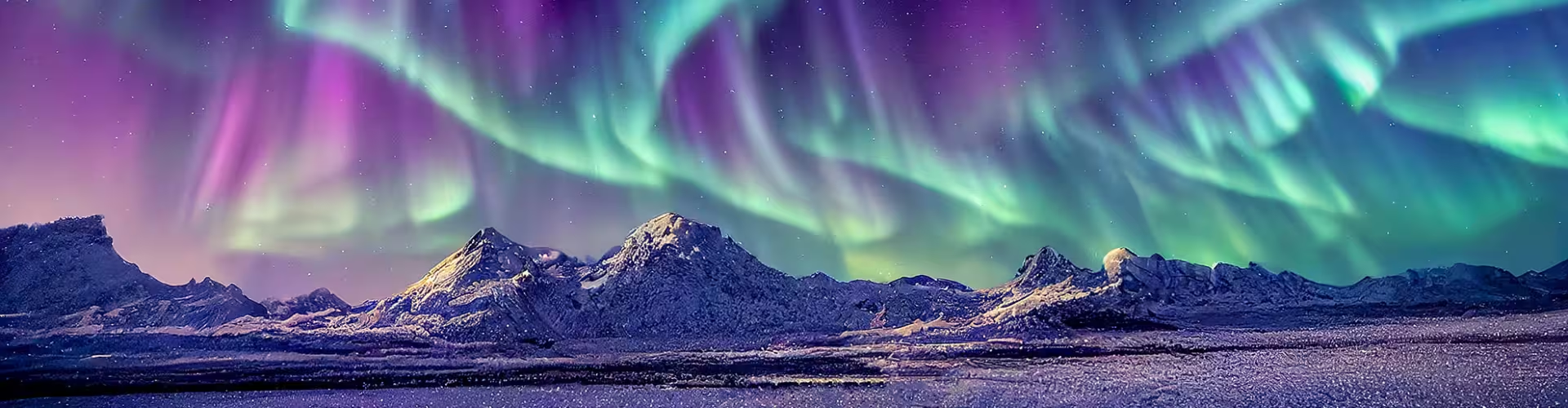
The Northern Lights, also known as the Aurora Borealis, are one of the most memorable natural spectacles on Earth, best experienced on crisp Arctic nights far from city glow. Travelers who enjoy winter travel, starry skies, and guided adventures will love combining aurora viewing with scenic drives, warm layers, and a little patience as the sky comes alive. With smart planning, including checking an aurora forecast and choosing dark sky destinations, you can dramatically improve your chances of seeing the famous dancing green arcs.
The Northern Lights are visible across high latitude regions near the Arctic Circle, with popular bases for aurora hunting in Iceland Northern Lights areas near Reykjavík, Norway Northern Lights routes around Tromsø, and Lapland aurora destinations in Finland and Sweden. Access depends on your chosen base town; most visitors join evening night sky tours that drive to darker viewing areas outside city centers.
Viewing the sky itself is free, but guided night sky tours and aurora hunting trips are paid and priced by destination, group size, and inclusions. Opening hours vary by season and weather; tours typically run in the evening and overnight, often starting after dinner and returning late. Plan 3 to 6 hours for a tour, or a full evening if self driving; reservations are strongly recommended in peak season because departures can sell out on clear nights.
Accessibility varies by operator and location; some tours offer step reduced boarding, assistance with winter conditions, and short walks from the vehicle to the viewing spot. If you need step free access, confirm vehicle type, walking distance on snow or ice, and whether rest stops include accessible toilets. Self guided viewing from roadside pullouts can be easier for some travelers, but requires careful planning for safety and weather.
Focus on crisp Arctic nights, guided aurora hunting, and practical decision support. Check the aurora forecast, aim for dark sky destinations, and choose proven regions such as Iceland, Norway, or Lapland for reliable winter conditions and unforgettable skies.
A typical Northern Lights evening starts with checking the aurora forecast and cloud cover, then choosing a departure plan, either a guided pickup or a self drive to a darker area. Tours usually begin with a short briefing, then a series of stops as the guide searches for clear patches of sky, which is why flexibility matters more than a fixed itinerary. Common pitfalls include staying too close to city lights, underdressing for long periods outdoors, and expecting constant activity, the best approach is to treat the night as an Arctic adventure where the sky may build slowly from faint arcs to brighter curtains.
How you reach the Northern Lights depends on your base location and whether you book a guided trip. In cities like Reykjavík or Tromsø, many operators offer central meeting points and hotel pickups, which is the simplest option during winter road conditions. If you self drive, prioritize well maintained routes, carry a full fuel tank, and watch for sudden weather changes, icy surfaces, and limited daylight, especially in remote Arctic Circle areas where services can be sparse.
Because the Northern Lights are a sky phenomenon rather than a single venue, nearby experiences depend on your chosen base town. These common pairings help you build a practical evening plan.
Most guided trips run 3 to 6 hours, including driving time to reach darker skies and waiting for activity. If you are self driving, plan a full evening so you can change locations if clouds move in.
The sky is free to watch, but most travelers book paid Northern Lights tours for transportation and local guidance. Inclusions vary, but commonly cover a guide, multiple viewing stops, and basic support for aurora photography.
Meeting points depend on the town, with many operators offering central pickups in places known for Reykjavik aurora tours or departures near the harbor for Tromsø aurora trips. Choose a tour with clear pickup instructions and a realistic driving plan to reach dark sky destinations.
The best time to see Northern Lights is during long, dark nights in winter, when clear skies and strong solar activity align. If clouds are heavy, guides may drive to alternate areas, but sometimes rescheduling is the most practical option.
Aurora viewing accessibility varies, some tours require short walks on snow or uneven ground, while others keep walking minimal by viewing closer to the vehicle. English is widely offered on Northern Lights tours in Iceland, Norway, Finland, and Sweden, but confirm language options when reserving.