




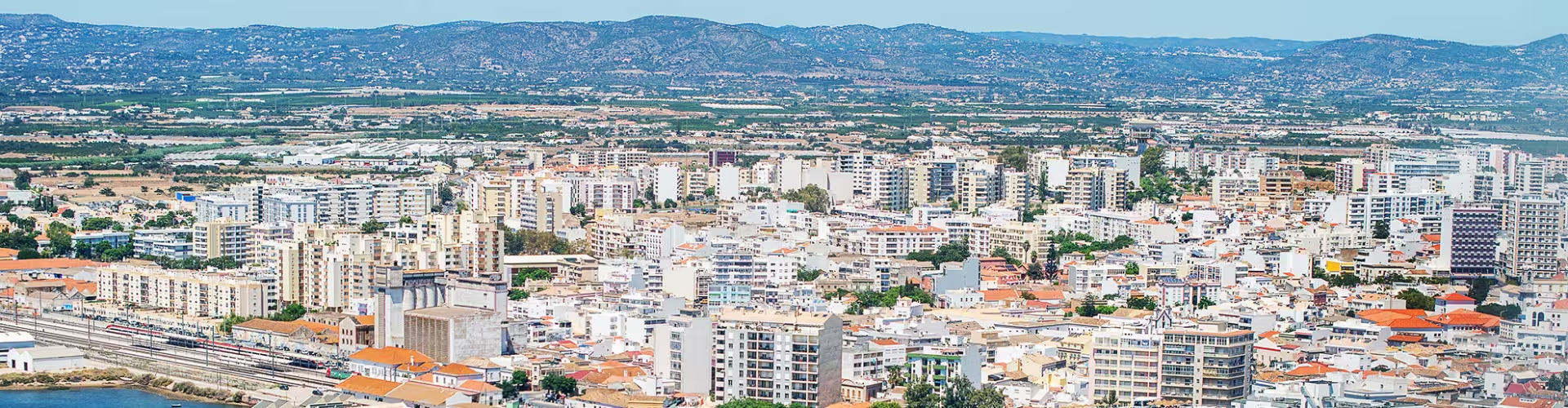
Faro is the relaxed gateway to the Algarve, combining a compact, walkable historic core with a lively waterfront and effortless access to the lagoons and islands of Ria Formosa. For travelers planning a Faro city break, it is an easy win for culture, local character, scenic boat trips, and unhurried beach time, all within a short radius.
Set in southern Portugal, Faro is the Algarve capital and a practical, enjoyable base for exploring the region without feeling rushed. You can start in the walled lanes of Faro Old Town, pause at Faro Marina for waterfront views, then finish the day on island sands inside Ria Formosa Natural Park. Visit Faro in Portugal if you enjoy short walks between landmarks, fresh seafood, and calm lagoon scenery that feels far from the airport bustle.
Faro sits in Faro District, southern Portugal, with the center clustered around Faro Old Town and Faro Marina. From Faro airport, the city is a short drive or taxi ride; local buses connect central areas and Praia de Faro depending on season and timetable.
Exploring the city streets, marina, and viewpoints is generally free; individual monuments may charge small entry fees, and boat trips into Ria Formosa are paid. Opening hours vary by season for churches, museums, and boat departures; plan for 2 to 6 hours depending on whether you add islands. Reservations are not required for a simple walking day, but booking ahead is wise for popular lagoon cruises and summer island ferries.
Accessibility is mixed, with flatter promenades around Faro Marina and some step free routes in modern areas, while Cidade Velha Faro includes cobblestones, narrow lanes, and occasional steps. Many public buildings vary by site; confirm ramps, lifts, and accessible toilets when choosing specific monuments. For a smoother route, prioritize the waterfront and main squares, then add historic lanes as comfort allows.
Focus on the charm of the walled Old Town and the easy marina atmosphere. Emphasize access to Ria Formosa Natural Park, lagoon boat trips, and island beaches for relaxed Algarve days. Keep the angle practical for culture, seafood, and scenic, low stress exploring.
A typical day in Faro works best in a simple sequence, start with a morning loop through Faro Old Town and Cidade Velha Faro, then walk down to Faro Marina for a relaxed waterfront break and boat departure options. If you are adding islands, aim to travel earlier for the smoothest connections and calmer sands, then return to town for an evening stroll and Faro food focused on seafood Algarve classics. Common pitfalls include underestimating cobblestones in the Old Town, arriving late for ferries in peak season, and forgetting wind layers for lagoon boats even on warm days.
Faro is one of the easiest arrivals in the region thanks to Faro airport, with quick transfers into the center by taxi, rideshare, or bus depending on your schedule. If you are using public transport, the central bus and rail stations make it straightforward to plan day trips from Faro across the Algarve, while local services can reach Praia de Faro in season. Drivers should expect limited, busier parking near the historic core, so it is often simpler to park outside the tightest streets and walk in; in summer, carry water and sun protection, and for boat trips pack a light windproof layer.
Arco da Vila, a natural starting point for entering the Old Town on foot and orienting your route.
Faro Cathedral and Sé de Faro, an easy add when you are already exploring Cidade Velha Faro.
Faro Marina, ideal for an evening promenade and checking departures for Ria Formosa cruises.
Igreja do Carmo and Capela dos Ossos Faro, a short walk from central streets and a strong cultural contrast to the waterfront.
Old Town walls and quiet squares, perfect for clustering into a compact Faro itinerary without long transit time.
For a city only visit, plan around 2 to 3 hours to cover the marina area and the main Old Town lanes at a comfortable pace. If you add a lagoon cruise or an island beach, a half day to full day is more realistic for Visit Faro in Portugal.
Walking around Faro, including the waterfront and many viewpoints, is generally free. Individual sites may charge small entry fees, and boat trips in Ria Formosa are paid, so check the day’s plan before you arrive.
Start at the Old Town side near Arco da Vila to see the historic core while temperatures and crowds are lower. Then finish at Faro Marina for an easier stroll and to line up boat departures or ferries.
The best time to visit Faro is typically spring and early autumn for warm days and fewer crowds, with summer best for long beach time. Lagoon boat rides can feel breezy, so bring a light layer even when the forecast is sunny, especially for Visit Faro in Portugal plans that include islands.
Accessibility varies, with smoother routes around the marina and more uneven cobblestones and steps inside the Old Town. Portuguese is the local language, and English is commonly used in tourism services, which helps when arranging boats, museums, and transport in Faro.