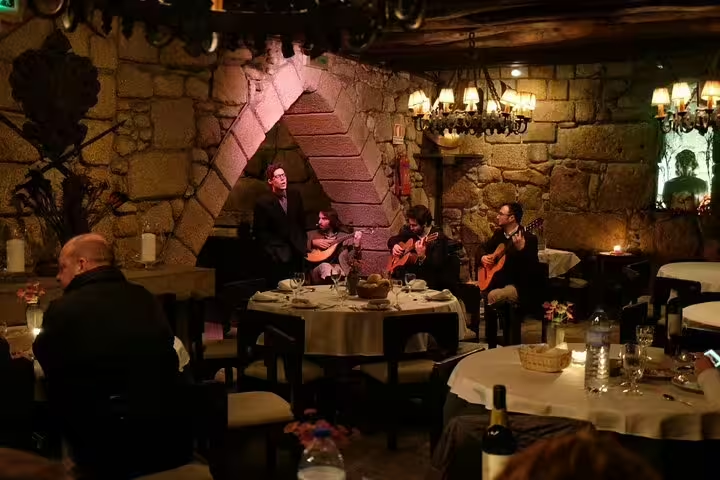





Steeped in longing and nostalgia, Fado music is the quintessential Portuguese art form, where voice and guitar converge to express saudade—that ineffable mix of melancholy, yearning and hope. Often performed in intimate taverns called Fado houses, this music invites listeners into a world of emotional candor, where every note resonates with centuries of cultural memory.
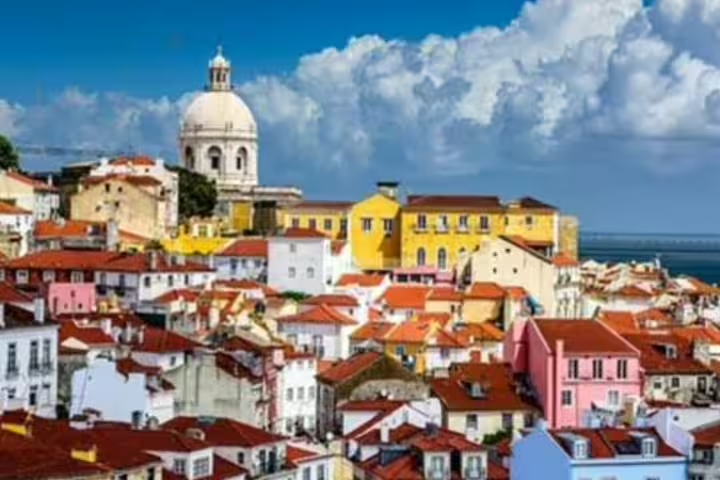
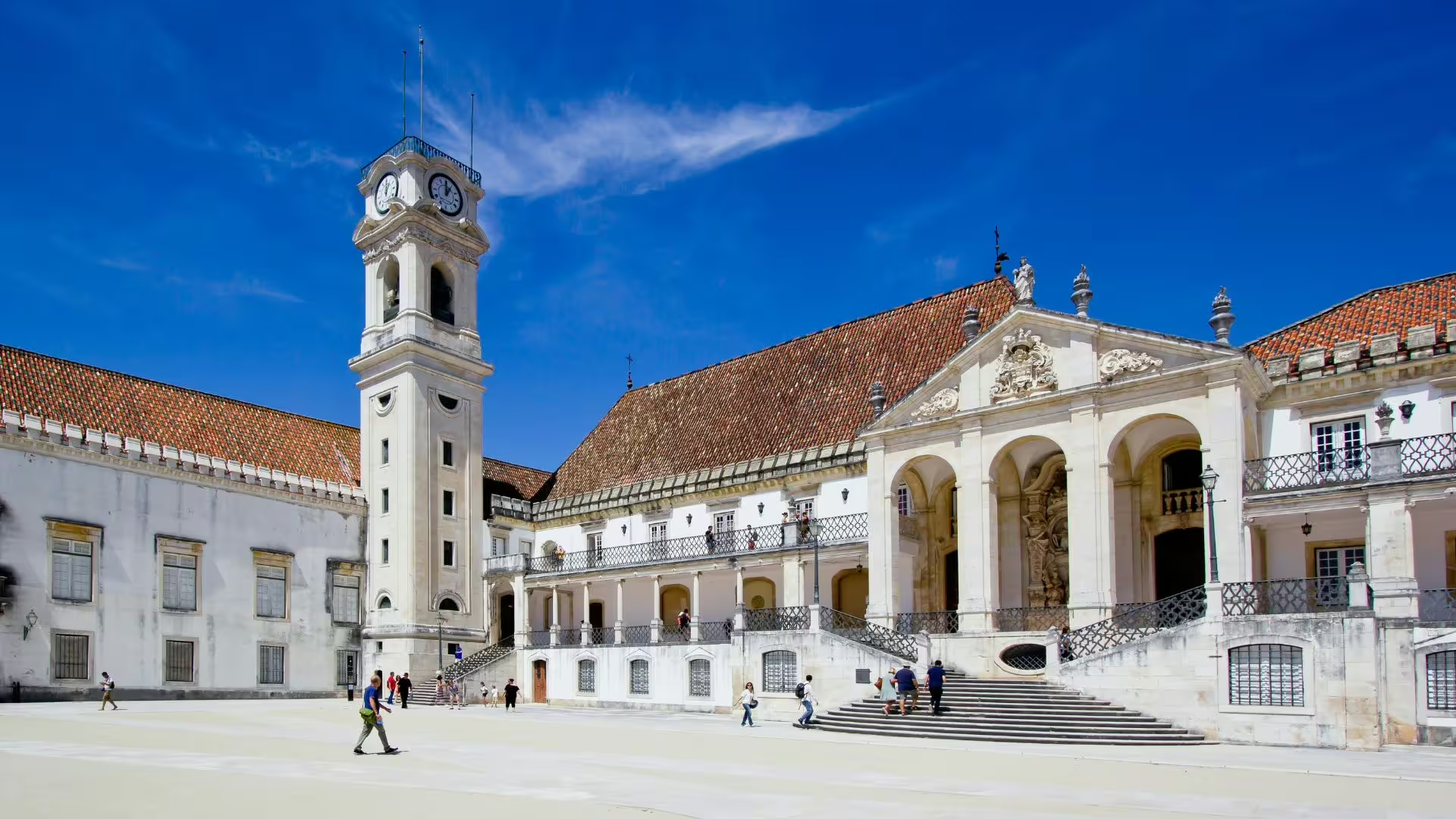
Tracing its roots to early 19th-century Lisbon fado, the genre emerged in the city’s docks and taverns. Sailors, laborers and street singers improvised heartfelt verses over rhythmic guitar accompaniment. Parallel to Lisbon’s urban strain, the academic style of Coimbra fado developed in the university town, marked by more formal serenades and male-only trios. Both traditions share the same poetic core but differ in performance context and repertoire.
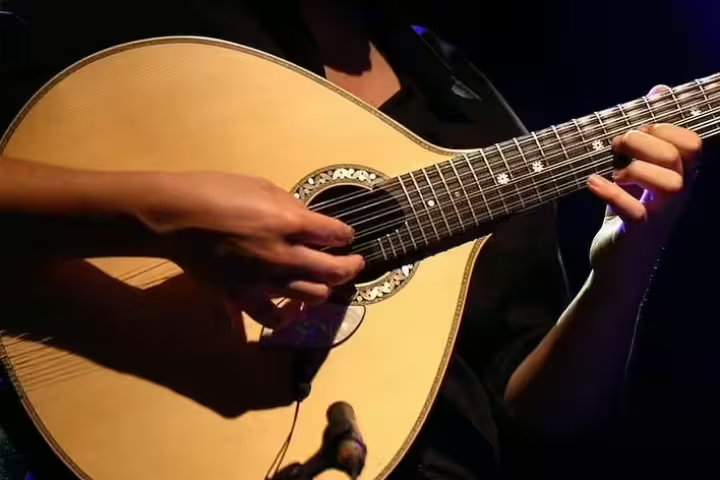
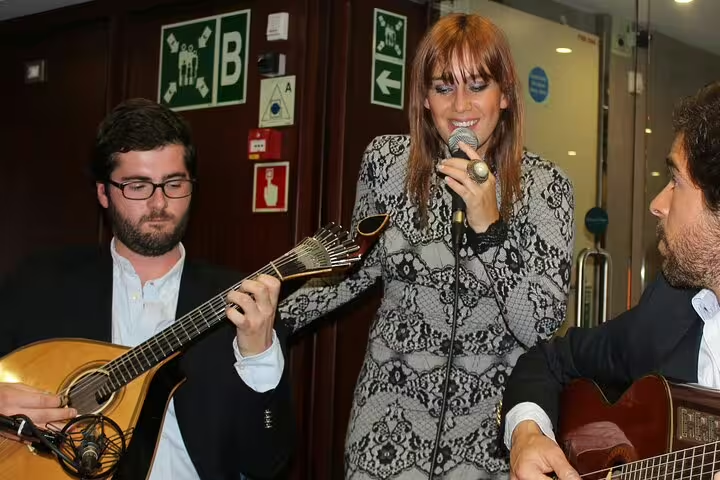
Instrumentation is deceptively simple yet richly expressive. The signature Portuguese guitar, with its twelve steel strings and pear-shaped body, weaves intricate arpeggios around the singer’s voice. A classical acoustic guitar—called the viola—provides harmonic depth, while occasional bass or double-bass lines underpin the melody. The result is a tapestry of timbres that range from delicate whispers to crashing emotional crescendos.
At the heart of every Fado song lies its lyrics—verses of unrequited love, exile, nostalgia for vanished times or moral reflection. Iconic Fado singers like Amália Rodrigues, known as the “Queen of Fado,” elevated the form on global stages, her voice conveying both fragility and strength. Today’s artists—Mariza, Ana Moura and Camané among them—blend tradition with contemporary influences, ensuring Fado’s relevance for new generations.
Experiencing Fado in situ is essential. In Lisbon’s Alfama and Bairro Alto districts, candlelit venues host nightly recitals where passionate cantares (songs) unfold over glasses of port or Ginja liqueur. Coimbra’s serenata ritual is a student tradition, as masked troubadours serenade lovers beneath moonlit balconies. These immersive experiences make Fado music not just a concert, but a living cultural exchange.
Recognized by UNESCO in 2011 as an Intangible Cultural Heritage, Fado continues to evolve while honoring its origins. Music schools now teach Portuguese guitar, and international festivals spotlight both established and emerging performers. Whether you’re drawn by its historic roots or its modern interpretations, Fado offers a uniquely Portuguese journey into the depths of the human heart—where every chord echoes with the magic of saudade.