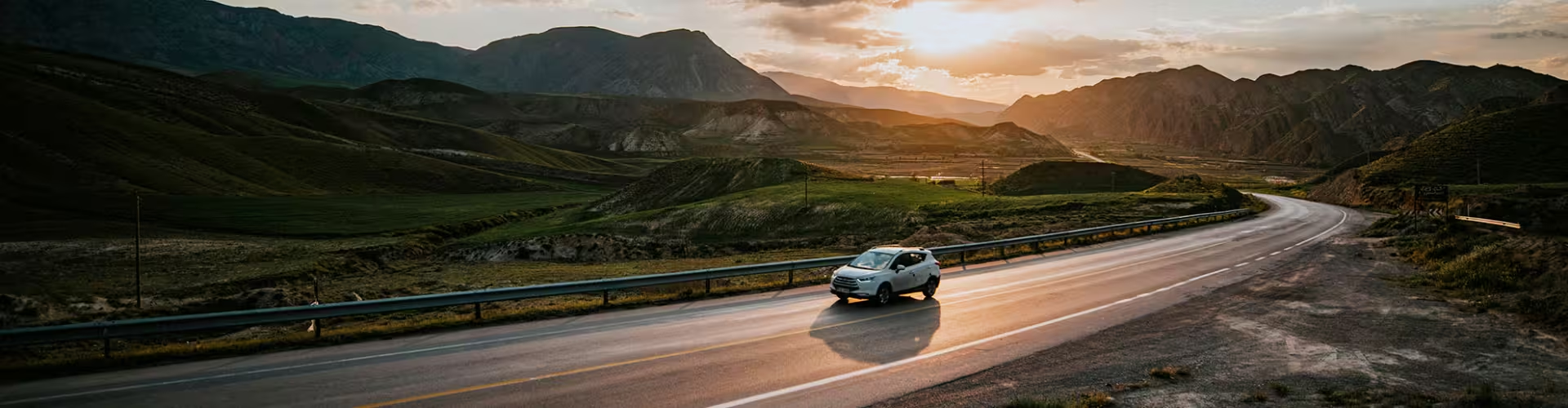
A Driving Tour is a flexible way to explore landscapes and communities on your own schedule, combining the freedom of travel by car with the structure of a clear plan. Whether you prefer a relaxed day drive or a multi day driving vacation, this format suits travelers who want scenic variety, frequent photo breaks, and the option to linger in small towns between major highlights. It is especially rewarding for families, couples, and independent explorers who enjoy choosing their own road trip stops and chasing panoramic viewpoints without rushing.
Because this is a general Driving Tour concept rather than a single venue, the starting point depends on your chosen scenic route and overnight plan. If you are not driving, you can often begin near a rail or bus hub, then pick up a rental car close to the station; this keeps the first and last legs simple.
Costs vary; many routes are free to drive, while some segments may include tolls, parking fees, or entry tickets for parks and attractions. Reservations are usually not required for the drive itself, but timed entries can apply to popular viewpoints, museums, or a national park drive during peak periods. Typical duration ranges from 2 to 6 hours for a day drive, or 1 to 3 days for a weekend road trip; the best start is early morning for quieter roads and softer light.
Accessibility depends on each stop, but a well planned Driving Tour can be highly inclusive because you control pacing and rest breaks. Look for step free overlooks, accessible toilets at visitor centers, and clearly marked accessible parking bays; some sites also offer audio guides or accessible shuttles from parking to viewpoints.
Keep the pace flexible, follow scenic roads, and build in time for viewpoints and local towns. Focus on uncovering hidden gems between major highlights, using a practical plan that supports a memorable, self directed trip.
A typical Driving Tour starts with a quick check of weather and road conditions, then follows a primary scenic drive corridor with planned stops every 30 to 60 minutes. Begin with the most time sensitive or popular viewpoint first, then settle into a steady rhythm of short walks, photos, and town breaks, finishing with a relaxed final stretch back to your base. Common pitfalls include overpacking the schedule, underestimating parking time, and skipping rest breaks, so keep your driving itinerary simple, build buffers, and prioritize a few high quality stops over too many quick pull offs.
If you are arriving without a car, the simplest approach is to use regional rail or intercity bus to a main transport hub, then rent a vehicle near the station or airport and begin your car tour from there. Drivers should confirm fuel availability on rural stretches, carry offline maps where reception is weak, and check seasonal conditions such as snow, fog, high winds, or wildfire restrictions that can affect a mountain drive or coastal drive. Always match your vehicle choice to the route, for example winter tires for cold regions, and avoid driving when fatigued, especially after long photo heavy days.
Because this is a general concept, the most convenient places to pair with your route are usually found near your starting hub or overnight base.
Most travelers plan 2 to 6 hours for a Driving Tour as a day drive, depending on how many stops and short walks you add. For a weekend road trip, plan 1 to 3 days with a lighter schedule each day to avoid fatigue.
The drive itself is often free, but you may pay for toll roads, parking, or entry fees at attractions along the way. A guided driving tour may include a guide and curated stops, while a self-drive tour typically includes only your vehicle and your chosen route.
A Driving Tour usually starts from your accommodation or a transport hub where you pick up a rental car. Choose a route by selecting one main scenic drive corridor, then adding a few reliable stops using a route planner to keep distances realistic.
Spring and autumn are often the easiest for comfortable temperatures and good visibility, while summer can bring heavier traffic at popular lookouts. Start early for quieter roads and better light at panoramic viewpoints, and keep a backup plan for rain, fog, or high winds.
Many routes can work well because you can drive close to viewpoints and choose stops with step free paths and accessible toilets. Language needs depend on the region, but navigation apps, offline maps, and clear signage often make a Driving Tour manageable even when you do not speak the local language.