Coffee Tasting turns a familiar ritual into a sensory expedition. In one session you can travel from volcanic highlands to misty cloud forests, guided by aroma, texture, and memory. A thoughtful tasting shows how altitude, variety, and processing create distinct character, so a bright Kenyan feels different from a honey sweet Costa Rican, and a cocoa toned Colombian comforts in its own way. For curious travelers and flavor seekers, exploring Specialty Coffee is a graceful gateway to culture, place, and craft.
Great tastings begin with origin. Hosts trace the journey of Arabica from seedling to ripe cherry, and explain how terroir, soils, rainfall, and temperature create unique flavor pathways. You learn why high grown beans often carry crisp acidity, why shade trees protect biodiversity, and how careful picking preserves sweetness. Names on the bag, a remote valley, a cooperative, a single farm, turn into people and landscapes you can picture.
Flavor deepens once you understand how cherries become green beans. A tasting will compare wash processed lots, clean and sparkling, with honey processed coffees, syrupy and sweet, and natural processed lots, often fruit forward and playful. Hearing about ferment time, drying patios, and raised beds reveals how small choices at origin echo through every cup. The result is not just taste, it is traceability and respect for the growers who shape it.
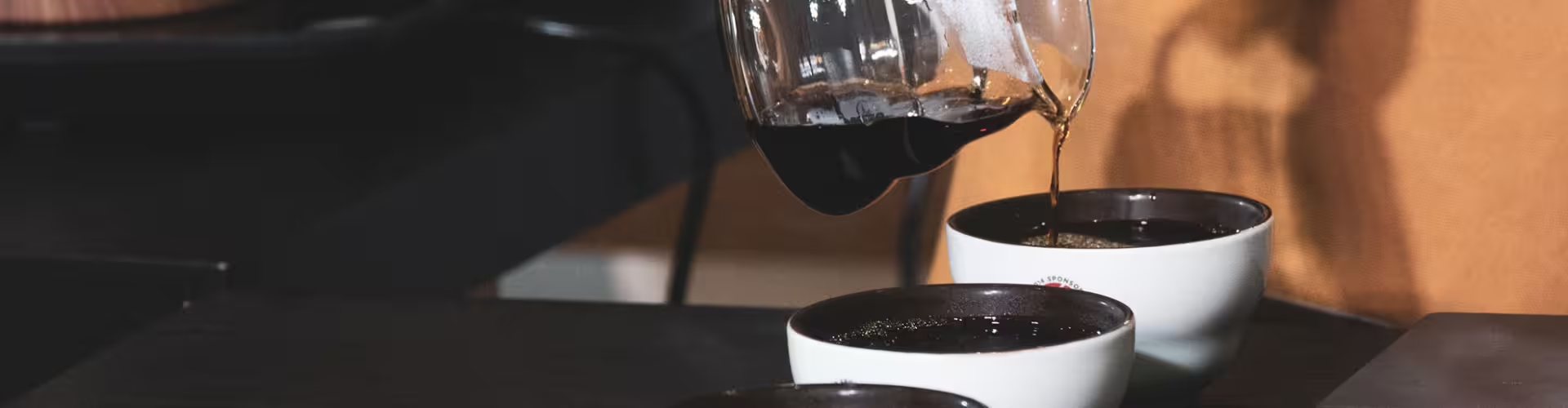
The classic ritual of cupping is where sensory learning clicks. Grounds bloom in warm water, releasing a halo of fragrance. You break the crust with a spoon, inhale, then slurp to spray flavor across the palate. It sounds theatrical, it is simply effective. Guides help you map aroma, acidity, body, sweetness, and finish. Notes may shift from red berries and citrus to caramel and toasted nuts, then to florals like jasmine or rose. With several bowls in a row you notice contrast and precision, and you begin to recognize the hallmarks of truly specialty grade coffee.
A skilled roaster tells the story of a bean without drowning it out. A light roast highlights origin clarity, a medium roast balances sweetness and structure, a darker roast leans into chocolate, smoke, and velvety texture. A good tasting might present the same coffee at two roast levels so you can feel how time and temperature change the cup. The concept of a roast profile, charge temperature, rate of rise, development time, becomes understandable when you taste the results side by side.
Quality coffee is living and aromatic. You will learn why roast dates matter, why whole beans keep character longer than pre ground, and how a simple airtight container protects your investment. These small habits connect to what you taste, and they empower you to recreate excellence at home.
Brewing brings the art to your hands. A guided session lets you compare a clean pour over, a rich espresso, and a plush immersion brew like French press. You may try Aeropress for clarity with body, or a slow cold brew for silk and low acidity. The instructor demystifies water temperature, grind size, and ratio, so a recipe like 1 to 16 becomes a friendly starting point rather than a rule. Watching a barista craft latte art is delightful, trying it yourself is better, and you soon see how milk texture frames sweetness and balance.
Many experiences include pairings that help flavors pop. Taste a bright coffee beside dark chocolate and watch the fruit sing. Try a nutty cup with aged cheese, or a floral Ethiopian with a citrus tart. Some tastings use aroma kits so you can train recognition of vanilla, clove, or black tea. Others explore micro lot rarities with limited harvests, where jasmine and peach surprise even seasoned tasters. The point is not to memorize a flavor wheel, it is to build your own mental library and trust your senses.
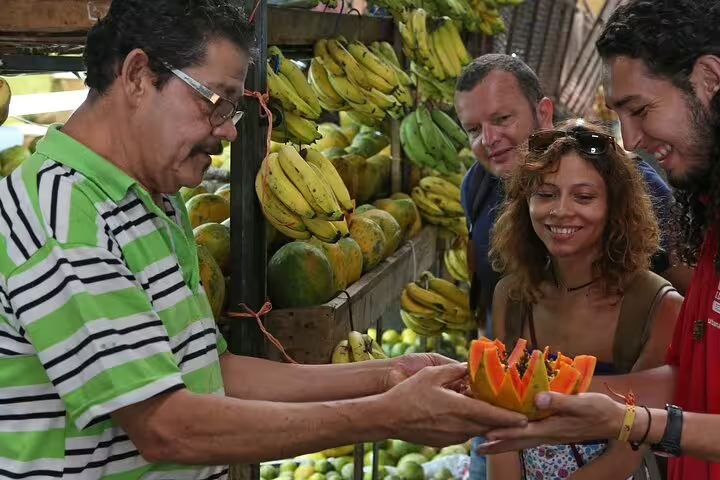
Coffee Tasting is not confined to a table. City tours might string together roasteries and cafés where you watch a probat spin, hear beans crack, and sip next to the cooling tray. Rural routes can bring you to coffee farms for cherry picking and depulping, then to drying beds and a mill. Meeting producers offers a larger picture, you hear about seasonal risks, fair pricing, and community projects. When you later sip a brew in a quiet café, that cup carries stories of weather, work, and patience.
Hosts often introduce simple frameworks for evaluation, clean versus tainted, balanced versus unbalanced. You will touch on the idea of a grading protocol, but the emphasis stays practical. Terms like single origin, blend, direct trade, and sustainable farms become clear. You leave ready to read a label with confidence and to support roasters who value transparency and farmer partnership.
Beyond tasting, workshops teach you to brew elegantly at home. A barista shows how to dial in espresso, adjust grind size until the shot runs sweet, then steam milk into glossy paint for simple hearts and tulips. Manual brew classes break down flow control, how a pulse pour affects extraction, how a flat bed yields clarity. If you love gadgets, you can try scales, gooseneck kettles, and refractometers. If you love simplicity, you can master a reliable method with what you already have in your kitchen.
Thoughtful tastings highlight the social and environmental side of coffee. You might learn how shade canopies protect birds and soil, or how water recycling reduces mill impact. Conversations about fair pricing and long term partnerships show how your choices affect the people who grow what you love. The result is a richer relationship with each cup, guided by taste and by values.
Coffee Tasting is intimate and generous. It slows travel to a human pace, seats you across from a farmer, a roaster, or a barista who shares their craft with care. You learn to taste more, but you also learn to notice more, the warmth of a café in the morning, the rhythm of a harvest season, the pride of a well pulled shot. Whether you are a seasoned enthusiast or a curious newcomer, this experience connects you to place and to people in a way that feels both refined and welcoming.
Shape a day around flavor and learning. Start with an origin focused cupping, add a roastery tour, then close with a guided brew session that sends you home confident and inspired. When you are ready to arrange tastings, farm visits, and smooth logistics, Toursxplorer.com can help curate a route that matches your pace and palate.