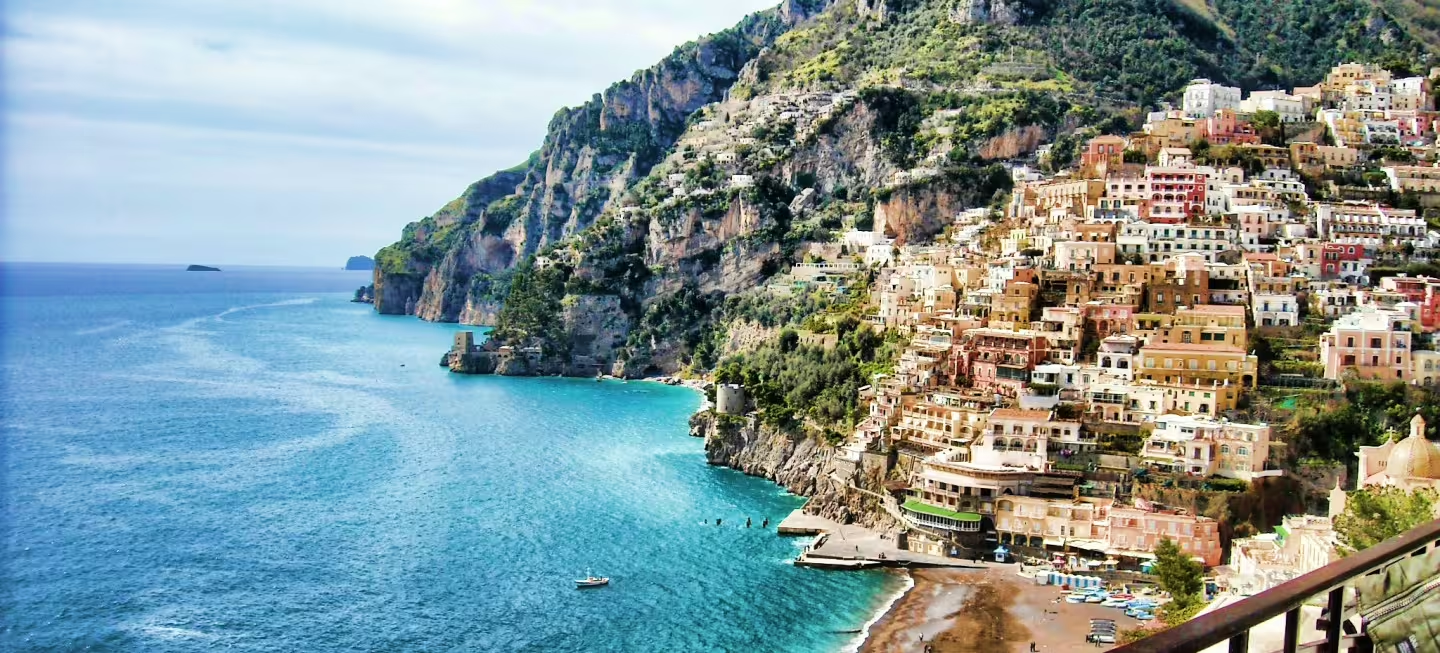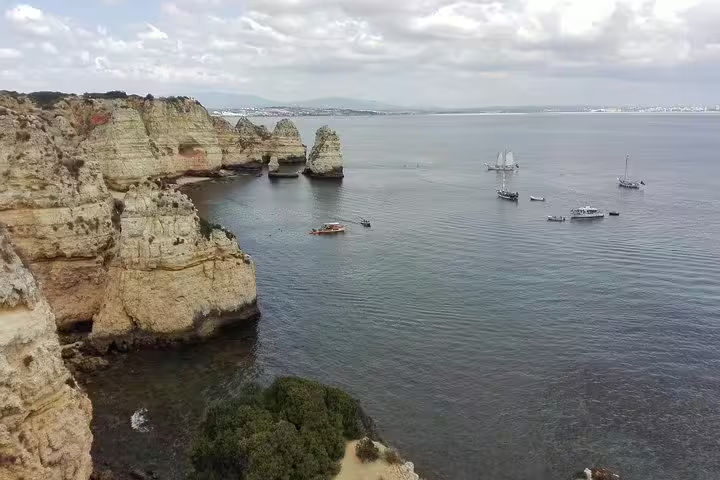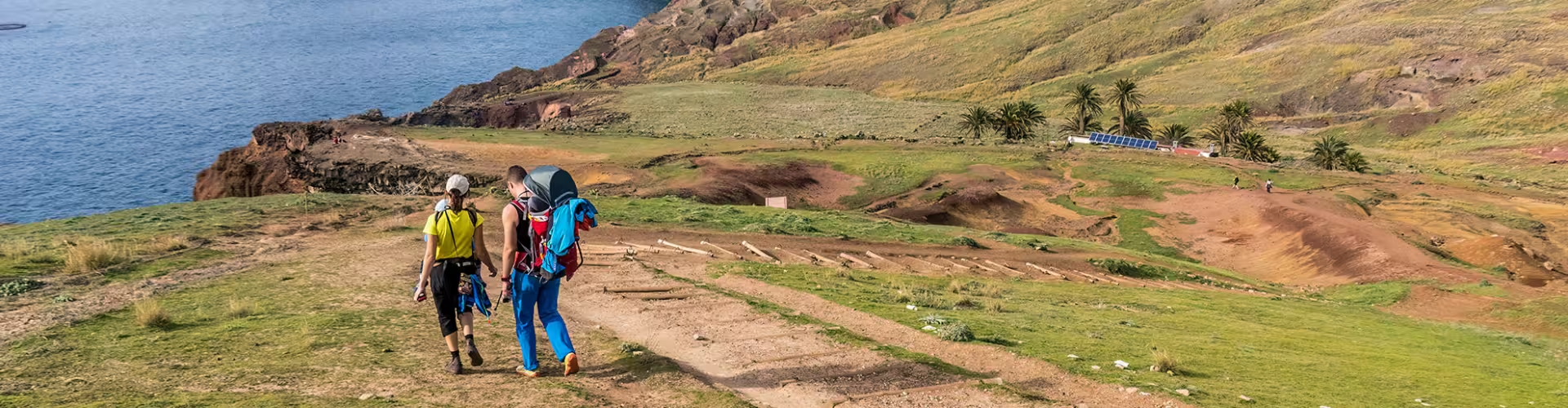
The call of the ocean has inspired travelers for centuries, making coastal exploration one of the most diverse and rewarding categories of modern travel. This pursuit involves more than just visiting a shore; it is a deep immersion into the dynamic boundary where land meets sea. Through a combination of coastal adventures and relaxed seaside travel, explorers can discover the raw power of Atlantic cliffs, the tranquil turquoise waters of tropical archipelagos, or the rugged beauty of Pacific fjords. Whether you are planning a journey around best coastal destinations or seeking a quiet escape to a single shore, the variety of landscapes ensures that every traveler finds their ideal horizon.
Engaging in coastal exploration allows for a multi-sensory experience that combines physical activity with natural wonder. From the spray of the salt air on coastline tours to the intricate ecosystems found within tide pools, these environments offer endless opportunities for discovery. Travelers can choose to navigate these areas via scenic coastal drives, on foot along oceanfront hikes, or from the water itself through sea kayaking. By understanding the rhythms of the tides and the diversity of the terrain, you can craft a coastal itinerary that balances high-energy excitement with moments of profound serenity at the edge of the world.
The history of human interaction with the coast is as old as civilization itself. For millennia, coastlines served as the primary highways for trade, migration, and exploration. Ancient maritime cultures built their entire societies around the sea, developing a sophisticated understanding of navigation and marine ecology. In these early eras, beach exploration was often a matter of survival or strategic advantage, as fishing villages grew into major port cities. The heritage of these early explorers is still visible today in the historic lighthouse tours that dot the world's most dangerous capes, standing as monuments to the enduring effort to safeguard those at sea.
As the industrial age progressed, the coastal environment transitioned from a purely utilitarian space into a realm of recreation and scientific study. The Victorian era saw the birth of the seaside resort, where travelers first began to appreciate the health benefits of sea air and the aesthetic beauty of cliffside walks. This shift paved the way for modern coastal adventures, where the focus moved toward conservation and the appreciation of nature. Today, the heritage of the coast is preserved through protected marine parks and historical sites that tell the story of our long, complex relationship with the ocean. By participating in coastal exploration, modern travelers contribute to this ongoing history, supporting the preservation of both the natural environment and the cultural traditions of the communities that call the shore home.
Opportunities for coastal exploration exist on every continent, ranging from the easily accessible urban beaches of major cities to the most remote hidden beaches reachable only by boat or multi-day trek. Access points are typically found via major coastal highways, which are perfect for scenic coastal drives and coastal road trips.
While many coastal areas are free to the public, specific activities such as whale watching or entry into national marine parks may require paid tickets or permits. Timing is critical, as weather patterns and tides dictate the safety and visibility of many coastal adventures. The best coastal destinations are often best visited during the shoulder seasons to avoid crowds while still enjoying favorable weather.
Many popular coastal regions have invested in accessible infrastructure, including paved cliffside walks and boardwalks that allow for inclusive beach exploration. However, more rugged coastal hiking trails and access to secluded coves may require a high level of mobility. Always check for the availability of ramps, beach wheelchairs, and accessible viewing platforms at sunset viewpoints.
Our priority is to promote sustainable and safe exploration. We emphasize the importance of following local safety guidelines regarding tides and currents, especially when visiting tide pools or engaging in paddleboarding. We also prioritize marine wildlife watching experiences that follow ethical guidelines to ensure minimal impact on the animals and their habitats.
🐋 Whale Watching: Witness the majestic breach of humpbacks or gray whales during their seasonal migrations across the globe.
🏖️ Hidden Beaches: Discover the thrill of finding secluded coves that offer privacy and pristine sands away from the tourist path.
🥾 Coastal Hiking Trails: Challenge yourself with oceanfront hikes that provide panoramic views from dramatic, wind-swept heights.
📸 Coastal Photography: Capture the perfect shot of ancient rock formations, historic lighthouses, and vibrant sunset viewpoints.
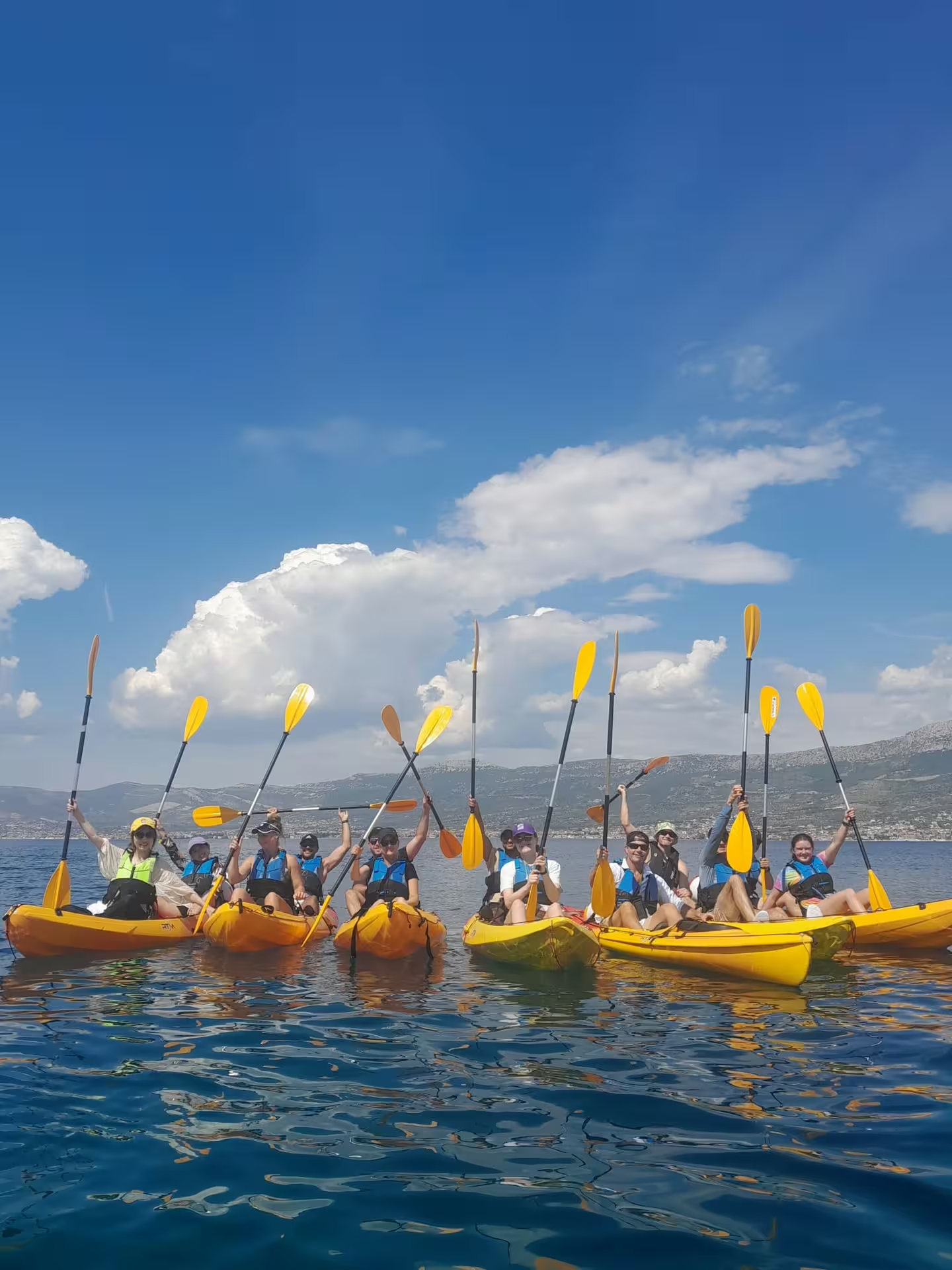
🚣 Sea Kayaking: Paddle through sea caves and along rocky shorelines to see the coast from a unique, water-level perspective.
🐠 Snorkeling Spots: Dive into the clear waters of seaside travel hubs to explore vibrant coral reefs and diverse marine life.
🛖 Fishing Villages: Immerse yourself in the local culture and fresh culinary delights of traditional communities along the shore.
A typical day of coastal exploration begins with the checking of the tide charts. For those interested in beach exploration, the low tide reveals a hidden world of tide pools, where anemones, crabs, and sea stars reside in small, rocky basins. As you move along the shore, the sound of crashing waves provides a constant, rhythmic soundtrack to your journey. Many travelers start their day with one of the many scenic coastal drives, stopping at designated lookouts to appreciate the vastness of the ocean.
As the afternoon progresses, the focus often shifts to more active coastal adventures. You might find yourself on one of the coastal hiking trails, where the elevation gain offers a bird’s eye view of the coastline’s geometry. For those who prefer the water, paddleboarding or sea kayaking provides a peaceful way to explore the inlets and secluded coves. The experience is deeply sensory; the smell of the salt, the feel of the sand, and the sight of marine wildlife watching opportunities like dolphin spotting create a profound connection to the natural world.
The day typically concludes at one of the many iconic sunset viewpoints. Watching the sun dip below the watery horizon is a universal highlight of seaside travel. Whether you are in a remote coastal camping spot or a comfortable oceanfront hotel, the transition from day to night at the coast is a moment of quiet reflection. This is the perfect time to review your coastal photography and plan the next leg of your coastal itinerary.
Preparation is the key to a successful journey through best coastal destinations. First, always carry a physical map or a reliable GPS, as cell service can be spotty along remote scenic coastal drives. Secondly, pay close attention to the tide cycles. Some hidden beaches can become cut off from the main trail during high tide, creating a significant safety risk for the unwary.
When engaging in marine wildlife watching, bring a high-quality pair of binoculars. Whether you are whale watching from a cliff or dolphin spotting from the shore, the extra magnification will significantly enhance your experience. For those interested in coastal camping, always book your sites well in advance and practice "Leave No Trace" principles to protect these fragile environments. Finally, invest in a good pair of waterproof shoes or hiking sandals that can handle both rocky tide pools and sandy paths.
Coastal hubs often cluster multiple attractions within easy reach of the shore.
Maritime Museums: Often located in historic fishing villages, these museums provide context to your coastal exploration.
Local Seafood Markets: The best place to experience the culinary heritage of the region after a day of seaside travel.
Lighthouse Grounds: Many lighthouse tours include surrounding parklands that are perfect for a short picnic or birdwatching.
Art Galleries: Coastal light has always attracted painters; you will often find galleries showcasing local coastal photography and art near popular beaches.
This guide to coastal exploration serves as a foundational resource for travelers seeking to discover the world's most beautiful shores. This content was developed by Toursxplorer.com to facilitate high-quality coastline tours and unforgettable adventures by the sea.
What is the best way to plan a coastal itinerary? The most effective coastal itinerary balances travel time on scenic coastal drives with long stops for beach exploration and physical activities. Always allow for flexibility in your schedule to account for unexpected weather changes or particularly beautiful sunset viewpoints you may discover along the way.
When is the best time for whale watching? The timing for whale watching depends entirely on the specific region and the species of whale you hope to see. Most best coastal destinations have peak seasons during the winter or spring migration periods, so it is essential to research your specific location before you go.
Are coastal hiking trails suitable for beginners? Many coastal hiking trails are flat and easy, such as those along boardwalks or well-maintained cliffside walks. However, some oceanfront hikes involve steep inclines and uneven terrain, so you should always check the difficulty rating and length of the trail before setting out.
What should I bring for a day of beach exploration? For a successful day of coastal exploration, you should bring sun protection, plenty of water, and sturdy footwear for navigating tide pools. If you plan on sea kayaking or paddleboarding, a waterproof dry bag is essential for keeping your snacks and coastal photography gear safe.
How can I find hidden beaches? Finding hidden beaches often requires a bit of research using local maps and travel guides. Many of these secluded coves are only accessible via smaller coastal hiking trails or by water, making them the perfect reward for those willing to go the extra mile in their seaside travel.