The Christmas Market Experience is a seasonal way to explore a city at its most atmospheric, when streets glow with Christmas lights, music drifts through squares, and rows of Christmas stalls turn everyday places into a festive winter playground. It is ideal for winter travel and a quick city break, whether you are planning a family-friendly Christmas, a cozy date night, or a romantic winter getaway built around warm drinks and thoughtful shopping.
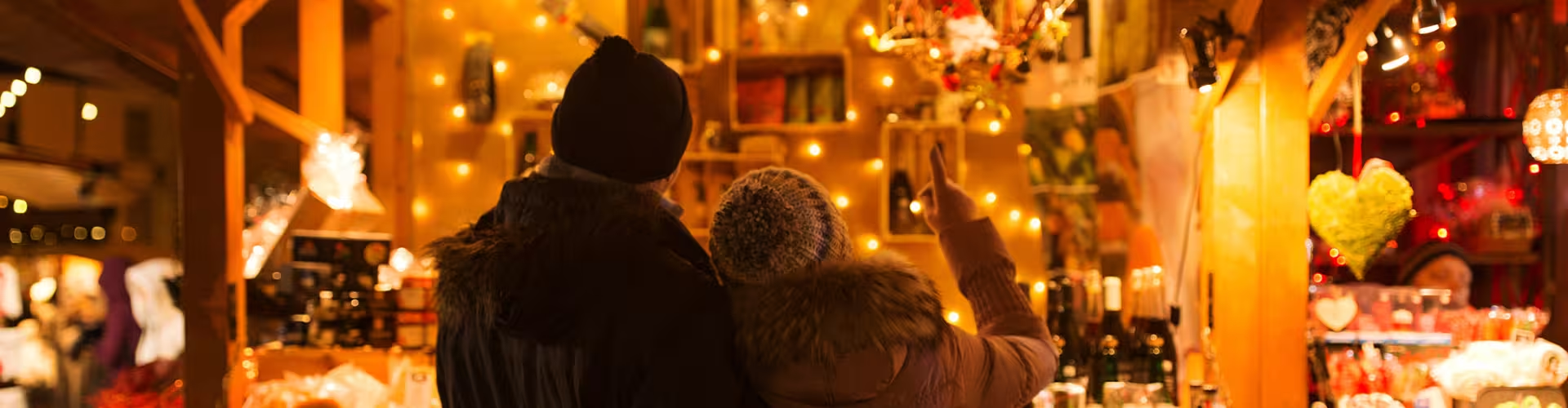
Expect a classic holiday market rhythm, browse, snack, warm up, repeat, with plenty of opportunities for holiday shopping, seasonal photos, and small traditions that make lasting memories.
Location varies by city and season; most markets are set in central squares and pedestrian streets near major transit hubs. Arrive by metro, tram, or bus where possible, since many historic centers limit car access during peak evenings.
Entry is typically free, while food, drinks, and purchases are paid per item. Opening hours vary by season, commonly late morning through evening, with the busiest period after 5 pm; plan 1.5 to 3 hours for a comfortable visit, longer if you want dinner and multiple markets. Reservations are not usually required, but timed entry or capacity controls can appear at the most popular locations on weekends and in the final week before Christmas.
Accessibility varies by venue; many central markets offer step free routes along main aisles, but cobblestones, curb edges, and dense crowds can be challenging. Accessible toilets may be available nearby in public buildings; if mobility is a concern, aim for earlier hours when pathways are clearer.
Prioritize twinkling lights, artisan browsing, and seasonal treats such as glühwein and gingerbread. Keep the focus on winter city breaks, cozy date nights, and family holiday moments.
A typical visit to the Christmas Market Experience starts with a slow loop to get oriented, note where the best food lines are, and spot artisan stalls you want to revisit. Begin with browsing while crowds are lighter, then pause for a warm drink and a sweet, then finish with focused holiday shopping so you are not carrying bags through the busiest aisles. Common pitfalls include arriving too late for a relaxed stroll, underdressing for long outdoor standing, and skipping cashless planning; while many vendors accept cards, small stalls can be cash only, especially at smaller festive market locations.
For most Christmas markets, public transport is the simplest and least stressful option, since central streets may be pedestrianized and taxis can be slow in holiday traffic. If you must drive, use a park and ride or a peripheral garage and walk or transit in, as parking near the main square often fills early. Dress for cold, damp evenings with warm layers and grippy shoes, because winter surfaces can be slick and crowds reduce visibility of uneven paving.
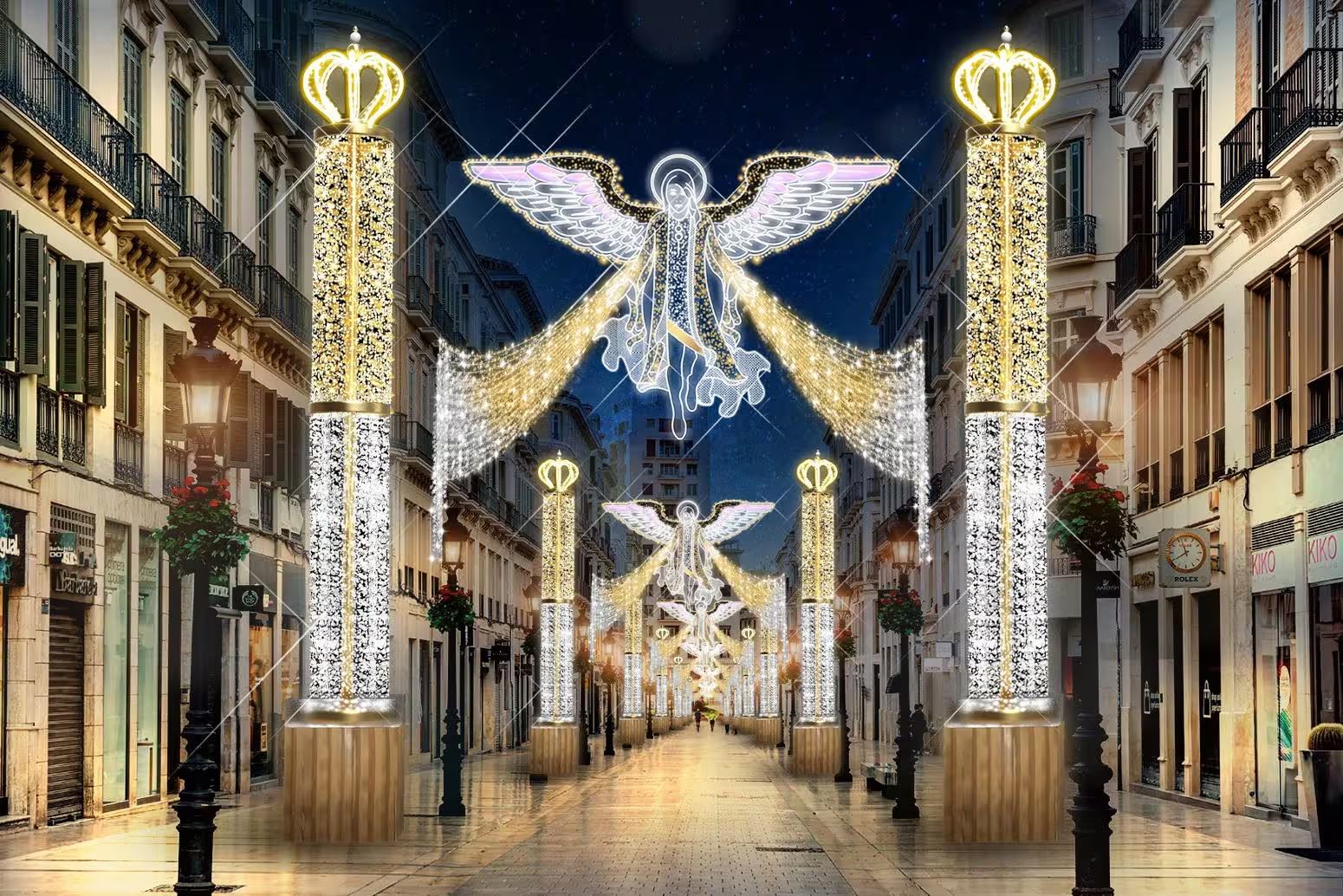
Historic old town streets, Ideal for a post market stroll and extra photo stops under seasonal lighting.
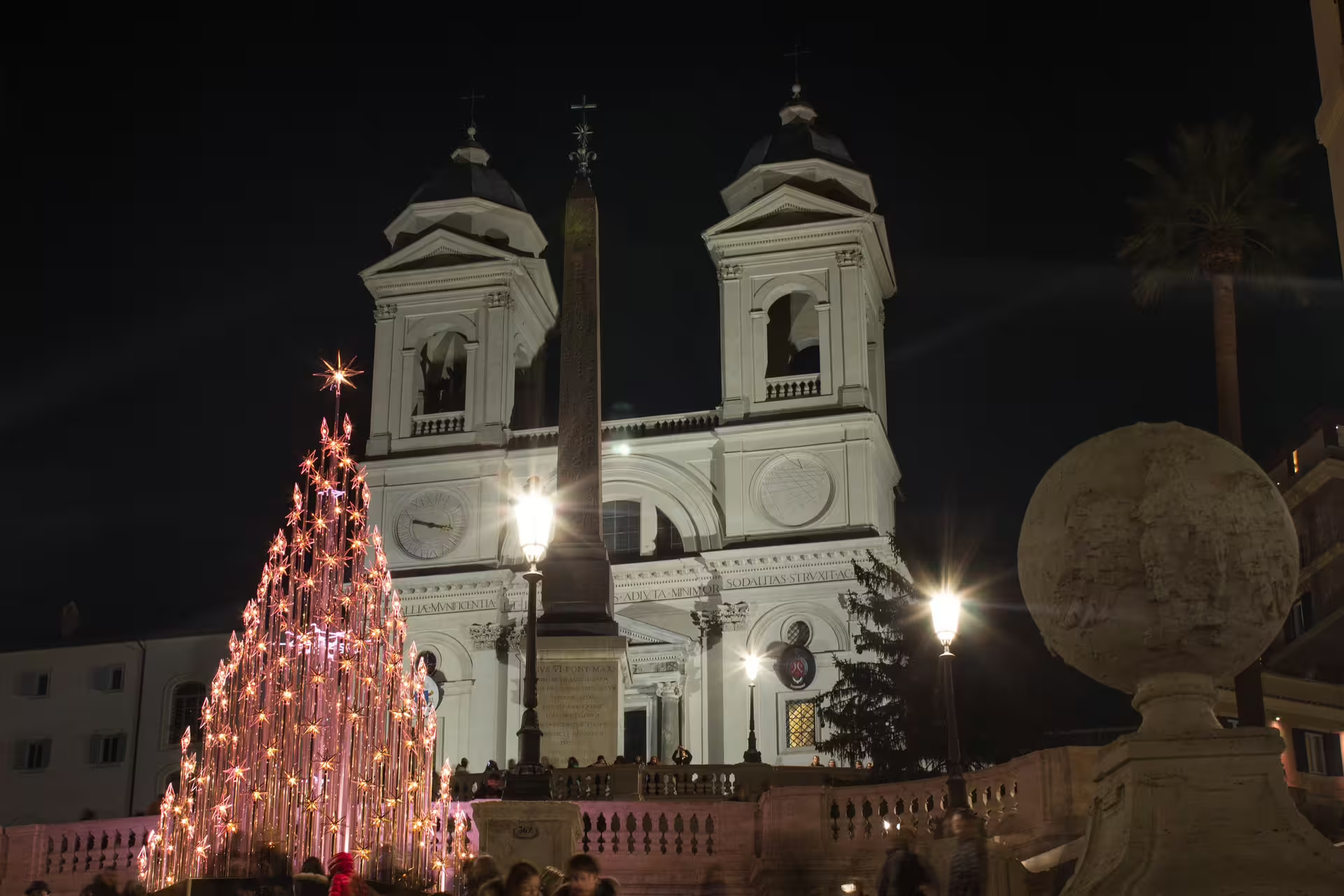
Main cathedral or central church, Often the backdrop for the market and a good landmark for meeting up.
City hall square, Frequently hosts the largest winter market and the most iconic tree display.
Riverside promenade or central park, A calmer route between markets, especially good for families with strollers.
Museum quarter or cultural district, Useful for pairing outdoor browsing with an indoor warm up break.
Most visitors spend 1.5 to 3 hours, depending on how many stalls they browse and whether they stop for food. If you plan to visit multiple markets in one evening, allow extra time for walking and queues.
Entry is usually free, but you pay per item for food, drinks, and purchases. The Christmas Market Experience typically includes browsing stalls, seasonal displays, and any public performances, while tastings and souvenirs are additional.
Most markets are open plan and can be entered from several streets, but the busiest approach is usually via the main square or city hall side. Choose a clear meeting point such as a landmark tree, fountain, or cathedral steps to avoid losing your group.
Markets generally run in light rain and cold, so dress warmly and expect wet ground. For a calmer Christmas Market Experience, arrive earlier in the afternoon, or visit on a weekday, then take warm up breaks in nearby indoor public spaces.
Accessibility varies, but many central markets have step free main routes, with challenges from cobblestones and dense evening crowds. Vendors in major tourist cities often speak basic English, and prices are usually displayed, making ordering straightforward.
Whether you are chasing the charm of European Christmas markets or building your own local tradition, the Christmas Market Experience is at its best when you slow down, follow the lights, and let the aromas guide you from stall to stall. Come for the glow and the music, stay for the small discoveries, a hand carved ornament, a cup of mulled wine, and a warm bag of roasted chestnuts that makes the night feel instantly festive.