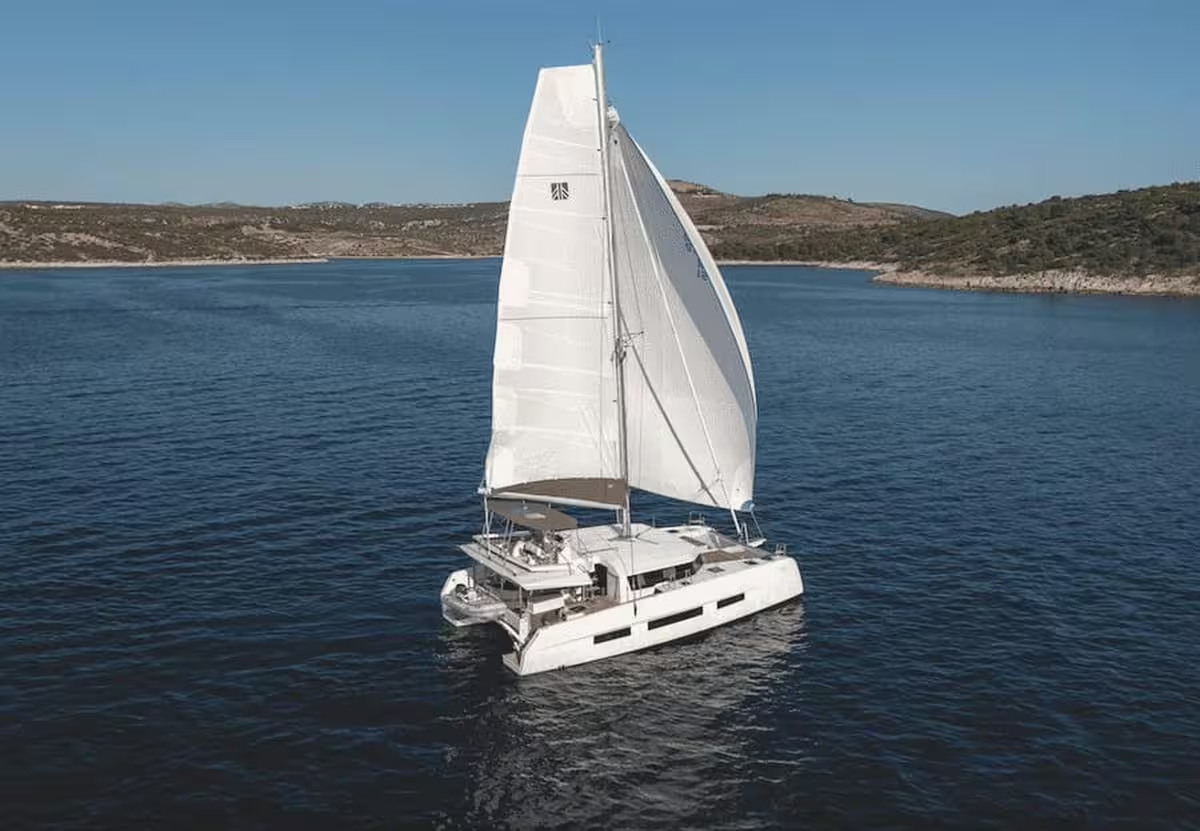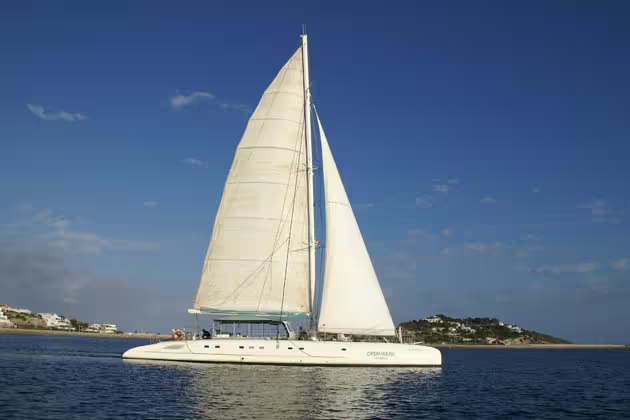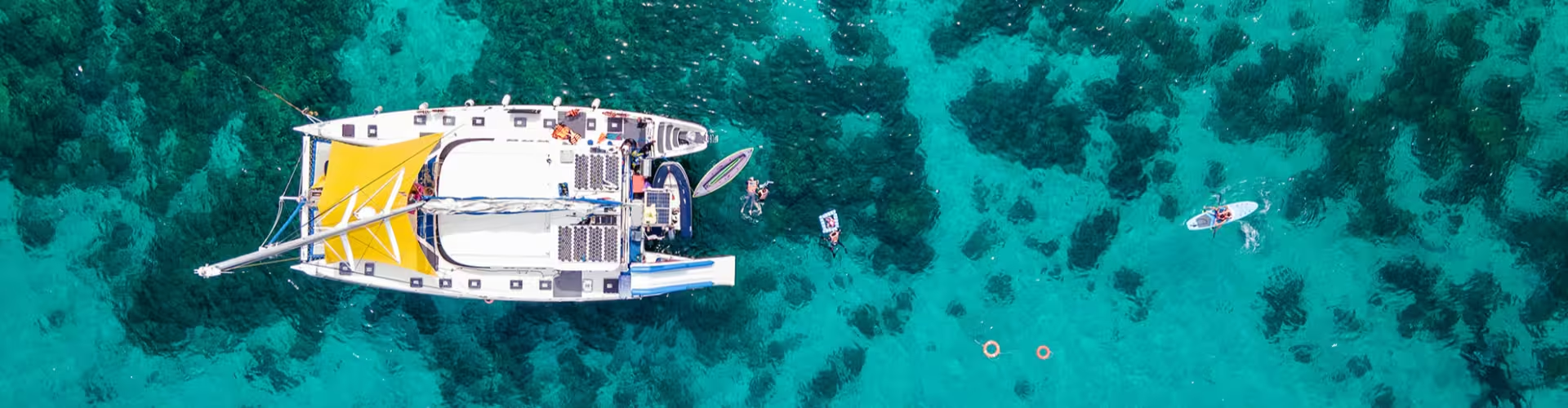
A Catamaran is one of the most comfortable and versatile ways to experience the sea, designed with two parallel hulls that create a notably stable platform on the water. For travelers, that stability translates into smoother rides, wider decks, and more time enjoying panoramic views instead of managing motion. Whether you are planning a relaxed cruise, a swim focused outing, or a special occasion on the water, a Catamaran suits couples, groups, and families who want scenic sailing with practical comfort.
A Catamaran is a twin hull sailing or motor vessel used worldwide for leisure cruising, day trips, and private charters, valued for its calm ride and spacious layout. It is especially popular for snorkeling stops, island hopping routes, and sunset departures because guests can spread out on deck and enjoy uninterrupted sea views. If you want a water experience that feels open, social, and steady underfoot, a Catamaran is a strong choice.
Catamaran experiences typically depart from marinas and harbors, with check in at a dock gate or operator kiosk near the waterfront. Address, public transport options, and parking rules vary by destination and operator; confirm the exact meeting point on your booking details before you travel.
Ticketing is usually paid; pricing varies widely by season, vessel size, and inclusions, with most trips sold as a seat on a shared cruise or as a private booking. Reservations are generally recommended, and often required for peak dates; opening times vary by season and sea conditions. Typical duration ranges from 2 to 6 hours for a catamaran day trip, and 1.5 to 3 hours for a sunset catamaran cruise; arrive 20 to 30 minutes early for check in and safety briefing.
Accessibility depends on the specific vessel and dock infrastructure; some boats have step free boarding via ramps, while others require stairs or a gangway with a slope. Accessible toilets are not guaranteed, and space for mobility aids can be limited; ask in advance about boarding assistance, onboard circulation, and seating options.
Prioritize the smooth, stable feel of a twin hull ride and the value of panoramic sea views from spacious decks. Highlight how catamarans suit snorkeling, island hopping, and sunset outings, with comfort and calm pacing.
A typical Catamaran experience begins with dock check in, followed by a short safety briefing and an easy boarding process, then a calm departure from the marina into open water. Most trips balance cruising time with one or more stops for swimming, snorkeling, or a brief shore visit; the best flow is to choose your preferred deck area early, listen for crew instructions before each stop, and keep essentials in a small bag you can carry hands free. Common pitfalls include underestimating sun exposure on the water, bringing bulky luggage, and assuming all stops allow independent swimming; always follow crew guidance and local conditions.
Departures usually start at a central marina or harbor that is reachable by local buses, trams, or metro lines serving the waterfront; from the nearest stop, expect a 5 to 20 minute walk to the dock gates. If arriving by car, use official marina parking where available and allow extra time for entry barriers and payment machines. Weather and sea state can change quickly; bring a light layer for wind, and expect schedule adjustments or route changes if conditions are unsafe.
Because catamarans commonly depart from waterfront hubs, you can often cluster your time with nearby marina area sights before or after sailing.
Most shared cruises run 2 to 6 hours, while sunset outings are commonly 1.5 to 3 hours. Add extra time for check in, boarding, and returning through the marina.
Inclusions vary by operator, but many trips include the boat, crew, and basic safety equipment. Some packages add snorkel gear, drinks, or a light meal, so check what is listed before you book a Catamaran.
Meeting points are typically at a marina dock gate, a numbered pier, or an operator kiosk near the waterfront. Your confirmation should specify the exact pier and the recommended arrival time, especially for a Catamaran with limited boarding windows.
Operators may adjust the route, change the departure time, or cancel if sea conditions are unsafe. If you are traveling in shoulder seasons, keep your schedule flexible and bring a wind layer even on warm days.
Accessibility depends on the vessel, as some boarding ramps are step free while others require stairs or a steep gangway. Crew commonly speak the local language plus English on tourist routes, but you can request language support when booking.
Beyond standard cruises, a Catamaran supports a wide range of travel styles because the platform is stable, social, and adaptable. If you are comparing options, it helps to understand the most common formats and the terms you will see when browsing listings.
A catamaran tour usually means a shared experience where you book per person and follow a set route, which is ideal for straightforward planning and meeting other travelers. A catamaran charter often refers to hiring the whole boat with crew, giving you more control over timing and stops, which can be helpful for families with young children or groups celebrating. In some destinations you may also see catamaran rental options, which can mean bareboat hire for qualified sailors, or a simple term used by operators even when a skipper is included, so confirm whether crew is provided.
catamaran sailing is a major draw for travelers who want a quieter, more traditional sea experience, especially on routes with consistent breezes. Many boats also use engines for harbor maneuvers or to keep schedules on calm days; this is normal and can make the day more reliable. If sailing time is important to you, ask how often sails are typically raised and whether the itinerary depends on wind.
The defining feature of a twin-hull boat is the wide stance on the water, which reduces rolling and creates more usable deck area. That space is why catamarans are popular for lounging, moving around safely, and setting up gear for swim stops. It also makes them a practical choice for a family catamaran trip, since children and older travelers often feel more secure with stable footing and clear crew supervision.
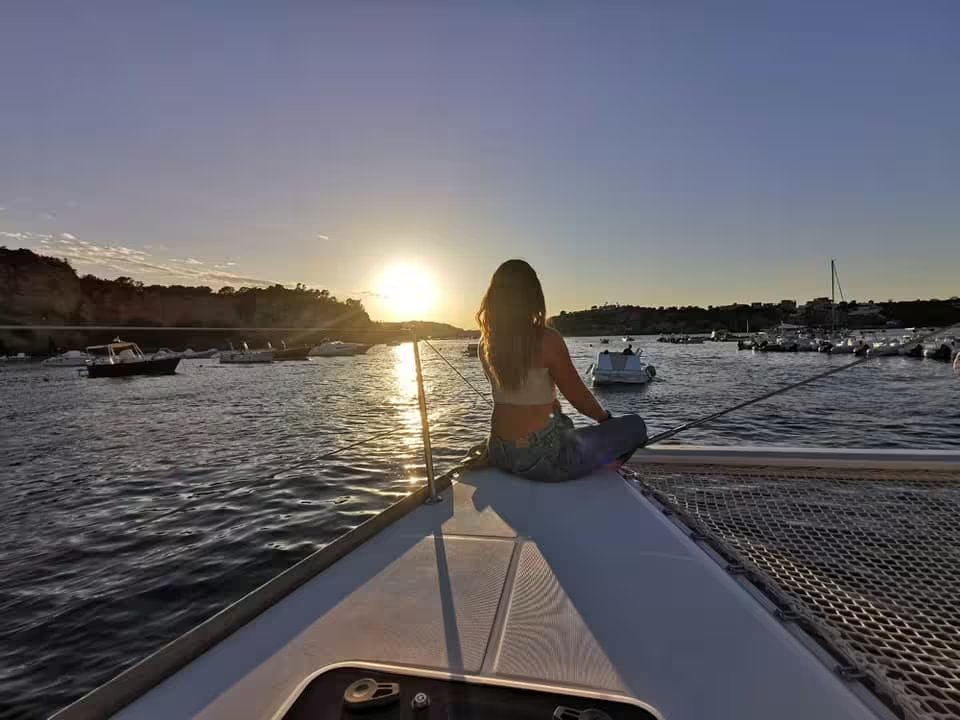
Many travelers book a catamaran excursion specifically for swim time, with ladders for water entry and a comfortable deck for drying off between dips. Others choose a catamaran boat outing for photography and scenery, where the wide bow area often becomes the favorite spot for panoramic views. For special occasions, a catamaran yacht style experience may emphasize comfort, service, and longer routes, while a catamaran adventure may include more active stops and a faster pace.
Even on short trips, pack for sun and spray. Bring reef safe sunscreen where possible, sunglasses with a retainer strap, a light jacket for wind, and non slip sandals; for swim focused trips, add a towel and a dry bag for valuables. If you plan to snorkel, a rash guard can improve comfort, and if you are prone to motion sensitivity, consider a preventive option and choose a central seat where movement is least noticeable.
Listen to crew instructions, especially during departure, anchoring, and swim stops. Keep walkways clear, hold railings when moving, and avoid standing on wet surfaces near the stern. If alcohol is offered, pace yourself, because sun and wind can intensify dehydration, and always prioritize safe swimming rules over independent exploration.
For the calmest conditions, morning departures often bring smoother water, while late afternoon trips offer softer light and the classic sunset atmosphere. If you want the most space, book earlier in the season or choose a weekday, and consider smaller group limits when comparing operators. For a catamaran vacation with multiple outings, vary your itineraries, for example one snorkeling focused trip and one sunset cruise, to avoid repeating the same pacing and maximize the different moods a day on the water can deliver.