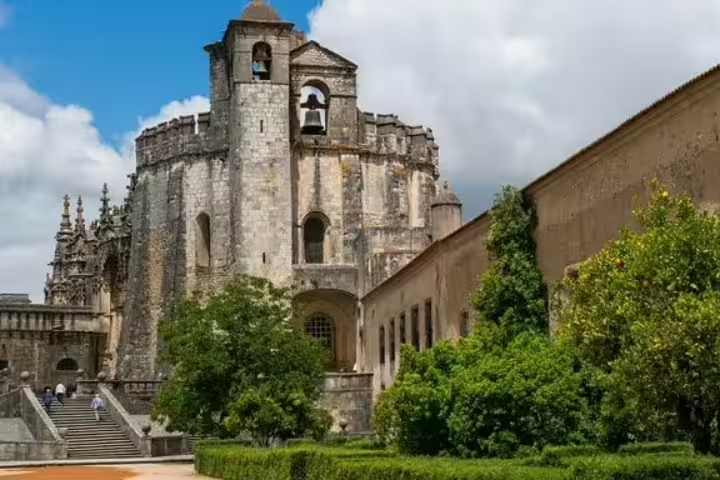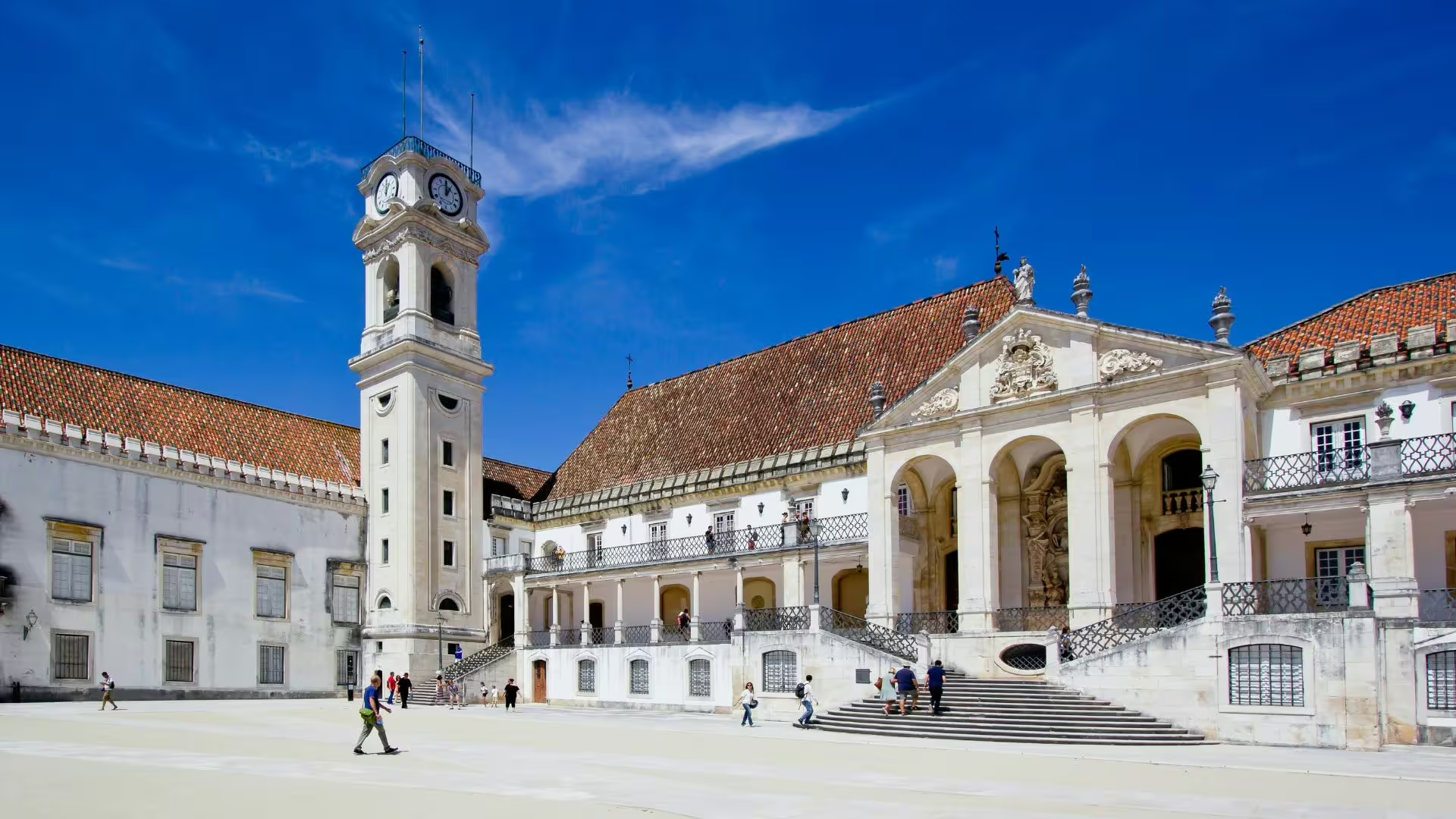





Coimbra is Portugal’s classic university city, set on the Mondego River with a steep, atmospheric old town and a lively lower quarter by the water. It is ideal for travelers who want history you can walk through, viewpoints over tiled rooftops, and a culture shaped by students, libraries, and centuries old traditions.
Coimbra rewards a well paced day with a mix of UNESCO listed heritage, intimate lanes, and panoramic terraces that look across the river valley. Come for the University of Coimbra and its famous library, stay for the easy city rhythm, scenic climbs, and the contrast between the medieval upper town and the riverside streets. It suits couples, solo travelers, and families who enjoy short walks with frequent stops for views and landmarks.
Central Coimbra, Coimbra District, Portugal, spreads between the hilltop Alta area and the Baixa near the Mondego River. The main arrival point is Coimbra B station with quick connections into the center; Coimbra A station is closer to the old town, and local buses link the hilltop sights.
Coimbra is free to explore on foot, while major monuments are paid, especially the University of Coimbra sites such as the Joanina Library and the Royal Palace. Opening hours vary by season and by monument; plan 4 to 8 hours for a strong first visit, or split it across two days if you prefer a slower pace. Reservations are not required for the city itself, but timed entry is often used at the university complex in peak months, so booking ahead is wise for the library.
Expect steep slopes, cobblestones, and stairways in the historic center, with easier movement in the riverside Baixa. Many key sites provide partial accessibility, including ramps or lifts in modern areas and some monuments, plus accessible toilets in larger venues; step free routes are limited in the oldest lanes. If you need step free access, focus on river level walks, viewpoint stops reachable by road, and confirm lift availability for specific interiors before you go.
Emphasize practical decision support, including how to structure a walk between the upper and lower town, when to visit to avoid crowds, and what to expect from hills and stairs. Keep the focus on landmarks and viewpoints, not restaurant recommendations.
A typical visit to Coimbra works best as a top down route: start in the Alta for the University area early, then descend through the historic streets into the Baixa and finish by the river. The most common pitfall is underestimating the hills, so build in breaks, choose comfortable shoes, and consider using a bus or taxi for the initial climb if you want to save energy for interiors. If you plan to see the Joanina Library, schedule that timed entry first, then fill the rest of the morning with nearby courtyards, viewpoints, and shaded lanes.
From Lisbon or Porto, trains commonly arrive at Coimbra B, then a short connection brings you closer to the center, or you can take a taxi for a direct ride to the hilltop university area. Local buses help reduce uphill walking, especially between the Baixa and Alta; they are useful in hot weather when the climb can feel more demanding. In rainy months, stone steps and polished cobbles can be slippery, so slow your pace and choose routes with fewer stairs when possible.
University of Coimbra, the city’s headline complex, best visited early for calmer courtyards and timed interiors.
Coimbra Cathedral, a compact Romanesque landmark close to the upper town lanes.
Santa Cruz Church, near the Baixa, notable for its historic importance and central location.
Mondego River, ideal for an easy promenade and a change of pace after uphill sightseeing.
Botanical Garden of the University of Coimbra, a quieter green break that pairs well with a university focused day.
Q1, How long should I plan to visit Coimbra?
A1, Plan 4 to 8 hours for a first visit, depending on how many monuments you enter and how often you stop for views. If you include the university interiors and want a relaxed pace, a full day in Coimbra is the most comfortable option.
Q2, Do I need tickets, and what is included?
A2, Walking around the city is free, but major attractions require paid tickets, especially the University of Coimbra sites such as the Joanina Library. Tickets typically cover specific interiors and time slots, so check what is included before you buy to avoid missing key rooms.
Q3, Where is the best starting point or main entrance area?
A3, For a classic route, start at the University of Coimbra in the Alta, then walk downhill through the historic center to the Baixa and river. If you arrive by train at Coimbra B, connect into town first, then begin at the top to avoid finishing your day with a long climb.
Q4, What is the best season or time of day to visit?
A4, Spring and early autumn are the most comfortable for walking, with mild temperatures and good light for photos. In summer, visit early to reduce heat and crowds, and plan shaded breaks during midday in Coimbra.
Q5, Is Coimbra accessible for travelers with limited mobility, and are tours available in English?
A5, The historic center has steep streets, cobblestones, and stairs, so mobility can be challenging, although flatter routes exist along the river and in parts of the lower town. English is widely available for tours and visitor information at major sites, but accessibility features vary by monument, so confirm lift or step free access for specific interiors.